
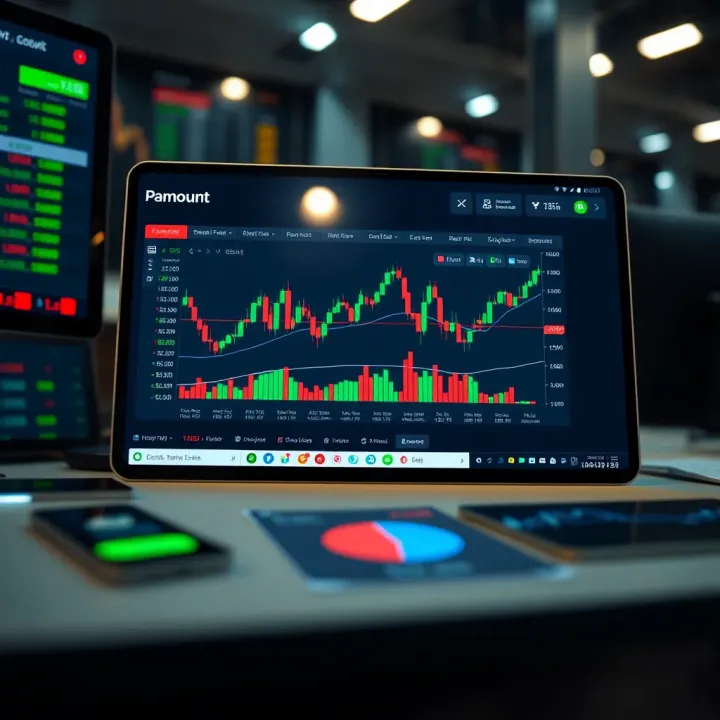
Understanding Demo Trading Accounts
Explore demo trading accounts 📊 to practice risk-free, understand their uses, benefits, and limits. Get ready for real trading with practical insights tailored for Indian traders.
Edited By
Oliver Hayes
Demo trading accounts provide a risk-free environment where you can practise buying and selling shares, commodities, or currencies without using real money. These accounts mimic live market conditions, allowing traders to understand how financial markets work, trial different strategies, and learn platform features before committing actual funds.
Many Indian trading platforms such as Zerodha, Upstox, and Sharekhan offer demo accounts that reflect real-time price movements and order execution, giving you a practical feel for trading. This hands-on experience matters because it helps you build confidence, identify mistakes early, and avoid costly errors once you switch to live trading.
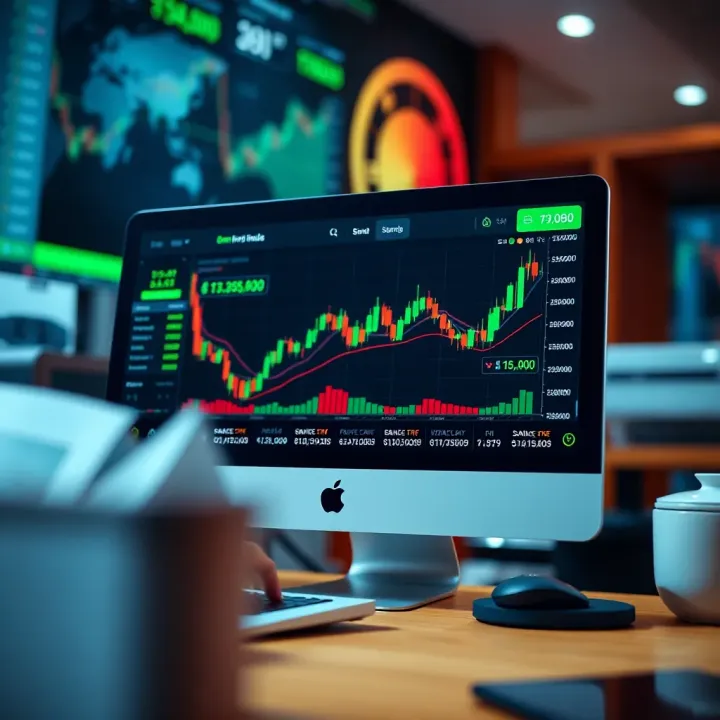
Think of demo accounts as the training ground for trading skills; just like pilots train on simulators before flying real planes, traders should use demos to familiarise themselves with the market environment.
No Financial Risk: You can explore complex market orders and instruments without risking your capital.
Platform Familiarity: Understand how to navigate trading apps, place orders, and monitor positions efficiently.
Strategy Testing: Use virtual funds to try multiple trading strategies under varying market conditions.
Emotional Preparedness: Experience the psychological highs and lows of trading without the pressure of losing money.
Typically, when you open a demo account, the platform credits you with virtual money, often between ₹1 lakh and ₹10 lakh, depending on the broker. You make trades exactly as you would on a live account, but any gains or losses are simulated. This setup helps you grasp order types like limit, stop-loss, and market orders, along with margin trading, if offered.
Treat your demo account as if it were your real investment portfolio to develop discipline.
Track your trades to analyse mistakes and successes.
Switch platforms if the demo interface does not feel intuitive or if pricing data seems delayed.
In summary, starting with a demo trading account is a sensible step for beginners and even experienced traders trying new methods. It bridges the gap between theory and practice, equipping you to handle live markets more effectively.
A demo trading account is a simulated environment where you can practise buying and selling financial assets without risking real money. For beginners exploring stock markets, forex, commodities, or cryptocurrencies, demo accounts offer a hands-on way to understand market dynamics and test strategies safely. Rather than reading theory, you get to experience the rhythm of price changes and order executions exactly as they happen in the real world.
Demo accounts act like a flight simulator for traders, allowing you to build skills before taking off into live markets.
Simply put, a demo trading account provides virtual funds—often ₹1,00,000 or more—in a trading platform that mirrors live market conditions. This setup allows you to execute trades, track price movements, and apply different trading tactics without the worry of losing actual money. The main goal is to make learning risk-free while familiarising yourself with how trading platforms work. For instance, someone new to platforms like Zerodha Kite or Upstox Pro can test order placements, chart analysis tools, and watchlists in the demo mode before committing capital.
Demo accounts are useful for more experienced traders, too. They enable you to pilot new trading strategies or adjust to market changes without financial exposure. This practicality helps avoid costly mistakes that could arise from trial-and-error in real trading.
Though demo and live trading platforms often look identical and offer the same features, the main difference lies in the actual risk and order executions. Demo accounts use virtual money, so profits and losses are simulated. This means you won’t face emotional stress when hitting losses or temptation to go overboard with trades.
However, it's crucial to remember that live market conditions bring factors like slippage, varying liquidity, and execution delays, which demo trading might not fully replicate. For example, during volatile sessions, your real trades could execute at prices slightly different than expected, affecting your profit or loss. Demo accounts often provide ideal conditions without these nuances.
In addition, the absence of real money changes behaviour. Traders might take risks in demo mode that they wouldn’t consider with their own capital. So, while demo trading is indispensable for learning, treating it like a game might build false confidence.
Understanding these distinctions helps prepare for a smooth transition from demo to live trading, ensuring your skills and mindset develop hand in hand with market realities.
Demo trading accounts offer several key features that help traders learn the ropes and gain confidence without risking real money. Understanding these features is essential to use demo accounts effectively before moving to live trading.

Demo accounts provide virtual funds, usually ranging from ₹1,00,000 to ₹10,00,000, enabling you to place trades as if you were using real money. This virtual capital allows you to experience market operations without financial risk. The market environment is simulated to mirror actual trading conditions, including price movements and market volatility. For example, when practising on an NSE trading platform demo, you can test buying shares of Reliance Industries with these virtual funds to see how your chosen strategy plays out.
One major advantage of demo accounts is unrestricted access to the trading platform’s tools and features. You can experiment with charting tools, technical indicators, and order types just like in a live account. Platforms like Zerodha's Kite or Upstox Pro offer demo versions with the same interface and functionalities. This hands-on experience helps you become comfortable navigating complex features, such as placing limit orders or setting stop-loss triggers, before committing your own capital.
While many demo accounts offer real-time market data, some may provide delayed prices, typically lagging by 5 to 15 minutes. Real-time data is crucial for practising timely decisions, especially in intraday trading or high-frequency scenarios. For example, when trading currency pairs or commodities, delays can affect your learning of price trends and execution timing. Therefore, verify whether the demo platform supplies real-time quotes or delayed feeds; platforms like ICICI Direct provide real-time data even on demo accounts. This distinction matters because delayed data might mislead beginners on how the market moves.
Tip: Always confirm the data feed status in your demo account. Practising with real-time data better simulates live conditions and enhances your readiness.
In sum, demo trading accounts combine virtual funds, full platform access, and market data simulations. These elements equip you to build skills under realistic conditions yet without financial exposure. Remember, though, that some limitations, like order execution differences, exist, but understanding the key features will help you maximise your demo experience.
Demo trading accounts offer several clear benefits, especially for traders just stepping into the markets. These accounts simulate real trading without involving actual money, making them a vital tool for reducing risks and building confidence before moving to live trades. Let's explore why demo accounts are a practical choice for beginners and even experienced investors willing to test new strategies.
For newcomers, starting with real money can be daunting due to the potential financial loss involved. Demo accounts remove this worry by providing virtual funds to practise trading. For example, an investor new to the National Stock Exchange (NSE) might begin with ₹5 lakh of virtual capital to explore buying and selling shares like Tata Steel or Reliance Industries without risking actual money. This risk-free environment helps beginners understand market behaviour, how orders execute, and fundamentals like stop-loss and target profits, all without the fear of losing real capital.
Demo trading acts like a financial playground where you learn the ropes without the sting of monetary loss.
Even seasoned traders benefit from demo accounts when trying out fresh strategies or systems. Suppose a trader wants to test a new swing trading approach using technical indicators such as RSI and MACD on the Bombay Stock Exchange (BSE). Running this strategy on a demo platform allows them to monitor performance and tweak parameters based on simulated results. If an algorithmic trading bot is in development, demo accounts offer a safe space to refine it. This practice prevents costly mistakes in live markets, potentially saving lakhs from poor decisions.
Modern trading platforms like Zerodha’s Kite, Upstox Pro, or Groww offer vast features beyond simple buy and sell options, including charting tools, order types, and watchlists. Demo accounts enable traders to navigate these features and understand how platform mechanics, like order execution speed and interface navigation, work. Being comfortable with the platform itself can be a game changer; for instance, knowing how to place a bracket order or set alerts on your chosen app helps prevent panic during volatile markets.
In short, demo accounts are not just a stepping stone but a valuable resource to learn and experiment safely. Whether you are just venturing into trading or looking to sharpen your skills, demo trading offers a practical way to build knowledge and confidence before handling real money.
Demo trading accounts are widely used by beginners to practise trading without risking real money. However, understanding their limitations helps set realistic expectations. These accounts simulate real markets but cannot replicate every aspect of live trading. Ignoring these drawbacks could lead to surprises when switching from demo to actual investing.
One major shortfall of demo accounts is the absence of real emotional pressure. In live trading, the fear of losing money or the thrill of profits often impacts decision-making. Demo trading with virtual funds, by contrast, removes this psychological element. For example, a trader might hold onto a losing position longer in a demo simply because no actual money is at stake. This difference means emotional discipline learnt during demo trading may not fully prepare one for live market stress.
Demo accounts typically do not account for order execution delays or slippage. Slippage happens when market prices move before the trade is executed, causing a different entry or exit price than expected. Real markets, especially in liquid assets like stocks or Forex, often face slippage during high volatility or low liquidity periods. Demo platforms usually fill orders at requested prices instantly, giving an idealised execution experience. For example, during major economic news releases, actual traders might see much different prices than what demo users experience. This gap matters as execution speed and slippage influence overall trading performance.
Success in a demo account can create a false sense of confidence. Traders who do well with virtual money might underestimate the challenges ahead in live trading. This overconfidence is risky because actual trading involves real capital, emotions, and unpredictable market behaviour. For instance, many beginners start live trading expecting similar results as their demo, only to face losses they did not anticipate. Being aware of this tendency helps manage expectations and prudent risk control as one transitions into live markets.
Demo accounts serve as useful learning tools, but recognising their limitations shields traders from unrealistic hopes and potential pitfalls.
In summary, demo trading accounts give practise and familiarity with platforms, yet lack the emotional and execution realities of live trading. Keeping these differences in mind prepares traders better for real market challenges.
Picking the right demo trading account plays a big role in shaping your learning path. Not all demo accounts are created equal—differences in broker reputation, platform features, and access duration can either sharpen your skills or lead to frustration. Taking time to evaluate these factors helps you find an option that truly reflects real-market conditions and suits your trading goals.
It’s wise to choose demo accounts offered by well-established brokers regulated by authorities like SEBI in India. Brokers like Zerodha, ICICI Direct, or Upstox provide demo accounts with reliable market data and smooth platform interfaces. These options usually ensure your simulated experience closely mirrors live trading. On the other hand, unknown or unregulated brokers might offer demo accounts that lack accuracy in price feeds or order execution, leading to misleading practice runs.
Look for demo accounts supporting a broad range of market instruments that you actually plan to trade. For instance, if your interest lies in equities and derivatives trading in NSE and BSE, your demo platform should offer these with real-time charts, tools for technical analysis, and accurate order placement options. Platforms with charting tools, economic calendars, and indicators like MetaTrader 5 or Kite help you practice useful strategies. Avoid demos that limit you to a small selection of instruments or outdated tools, as these won’t prepare you adequately for live markets.
Consider how long you can use a demo account. Some brokers provide unlimited access, while others restrict usage to 7–30 days. A longer duration lets you test strategies under various market conditions without rush. Also, ensure the demo platform is accessible via mobile apps or desktop software based on your convenience. For example, Zerodha’s Kite is a mobile-friendly platform, useful if you want to practise on the go. Limited accessibility or short trial periods can disrupt your learning and give an incomplete picture of trading dynamics.
Choosing a reputable broker with a feature-rich platform and generous demo access gives you the best chance to build confidence before risking real money.
Summing up, focus on broker credibility, platform tools matching your trading style, and enough demo time for practical learning. These factors collectively ensure the demo experience is as close as possible to actual trading, enabling smarter, safer decisions when you move to a live account.
Maximising your learning through demo trading accounts means approaching the practice with clear intent and discipline. These accounts offer a chance to refine your skills without risking money, but that advantage dissipates unless you take the process seriously. By following practical steps, you can transition smoothly to live trading with greater confidence.
Begin by defining specific, achievable goals for your demo trading. For instance, instead of just "making profits," aim to understand how a particular strategy performs under different market conditions or practise managing risk with stop-loss orders. Set targets such as achieving consistent small gains in 20 consecutive trades or limiting losses to a certain percentage. This sharp focus helps prevent aimless clicking and encourages learning discipline, which is critical before risking real capital.
One of the biggest mistakes beginners make is treating demo trades lightly since they involve virtual money. To gain real value, treat demo trades as if your own money is on the line. This mindset influences how carefully you plan trades, manage risk, and follow your strategy. For example, if you decide on a 2% risk per trade for live trading, do the same on demo accounts to build habits that replicate real-world discipline. This approach limits the gap between demo and live trading psychology.
Coming out of every trading session, spend time analysing what worked and what didn’t. Keep a trading journal noting your entry and exit points, reasons for taking trades, and emotional state during decisions. If a trade failed because of poor timing or emotional bias, write it down to avoid repetition. For example, if you exited a position early due to fear during volatile moves, acknowledging this helps you stay calm next time. Continuous review turns mistakes into valuable lessons and fine-tunes your strategy before risking real funds.
Demo trading isn’t just about learning trading mechanics; it's about cultivating trading discipline and mindset. Hands-on practice combined with regular reflection prepares you more effectively for live market challenges.
By setting clear goals, acting responsibly as if money is at stake, and reviewing every step critically, you'll use your demo trading period to build a solid foundation. This preparation builds confidence, improves decision-making, and ultimately increases chances of success in the live trading arena.
Explore demo trading accounts 📊 to practice risk-free, understand their uses, benefits, and limits. Get ready for real trading with practical insights tailored for Indian traders.
📈 Learn how demo accounts let you practise trading strategies risk-free, set up easily, avoid common mistakes & transition smoothly to live markets with confidence.
Learn free demo trading—a risk-free way to practise Indian market moves using realistic simulations. Master platforms, get pro tips, and prepare for live trading 📈💡

💹 Understand demo trade accounts to practise trading without risk. Learn platform choice, maximise benefits & smoothly switch to live markets confidently in India.
Based on 15 reviews