

Understanding QX Trading: A Complete Guide
Explore QX Trading essentials 📊, from market strategies to platform tech & regulations. Perfect guide for traders in India aiming to expand skills 🚀.
Edited By
David Sinclair
A demo account in trading provides a practice ground for both beginners and experienced traders to hone their skills without risking real money. These accounts simulate real market conditions, allowing users to execute trades, test strategies, and explore different financial instruments such as stocks, commodities, or currencies.
Unlike live trading accounts, demo accounts use virtual funds, so losses are purely on paper. Still, they give an excellent feel for the market's ups and downs and the broker platforms’ functionalities. For example, if you want to try swing trading Indian stocks on the NSE or currency trading via the Forex market, a demo account lets you experiment without fearing loss.
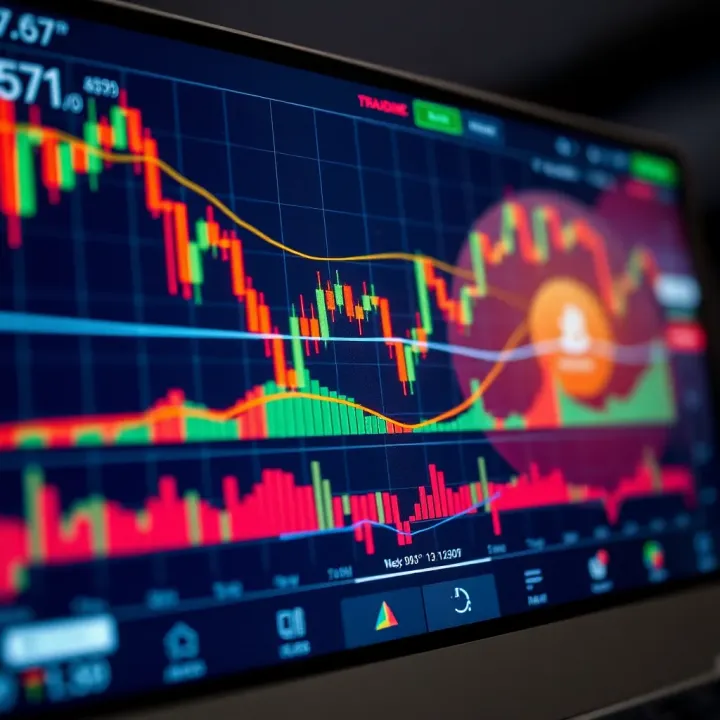
Using a demo account is crucial for familiarising yourself with trading tools and understanding market behaviour before committing hard-earned money.
Most brokers offer demo accounts that mirror live trading platforms, complete with updated market data. These accounts usually come preloaded with virtual money, say ₹5 lakh, to simulate real trading. You can place orders, see how leverage affects margins, and track gains or losses. This live simulation helps traders adjust and improve strategies.
Testing New Strategies: Before applying complex algorithms or technical indicators in live trading, traders can use demo accounts to see their impact.
Platform Familiarisation: Switching brokers or trading software is smoother when practiced on a demo setup first.
Understanding Market Orders: From stop-loss to limit orders, beginners can learn how these work and their risks.
While helpful, demo accounts can't mimic the emotional pressure of real trading or liquidity issues during volatile times. Often, beginners trade more boldly without real stakes, which can distort learning.
To sum up, a demo account is your training ground. It prepares you technically and mentally for live markets, greatly reducing avoidable risks. Starting with it makes your trading journey steadier and smarter.
A demo account for trading is a practice tool that simulates real trading conditions without involving actual money. It allows traders to familiarise themselves with the trading platform, test strategies, and learn market behaviour in a risk-free setting. For anyone stepping into the markets—whether a fresh investor or an experienced analyst looking to try a new approach—a demo account offers a valuable playground to build skills without financial pressure.
A demo account replicates the live market environment closely, but all trades happen in a simulated space. For example, if you buy 100 shares of a stock on a demo platform, the system processes this action as if it’s real, using actual market data flows and price movements. This gives you hands-on experience without risking your capital. So, when you eventually trade live, you’re already familiar with the layout, terms, and market reactions.
Demo accounts come preloaded with virtual money, often ranging from ₹1 lakh to ₹10 lakh depending on the platform. These virtual funds enable you to place trades of any size that the platform allows. The key benefit is you can experiment with different investment sizes, risk levels, and strategies freely. For instance, if you’re curious about trading in derivatives or commodities but hesitant to risk ₹20,000 or more, demo funds let you explore these trades safely before moving to real money.
Most demo accounts provide real-time or near real-time market data, including prices, charts, and order book details. This access ensures your simulated trades reflect actual market conditions at that moment. For example, if the Nifty 50 index moves due to breaking news, your demo account updates accordingly, allowing you to practise reacting under realistic conditions. This real-time data connection helps you understand volatility, liquidity, and timing, which are critical for effective trading.
The clearest difference is demo accounts carry no risk of losing real money. While this is comforting, it can also distort your decision-making since the emotional weight of actual losses is missing. It’s like training with a flight simulator; you can practice emergency landings, but the adrenaline and fear in real situations will differ. So, success on demo may not translate immediately to live trading without emotional discipline.
Trade execution on demo platforms often happens instantly or with minimal delay, unlike live markets where latency, slippage, and liquidity gaps can affect order fulfilment. Also, the emotional impact of burning ₹5,000 in real money versus virtual funds differs sharply. These differences mean your live trading experience can be more complex, requiring adjustments in strategy and patience. Learning to handle this emotional side is vital for longevity in markets.
Demo accounts have constraints like limited asset availability, shortened expiry periods, or simplified order types. For example, some platforms might not offer futures or options in demo mode, even if they do in live trading. Additionally, technical glitches or restrictions can prevent you from experiencing all market conditions fully. Understanding these limitations helps set reasonable expectations and encourages supplementing demo trading with further market study or mentorship.
Practising with a demo account is essential, but recognising its limits and managing emotional and technical differences prepares you for successful live trading.
Using a demo account before stepping into live trading is more than just a trial run; it helps traders of all levels grasp the essentials without risking their hard-earned money. This practice lets you familiarise yourself with the platform, understand the instruments you’ll trade, test strategies safely, and build the emotional discipline needed for actual markets.

Familiarity with trading platforms is vital. Each broker’s platform—whether it’s Zerodha’s Kite, Upstox Pro, or others—has unique features, navigation styles, and tools. A demo account allows you to explore these interfaces freely. For instance, you can place various order types, set stop-loss or take-profit levels, and discover how charting tools work without pressure. This hands-on interaction ensures you're not fumbling when real money is involved.
Understanding financial instruments is another important aspect. Trading isn’t limited to stocks; it includes futures, options, currencies, and commodities, each with its own behaviour and risk profile. A demo account lets you try out trading in multiple instruments, helping you spot how they react to market movements. For example, you might notice gold futures behave differently than shares in Reliance Industries, guiding your choice according to risk appetite and market knowledge.
Demo accounts provide a risk-free environment for evaluating profitability of strategies. Say you follow a moving average crossover technique; you can apply it repeatedly during various market phases using virtual funds to check if it yields consistent profits. This helps identify strategies that work in practice rather than theory.
Adjusting risk parameters is equally easy without real money on the line. You might experiment with different stop-loss percentages or position sizes to see what suits your style. For instance, tightening a stop-loss may reduce losses but increase chances of getting stopped out quickly. A demo account helps balance such trade-offs before real capital is involved.
Managing emotions during live trading can be tough. Fear, greed, or panic often cloud judgement and push traders into costly errors. Demo trading lets you experience these moments safely, teaching you how to keep calm and stick to your plan. Over time, this reduces emotional reactions when actual money is at stake.
Practising decision-making is another benefit. Markets move fast, and hesitation can mean missed opportunities or losses. With a demo account, you can train yourself to quickly analyse data, react to price changes, and execute trades confidently. This muscle memory is crucial for success once you start live trading.
Starting with a demo account isn’t just helpful; it’s essential for anyone serious about trading. It lays the foundation to navigate live markets more confidently and with fewer surprises.
Opening a demo trading account is your first practical step towards understanding real market operations without risking actual funds. This hands-on experience helps bridge the theory and practice gap, allowing you to familiarise yourself with trading tools and market behaviour.
Starting safely means choosing a broker regulated by the Securities and Exchange Board of India (SEBI). SEBI-regulated brokers must follow strict rules that protect traders, such as clear disclosures and secure transactions. For instance, reputed brokers like Zerodha or Upstox offer demo accounts under SEBI oversight, ensuring your practice environment is reliable and trustworthy. This safeguards you from shady platforms that might misuse your data or offer unrealistic trading scenarios.
A clean, easy-to-navigate interface can make your demo trading smoother and less confusing. Indian brokers typically offer web-based or app platforms with interactive charts, order types, and learning tools tailored for beginners. When selecting a demo account, check which financial instruments the platform provides—from Sensex and Nifty stocks to currency futures or even commodities like gold and crude oil. Practising on a platform that mirrors the live market assets you’re interested in helps you prepare better.
Setting up a demo account usually requires filling out a registration form with basic details like your name, email, and mobile number. Unlike live accounts, you often don’t need extensive KYC (know your customer) verification here, making it faster to start trading. For example, platforms like Angel One let you open demo accounts instantly after simple verification to let you practise right away.
Most brokers offer their demo accounts through downloadable software or browser-based platforms. Some apps like Kite by Zerodha are mobile-friendly, allowing you to trade on the go. Depending on your convenience, you can download the platform or start straight from your browser. This flexibility means you can dive into trading simulations from anywhere, even outside your home.
Demo accounts provide you with virtual funds—usually between ₹1 lakh to ₹10 lakh—to execute trades. This allocation lets you experiment with buy and sell orders without the fear of losing actual money. You can reset virtual capital anytime, which lets you try out various strategies repeatedly. For example, testing aggressive intraday strategies or long-term investments becomes manageable without financial pressure.
The demo platform lets you place different types of orders—market, limit, stop-loss—which are essential when you move to live trading. By practising order execution, you learn how trades enter the market and get filled in real-time. For instance, you’ll figure out how stop-loss orders help limit losses during volatile market swings.
Charts and indicators are the trader’s compass, and practising with these tools on a demo account is invaluable. Most platforms allow you to apply indicators like Moving Averages, RSI, or Bollinger Bands to spot trends and possible reversal points. Getting comfortable with these technical tools without risking money boosts your decision-making skills once you trade live.
Keeping a detailed record of your trades and outcomes on the demo platform helps identify what works and what doesn’t. You can analyse winning ratios, risk-reward balance, and emotional patterns. Many platforms offer performance reports or trade journals, which help in building better habits and refining your strategies before risking your capital.
Taking demo trading seriously by choosing the right platform and using its features well builds a solid foundation. This practice reduces surprises and helps you approach live trading with realistic expectations and confidence.
Demo accounts provide a safe space to practise trading without risking real money, but they come with certain drawbacks that traders must keep in mind. Understanding common misconceptions and limitations can prevent bad habits and unrealistic expectations when moving to live trading.
One major difference between demo and live trading is the emotional involvement. On a demo account, losing virtual money rarely triggers the frustration or fear that real losses cause. This disconnect means traders may take risks they wouldn’t consider in live markets. For instance, repeatedly trying high-risk trades without fear of losing actual funds can lead to overconfidence and poor decision-making once real money is involved.
Without real stakes, demo trading often leads to underestimating risks. Traders may ignore factors like slippage, sudden market moves, or emotional stress during volatile sessions. For example, someone practicing on a demo might hold a losing position too long, assuming they have all the time in the world, whereas in live trading losses quickly impact available capital. This skewed perception can set false assumptions about strategies’ effectiveness.
Actual order execution in live trading can differ markedly from demo platforms. Demo accounts often execute trades instantly at quoted prices, but live markets face latency delays and slippage—where the trade executes at a different price due to market movement. Consider a trader placing a market order during a volatile session: slippage might cause the executed price to be unfavourable, impacting profits.
Demo accounts usually simulate ideal liquidity conditions where orders execute smoothly regardless of size. In reality, liquidity can dry up, especially for less popular stocks or during market stress. This can cause order partial fills or cancellations. For traders active in Indian markets, this matters during events like budget announcements or monsoon crop reports, when sudden volatility affects liquidity.
Demo accounts may not offer full functionality of their live counterparts. Features such as advanced order types, algorithmic trading, or real-time news feeds might be limited or absent. This can restrict the ability to test complex strategies fully. For example, in India’s NSE platform demos, some brokers limit access to instant margin calculators or options Greeks, impacting options traders.
Many brokers set time limits on demo accounts, ranging from a few days to a couple of months. This forces traders to transition to live accounts before mastering their strategies. Short expiry limits can disrupt learning flow, while longer ones might encourage complacency.
Grasping these limitations helps traders use demo accounts wisely—learning without developing false confidence or ignoring practical market challenges.
Understanding these nuances makes the demo phase more productive and better prepares traders for the realities of live trading in India’s financial markets.
Moving from a demo account to live trading is a significant step that marks the transition from theory to real-world practice. It bridges the gap between learning in a risk-free environment and engaging in markets where actual money is at stake. Making this move requires careful evaluation of your readiness and understanding of market dynamics, risk management, and operational details like account types and funding.
Achieving consistent results on demo is a key indicator of readiness. If your trading strategy yields steady profits over a substantial period, say several weeks or months on the demo platform, it shows your approach might work in live conditions. For instance, a trader who consistently makes positive returns using technical indicators through a demo account gains confidence that the method may hold up despite market noise.
However, consistent success alone isn’t enough. Demo accounts lack emotional pressure since no real money is involved. That’s why you should also consider your ability to stick to your trading plan and control emotions before going live.
Understanding market conditions is equally important. Markets change frequently, influenced by economic announcements, global events, and liquidity shifts. Demo accounts often simulate market data but may not fully capture the sudden price swings or delays in order execution common in live markets. Before transitioning, familiarize yourself with real-time news, volatility spikes, and how different asset classes react to market events. This helps you anticipate risks that may not appear in a controlled demo environment.
Setting realistic expectations is crucial when you move to live trading. Unlike demo trading where losses don’t hurt, live markets can impact your capital, making emotional control essential. Expect some losses; they are a normal part of trading. For example, if you start live trading thinking every trade will succeed, disappointment and rash decisions can follow quick losses. Knowing that setbacks happen will help you stay disciplined.
Implementing risk management rules protects your capital while maintaining longevity in trading. Use stop-loss orders to limit losses on each trade and avoid risking more than 1-2% of your total trading capital per position. For instance, if you have ₹1 lakh, you shouldn't risk more than ₹1,000-2,000 on any single trade. This keeps losses manageable and prevents significant drawdowns.
Understanding minimum deposit requirements is practical before funding your live account. Many Indian brokers require a minimum deposit ranging from ₹5,000 to ₹25,000 to activate live trading. Choose a broker that aligns with your budget and trading plans. For example, beginners may prefer brokers with lower initial deposits to reduce financial strain.
Payment methods in India have become user-friendly, offering convenience and security. Most brokers accept net banking, UPI apps like PhonePe and Google Pay, credit/debit cards, and even wallet payments. Some also support direct transfers via NEFT or RTGS. Selecting a payment option that you find reliable and quick will simplify account funding and enable faster trading initiation.
Transitioning from demo to live trading requires more than just skill—it demands readiness to manage real money, emotions, and operational details effectively, ensuring a smoother shift into actual markets.
Explore QX Trading essentials 📊, from market strategies to platform tech & regulations. Perfect guide for traders in India aiming to expand skills 🚀.

Explore Qutex trading 🚀, a decentralized crypto exchange prioritizing security 🔐, speed ⚡, and smart mechanics. Learn its benefits, risks, and role in crypto markets 🔄.

Discover how Quotex trading signals work in India 🇮🇳, their upsides, risks, and tech behind them. Get practical tips for smarter trading profits 📈.
📘 Explore the Quotex trading course: its structure, key features, and practical tips. Ideal for Indian traders wanting to sharpen skills and boost trading success.
Based on 13 reviews