
Understanding Trading Demo Accounts: A Practical Guide
📈 Learn how demo accounts let you practise trading strategies risk-free, set up easily, avoid common mistakes & transition smoothly to live markets with confidence.
Edited By
Emily Harrison
Demo trading accounts serve as a risk-free environment where traders can test their strategies without losing real money. For Indian traders stepping into equity markets, commodities, or forex, these accounts offer a practical space to learn market dynamics and understand platform features.
Unlike live accounts, demo accounts provide virtual funds, often ₹10 lakh or more, allowing you to simulate buying and selling activities as if you were trading with actual capital. This simulation includes access to real-time or slightly delayed market data to reflect current market movements.
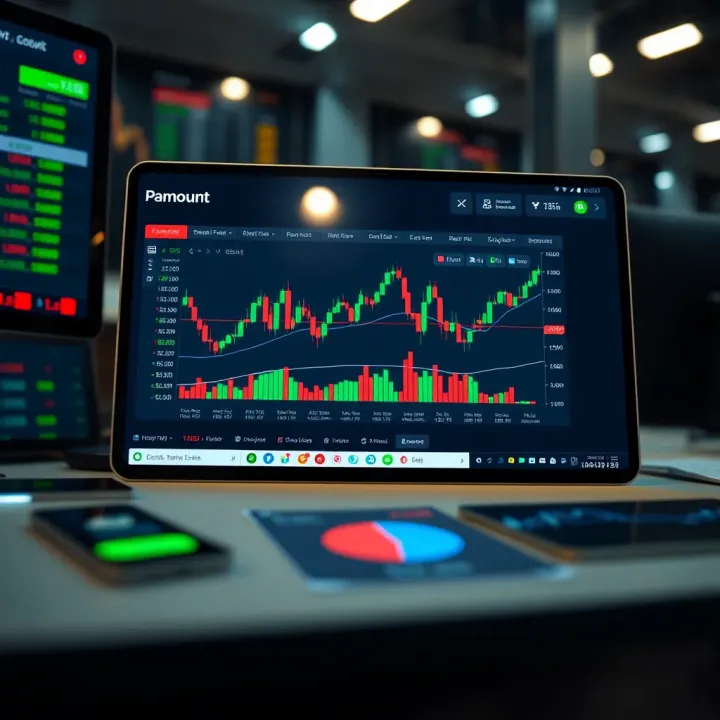
Using a demo account helps you grasp how orders are placed, how market fluctuations affect your portfolio, and how to navigate brokerage platforms like Zerodha Kite, Upstox Pro, or Angel Broking. It's particularly useful when you want to try out advanced features such as stop-loss orders, bracket orders, or futures and options trading without any financial pressure.
Practising with a demo account builds confidence and reduces errors that could be costly in live trading.
In addition, demo accounts enable you to test algorithmic trading strategies or backtest ideas using historical data tools available on some platforms.
Some key features to watch out for in demo accounts include:
The amount of virtual capital allocated
Access to various asset classes (stocks, derivatives, commodities)
Realistic order execution and market conditions
Time limits on the usage of the demo account
Despite these advantages, remember demo trading cannot replicate certain real-market conditions such as slippage, emotional stress, and liquidity constraints. Therefore, transitioning gradually to live trading with smaller investments is advisable.
In summary, demo trading accounts offer a practical starting point, especially for new traders or anyone exploring a new trading platform. They provide hands-on experience with no financial risk, helping traders make informed decisions once they move to actual market operations.
Demo trading accounts are essential tools for traders and investors who want to learn and practice trading without risking actual money. They provide a sandbox environment reflecting real market conditions, allowing users to familiarise themselves with platforms, trading instruments, and market dynamics. In India, where equity markets and derivative trading are rapidly growing, demo accounts offer a practical way to prepare before entering the live arena.
A demo trading account means you get virtual cash to trade stocks, commodities, or currencies without financial risk. For instance, if you’re curious about how to buy shares on NSE or BSE, a demo account lets you place orders, track prices, and manage portfolios using simulated funds, say ₹5 lakh. This hands-on experience helps understand basics like order types, margin usage, or stop-loss without facing losses in real life.
These accounts mimic real-time market moves and price fluctuations. So, the prices you see and trade on demo platforms follow the live NSE or BSE rates closely, though occasionally with slight delays. Simulating market conditions means you learn how dynamic market events—like a corporate earnings announcement or RBI policy statement—impact prices. This practical exposure builds familiarity with market behaviour, preparing you better for live trading.
When you open a demo account with brokers like Zerodha, Upstox, or Angel Broking, they allocate a fixed amount of virtual capital—commonly ₹1 lakh to ₹10 lakh. This ‘fund’ lets you enter trades, test strategies, or even experiment with margin trading based on virtual buying power. Since no real money is involved, it’s an effective tool for trial-and-error, helping beginners grasp financial limits and position sizes practically.
Demo accounts usually provide full access to the trading platform’s interface, just like live accounts. You get candlestick charts, technical indicators, order book views, and market depth data, just as you would when trading live on platforms such as Kite or Upstox Pro. This access is valuable because mastering chart reading or indicator interpretation takes practice, which these accounts facilitate without any risk.
Placing orders in demo accounts works exactly as in live markets—market and limit orders, stop loss, bracket orders, and so on. However, execution is simulated: the platform ‘executes’ your trades based on current market prices, though no actual buying or selling of securities happens. This simulation includes fake confirmations and portfolio updates, helping users understand order flow, slippage possibilities, and trade management before committing real funds.
Demo trading accounts provide a realistic, risk-free environment to build trading skills, understand platforms, and prepare for real market challenges without financial pressure.

By engaging with demo accounts actively, traders build confidence and avoid costly mistakes when transitioning to live trading. They remain a vital step for both freshers and seasoned investors exploring new strategies or asset classes.
Demo trading accounts offer several practical advantages, especially for traders and investors keen to sharpen their skills without risking real money. These accounts simulate real market conditions using virtual funds, enabling users to explore various aspects of trading safely. Understanding these benefits can help traders approach live markets with better preparedness and confidence.
Understanding trading platforms is a key first step for beginners. Demo accounts provide hands-on experience with trading software, which often includes complex charts, multiple order types, and analytical tools. For instance, an Indian trader using a demo account on Zerodha’s Kite platform can try placing orders, monitor price movements, and explore features like market depth without financial risk. This practical exposure reduces the learning curve when switching to live trading.
Familiarising with market terminologies is equally essential. Terms like ‘stop loss’, ‘limit order’, ‘margin’, or ‘derivatives’ can be confusing to newcomers. Demo accounts allow users to encounter these terms in context, helping cement their understanding. Imagine seeing how a ‘stop-loss order’ protects investments during volatile sessions on the NSE; experiencing this firsthand clarifies concepts beyond textbook definitions.
Backtesting new approaches is about applying strategies on simulated data to check their viability. Demo accounts let traders try out complex setups—such as intraday scalping or swing trades on indices like Nifty 50—without risking capital. This testing is invaluable for Indian traders experimenting with strategies tied to market timings or leveraging margin limits set by exchanges.
Refining techniques without financial loss lets traders iterate and improve. For example, someone testing the impact of news events on stock prices can adjust entry and exit points repeatedly within a demo account. If the strategy doesn't work, no real money is lost. This iterative learning builds a robust approach ready for live markets.
Developing trading routine is vital. A demo account encourages users to follow consistent trading hours and make disciplined decisions, mimicking real market behaviour. For a trader based in Bengaluru, practising during Indian market hours builds habits aligned with regional sessions and liquidity patterns.
Improving decision-making skills comes from seeing the consequences of trades, even if virtual. Demo trading tests how well one reacts to quick market changes or how emotions like fear and greed can influence choices. Over time, this practice improves mental resilience, key to handling real money trades in volatile Indian markets.
A demo trading account is more than just practice—it’s a sandbox for understanding, experimenting, and preparing to trade confidently in India’s dynamic stock markets.
For Indian traders, demo trading accounts serve as a vital learning tool to navigate the complexities of financial markets. Using demo accounts effectively can bridge the gap between theory and practice, allowing traders to hone their skills without risking real money. This hands-on practice helps familiarise with Indian market peculiarities, such as the NSE and BSE indices, trading hours, and the regulatory environment overseen by SEBI.
Platforms popular in India like Zerodha’s Kite, Upstox, and Angel Broking offer demo accounts tailored to the Indian stock market. These platforms simulate trading with live data from Indian exchanges, providing the same instruments—stocks, futures, options, and mutual funds—that you'd find in real trading. Choosing a platform familiar to you can make the transition to live trading smoother.
When selecting a platform, check for important features such as real-time data feeds, ease of placing various order types (limit, stop-loss, market), and access to technical indicators and charts. Usability matters; a cluttered or slow interface may frustrate and discourage new traders. Ideally, the demo platform should replicate the actual trading environment closely, ensuring minimal surprises after going live.
Allocating virtual capital similar to your intended real capital helps build practical money management skills. For example, if you plan to invest ₹2 lakh initially, set the demo account's virtual balance around that figure. This forces realistic decision-making about position sizing and risk exposure rather than reckless experimentation with unlimited fake funds.
Aligning demo trades with Indian market hours and indices is also essential. The NSE operates from 9:15 am to 3:30 pm IST, and key indices like Nifty 50 and Sensex define market sentiment. Practising within these timings prepares you for the real market rhythm, including volatility spikes at market open and close. Avoid trading outside active hours to keep the experience relevant.
Keep a detailed journal recording every trade's entry and exit points, position size, rationale, and outcome. Several Indian traders use spreadsheet tools or note apps for this purpose. Reviewing your trades regularly helps identify recurring patterns of errors and successes.
Don't just focus on profits or losses but analyse why a trade failed or succeeded. For instance, was a stop-loss ignored? Did you react emotionally to a sudden market movement? Learning from these insights refines your strategy and improves discipline over time.
Treat demo trading as a rehearsal—only by consistently tracking and reviewing your performance will you develop the habits necessary for success in live markets.
Demo trading accounts offer a safe environment to learn and practise trading, but they come with notable limitations that every trader must understand. Recognising these drawbacks helps set realistic expectations and prepares traders better for live market challenges.
One of the main distinctions between demo and live trading is the absence of real emotional stress in the former. When trading virtual money, you don't feel the anxiety or excitement that comes with risking your own capital. This psychological gap can lead to behaviour that differs significantly from live trading. For example, a trader might place larger or more frequent trades in a demo account because there is no fear of loss. However, once real money is involved, hesitation or rash decisions influenced by emotions such as fear or greed often emerge.
Demo accounts usually provide near-instant order execution without the delays or slippage encountered in live markets. Slippage refers to the difference between the expected price of a trade and the price at which it actually executes, often seen during volatile conditions. Real trading involves network latency, market liquidity changes, and broker execution delays, which can affect trade outcomes. For instance, a sell order entered during a sudden market drop might execute at a worse price than displayed. Demo platforms rarely replicate this unpredictability, potentially giving beginners a false sense of smooth trading.
The risk-free nature of demo trading can build overconfidence in new traders, leading them to underestimate the complexities of real trading. Because they don’t lose actual money, novice traders might ignore position sizing or risk management principles while practising. This overconfidence can cause problems when transitioning to live trading, as the stakes are higher. A trader who had a winning streak on the demo might be unprepared for inevitable losses in a live setting, facing emotional discomfort and potential financial harm.
Demo accounts often exclude transaction costs like brokerage fees, taxes, or other charges that affect real trading profits and losses. For instance, in Indian markets, brokerage fees, Securities Transaction Tax (STT), Goods and Services Tax (GST), and stamp duty are part of each trade's cost. Ignoring these expenses while practising demo trading means the net profitability seen there can be much different from real scenarios. Failing to factor these in risks creating an unrealistic idea of potential returns and can impact planning and strategy once live trading begins.
Understanding these limitations allows traders to use demo accounts wisely—for skill-building rather than exact prediction of live performance.
A balanced approach involves combining demo practice with education on real-market factors. This way, Indian traders can prepare better for the emotional and financial realities ahead.
Moving from a demo account to live trading is a significant step that requires careful preparation. It’s not just about applying your knowledge but also managing real money and real emotions. The transition bridges the gap between theory and practice, helping you see how your strategies perform under market pressure and unexpected conditions.
Setting risk tolerance levels is essential before starting live trading. This means understanding how much loss you can comfortably accept without affecting your decision-making. For example, if you have a monthly capital of ₹1 lakh for trading, setting a daily or single-trade loss limit of 1-2% helps you avoid significant setbacks early on. This discipline ensures that losses remain manageable and do not impact your overall financial stability.
Deciding initial capital investment needs a realistic approach. Just because demo accounts provide virtual funds does not mean you should jump in with large sums initially. Many experienced traders advise starting with a small amount, say ₹10,000 to ₹20,000, depending on your total investment capacity. This amount should be money you are willing to risk while learning live trading dynamics. It helps you gain experience without causing financial strain.
Using incremental position sizes is a practical method to build confidence and reduce risk. Instead of placing substantial bets from your first day, start tiny and gradually increase your trade size as you get comfortable. For example, if you open positions worth ₹1,000 initially, slowly raise it to ₹2,000 and ₹5,000 as you develop your skills. This approach reduces the shock of losing larger sums and helps you adapt steadily.
Managing emotional responses to real gains and losses is often overlooked but crucial during this phase. Unlike demo trading, real money trades trigger genuine feelings like fear or greed. When you make your first profit or loss, you might be tempted to change strategy impulsively or take undue risks. It’s important to stay calm and stick to your plan. Journalling your emotions and reflecting on decisions after each session can help maintain balanced psychology.
Using demo accounts for ongoing strategy testing remains valuable even after live trading begins. Markets evolve, and a strategy that worked well last month might underperform now. Demo accounts serve as a safe environment to try new ideas or technical tools without risking capital. For example, if you learn about a new indicator like the Relative Strength Index (RSI), you can test it in demo mode before applying it live.
Reviewing live trades for improvement is a critical habit for any trader. Keeping a detailed trade diary helps identify patterns in your wins and losses. Reviewing these trades regularly can highlight mistakes or areas where emotional control slipped. This continuous feedback loop promotes learning and adjustment, key to improving results over time.
Transitioning to live trading is a process where mental preparation, financial planning, and constant learning come together. Taking measured steps ensures a smoother shift and increases chances of sustainable success.
📈 Learn how demo accounts let you practise trading strategies risk-free, set up easily, avoid common mistakes & transition smoothly to live markets with confidence.
Explore how demo trading apps help Indian beginners practise stock market investing risk-free 📈, discover key features, and learn to shift safely to live trading ₹.
Learn free demo trading—a risk-free way to practise Indian market moves using realistic simulations. Master platforms, get pro tips, and prepare for live trading 📈💡

Explore QX Trading essentials 📊, from market strategies to platform tech & regulations. Perfect guide for traders in India aiming to expand skills 🚀.
Based on 5 reviews