
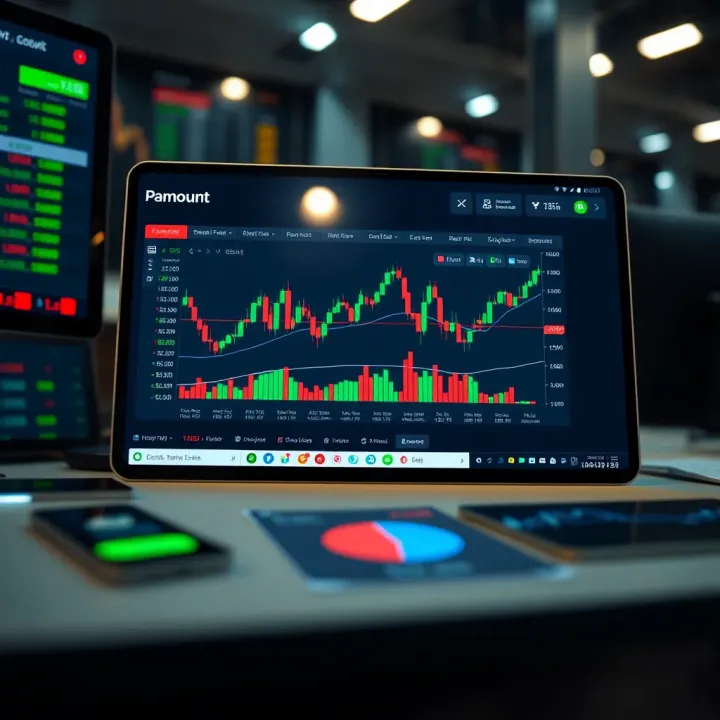
Understanding Demo Trading Accounts
Explore demo trading accounts 📊 to practice risk-free, understand their uses, benefits, and limits. Get ready for real trading with practical insights tailored for Indian traders.
Edited By
William Foster
A demo trade account acts like a sandbox for traders where they can practise buying and selling stocks and other financial instruments without using real money. It copies the actual market conditions, allowing you to try strategies and understand market behaviour without risking your capital.
This tool is particularly useful for Indian traders who want to build confidence before entering live markets like NSE or BSE. For instance, you can test how intraday trading works during volatile periods without bearing losses. The demo account simulates order execution speed, price movements, and even margin requirements, closely mirroring live trading.
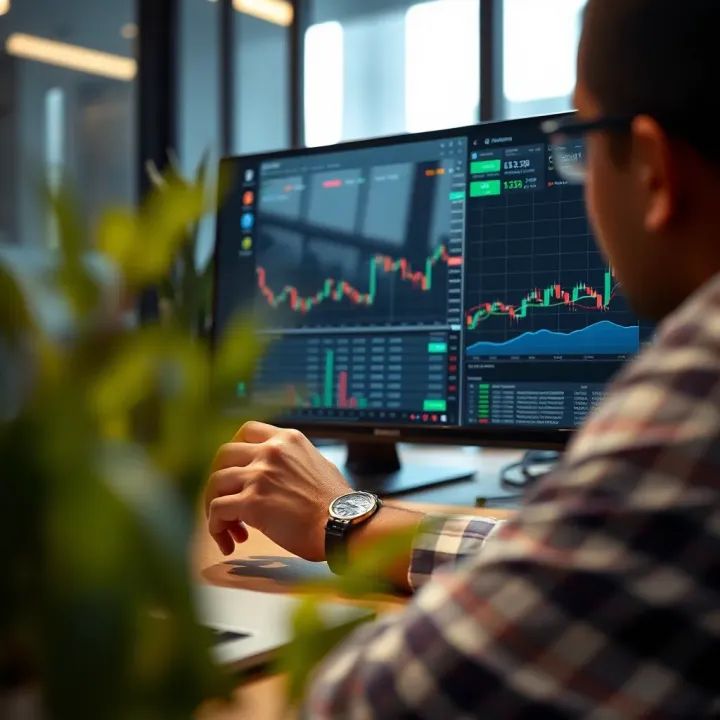
Many newcomers jump straight into live trading and end up losing money because they have not experienced the market dynamics firsthand. A demo account helps bridge this gap by providing hands-on practice.
Here are some benefits of using a demo trading account:
Risk-free learning: Make mistakes and learn without financial impact.
Platform familiarisation: Explore features and tools offered by brokers like Zerodha or Upstox.
Strategy testing: Try swing trading, options strategies, or commodity trades to see what works.
Market timing: Understand how orders execute and how slippage can affect trades.
Demo trading platforms usually offer virtual funds, often ₹1,00,000 or more, for practice. You can place limit orders, stop-loss orders, and watch how your portfolio changes with market fluctuations. This prepares you for the psychological challenges of live markets, where emotions often affect decisions.
Keep in mind, though, that demo trading lacks the emotional intensity tied to real money. So, while it is a great starting point, it should be complemented with a cautious approach when moving to live trading.
In the next section, we will look at practical tips to maximise the benefit of your demo trading experience and ease the transition to live market trading in India.
A demo trade account serves as a training ground for traders who want to learn the ropes without exposing themselves to real financial risks. It lets you practise buying and selling shares, commodities, or currencies using virtual money, replicating the experience of actual trading. This practice option is especially beneficial for beginners in India or for experienced traders testing out new tactics.
At its core, a demo trade account is a simulated trading platform provided by brokers or exchanges where no real money changes hands. You get a fixed amount of virtual funds — say ₹10 lakh or $10,000 — to experiment with different trades. This setup helps you understand how markets operate, how orders work, and how your decisions impact profits or losses, without worrying about financial fallout.
Imagine you want to try intraday trading but are unsure about timing or market reactions. Using a demo account, you can practise placing buy and sell orders at different points in the day. This trial-and-error approach builds skills and confidence before committing real money.
Demo accounts offer live market data, meaning you see price movements as they happen on the real exchange. However, the trades you make use virtual money, not actual funds. This allows realistic practice while eliminating risk.
The platforms mimic order types such as market orders, limit orders, stop-loss, and more. For example, you can place a stop-loss order to automatically sell a stock if it falls below a certain price, testing how such strategies perform in changing markets.
However, some aspects differ. Since no real money is in play, emotional responses like fear or greed aren’t fully replicated. Also, demo accounts may not capture slippage or order execution delays due to liquidity constraints, which occur in real markets.
Still, they remain invaluable tools for familiarising with market operations and testing ideas without investing ₹1.
Demo accounts provide a safe space to learn trading mechanics, test strategies, and develop market intuition with zero financial risk, making them a must for every trader starting out or refining skills.
Choosing to start with a demo trade account lets you face the markets well-prepared, reducing costly mistakes when you move to live trading.
A demo trade account offers several practical advantages for traders, especially for those starting in the markets or looking to sharpen their skills without risking actual money. Its primary benefit lies in creating a safe space to learn and experiment, cushioning newcomers from the harsh realities of losses while they build confidence.
Demo accounts provide a risk-free environment where traders can familiarise themselves with market operations and platform functionalities without financial exposure. For example, a new trader in Mumbai might use a demo account to understand placing orders on the NSE (National Stock Exchange) before investing ₹50,000 in real stocks. This hands-on experience reduces the chance of costly mistakes due to unfamiliarity with trading apps or concepts like stop-loss and limit orders.
Having no pressure of real money loss allows users to focus on learning rather than stressing over every move. It’s especially valuable for freshers who want to grasp the nuances of candlestick charts, technical indicators like RSI (Relative Strength Index), or fundamental analysis without any financial risk.
Demo trade accounts mirror live market conditions using virtual funds, which helps traders follow real-time price movements and market volatility. This exposure is crucial for understanding how events, such as RBI policy announcements or corporate earnings releases, impact asset prices. For instance, a trader can observe how a sudden market dip affects their portfolio in the demo before facing the possibility of real losses.

This feature also allows traders to gauge the impact of spreads, slippage, and execution delays under different market scenarios. They can better understand transaction costs' role and volatility's effects on their trading decisions without actual financial consequences.
Using a demo trade account offers an affordable and practical way to experience market behaviour first-hand without risking your capital.
Before deploying real money, it’s wise to test various trading strategies in a demo account. A trader might try day trading, swing trading, or options strategies to see which suits their risk tolerance and financial goals. With virtual funds to backtest strategies, users can identify what works and what doesn’t under diverse market conditions.
Moreover, demo accounts let users explore platform tools such as charting software, automated trading bots, or option calculators without hesitation. For example, Indian traders can experiment with algorithms on Zerodha’s Kite platform’s demo before automating their real account.
This trial phase helps minimise losses in live trading by ironing out strategy flaws and improving decision-making. It also boosts confidence, as traders enter the market with tested, well-understood approaches rather than relying on guesswork.
In sum, a demo trade account acts as both teacher and playground, allowing traders to safely learn, understand, and test without risking their hard-earned money. This practical experience lays a solid foundation for success in the live markets.
Opening and using a demo trade account is your first step toward hands-on trading practice without financial risk. This section lays out simple steps to get started and highlights what to expect once your demo account is active. Understanding these details helps you build confidence and test strategies well before risking real money.
Creating a demo account on popular trading platforms like Zerodha, Upstox, or Angel Broking is straightforward. First, visit the official website or their trading app and look for the 'Demo Account' or 'Practice Account' sign-up option. You'll need to provide basic details such as your name, email, and phone number, but no financial information is required. Once registered, you receive virtual funds to begin trading immediately.
Most platforms instantly activate the demo account, allowing you to explore live market data, place orders, and monitor your portfolio just like in a real account. For instance, on Zerodha Kite’s demo setup, you get a virtual balance of ₹10 lakh to simulate buying shares, commodities, or currencies. This hands-on approach is perfect for beginners wanting to understand order types and market timing.
Demo accounts often replicate key real-world features but with virtual money. You'll find market charts, technical indicators, and trading tools similar to live accounts. Places to note include:
Virtual balance: Typically between ₹5 lakh to ₹10 lakh, giving ample room to try different trade sizes.
Live market prices: Real-time streaming of prices helps users experience actual market conditions.
Order types: Limit, market, stop-loss, and other order options to practise executing trades.
Portfolio tracking: Monitor how your simulated investments perform over time.
These elements help traders test diverse strategies, learn stock behaviours, and get comfortable with the trading platform interface.
While demo accounts are invaluable, they come with certain constraints. Remember:
No real emotions: Trading with virtual money lacks the psychological pressure of risking actual capital, which can affect decision-making in live markets.
Delayed or less liquid order execution: Demo accounts might not always mimic order book depth or slippage occurring in live trading.
Limited product access: Some platforms restrict complex derivatives or margin trading features in demo mode.
Keep these limits in mind—demo trading prepares you for the mechanics but can't fully simulate the market’s emotional or liquidity challenges.
Using your demo account actively despite these drawbacks will still sharpen your skills and make the transition to live trading smoother and less daunting.
Selecting the right demo trading platform is a key step for traders aiming to build confidence without risking money. The platform you use shapes your entire learning experience — from how quickly you grasp market operations to how well trial runs mimic live scenarios. Picking a platform with the right mix of features helps you practise effectively and switch to real trading smoothly.
The user interface (UI) should feel intuitive and uncluttered. If navigating charts or order types becomes a hassle, you risk losing focus on strategy learning. For instance, Zerodha's Kite platform offers a clean layout with easy-to-read charts, ideal for beginners. Meanwhile, platforms like Upstox also feature straightforward navigation, which helps new traders stay engaged.
Market access is another important factor. Ensure the demo platform provides the instruments you want to trade, be it equities on NSE and BSE, commodities like gold or crude oil, or currencies. Platforms offering a wide range let you explore various segments without switching accounts constantly. For example, Angel Broking's app supports equity, commodity, and currency demo trades, which broadens your practice scope.
The availability of advanced tools such as technical indicators, risk management functions, and simulator settings enhance your learning. Popular tools include RSI or MACD indicators, stop loss and target profit features, and access to live market news inside the demo account. A platform like ICICI Direct equips demo users with robust tools that resemble live trading, giving you a feel for real-time decision making.
Several demo trading platforms cater well to Indian traders. Zerodha Kite, Upstox, Angel Broking, ICICI Direct, and Sharekhan are among the familiar names. Each offers a demo account that lets you practise without depositing money. Zerodha’s paper trading and Angel Broking’s 3-in-1 facility are quite popular due to their reliability and realistic market data.
Some platforms go beyond just simulating trades; they provide educational content, daily market analysis, and live webinars, all bundled within their demo service. This added value helps traders not only apply but also deepen their market understanding.
Choosing a platform aligned with your trading goals makes all the difference. A beginner focused on intraday equity trading may prefer a platform with crisp, fast charts and simple order types. Conversely, someone interested in derivatives or commodities should pick a platform featuring those markets clearly.
Using a platform that closely mimics actual trading conditions, with real-time data and comprehensive tools, prepares you better for live trading. It also helps in building discipline since you learn to manage orders against real price movements and market volatility.
Also, the platform’s mobile app experience matters a lot today. Many Indian traders rely on smartphones, so a responsive, user-friendly app encourages regular practice. Platforms like Zerodha and Upstox have apps widely appreciated for their performance and design.
In summary, the platform you choose should fit your style, provide access to desired markets, and offer tools that support your trading plan. Spending a bit of time evaluating these factors before jumping into demo trading can save frustration and sharpen your practice effectively.
A demo trade account serves as more than just a playground for beginners. It is a vital tool for practising discipline, refining strategies, and learning from mistakes, crucial steps before risking actual money. Without making the most of a demo account, traders might develop habits that fail in real markets or miss out on optimising techniques that could yield better returns.
Trading discipline is the backbone of consistent profitability. In a demo account, you should treat trades just like real ones—set entry and exit points, use stop-loss orders, and avoid impulsive decisions. For instance, imagine a trader who often jumps into trades based on rumours; practising patience and sticking to a plan in the demo environment helps build the muscle memory required during live sessions. The key is to replicate emotional control and timing you will need when real money is involved.
A demo account lets you test various strategies without risking capital. Suppose you develop a momentum-based approach for Nifty futures. You can open positions to see how it performs under different market conditions without the stress of losses. Use the trial phase to adjust stop-loss levels, re-entry points, and profit targets. It’s wise to keep notes on what works and what doesn’t. Only once a strategy consistently shows positive outcomes over weeks or months in the demo environment should you consider applying it with real funds.
Keeping a trading journal during demo sessions is crucial. Note down every trade’s reason, outcome, and what you could do better. For example, you might realise you exit too early or hold losing trades for too long. Regular review helps identify such patterns and prevents repeating the same errors in live markets. Technology aids this process—many trading platforms provide analytics tools to assess your win rate, average profit, and risk metrics, helping you make data-driven improvements.
Real learning from a demo account lies in honest reflection and disciplined practice, not just in trading with virtual money.
By taking demo trading seriously—practising disciplined habits, continually tweaking your strategies, and analysing your performance—you prepare yourself much better for the realities of live trading. Ultimately, this approach increases the chances of success when you finally start trading with real capital.
Moving from a demo trade account to live trading marks a critical stage in a trader's journey. While demo accounts provide a safe environment to learn, the live market introduces real stakes, emotions, and risks. Understanding when and how to make this shift can significantly impact your success.
One clear sign you are ready for live trading is consistent profitability in your demo account over a sustained period, say three to six months. If you've successfully tested various strategies and maintained discipline without deviating from your trading plan, it's a good indicator. Another signal is your ability to handle losses calmly during simulation without chasing losses or making impulsive decisions. For example, if over 100 demo trades, your win-to-loss ratio and net returns meet your personalised objectives, it's worth considering the switch.
Live trading triggers emotions like fear, greed, and anxiety, which demo accounts cannot fully replicate due to the absence of real money risk. It's normal to feel nervous initially, but controlling emotions is vital. Setting realistic expectations helps; losses are part of trading, and overnight wealth should not be anticipated. For instance, a trader might see a successful demo streak as a guarantee of profits, but live markets can be unpredictable. Developing mental resilience through methods like journalling trades and reviewing both wins and losses can keep your mindset balanced.
Emotional discipline separates a steady trader from a reckless one. Practise managing your feelings as much as your strategies.
Begin live trading with small amounts that you can afford to lose. This reduces psychological pressure and allows you to adapt gradually. For Indians, platforms like Zerodha and Upstox offer easy access to start with minimal capital. For example, you could allocate ₹10,000 initially to test your approach in the live market. Small stakes enable you to focus on learning the nuances of order execution, slippage, and real-time decision-making without risking significant capital. Gradually increase your investment as your confidence and skills improve.
Transitioning well involves patience, preparation, and a practical approach. Demo accounts lay the groundwork, but real markets sharpen your acumen. Approach this phase thoughtfully to build a sustainable trading career.
Explore demo trading accounts 📊 to practice risk-free, understand their uses, benefits, and limits. Get ready for real trading with practical insights tailored for Indian traders.
📈 Learn how demo accounts let you practise trading strategies risk-free, set up easily, avoid common mistakes & transition smoothly to live markets with confidence.
Explore Qutex Trade 📈, its trading mechanics, features, and benefits in India 🇮🇳. Learn about security, regulations, risks, and how to get started safely.
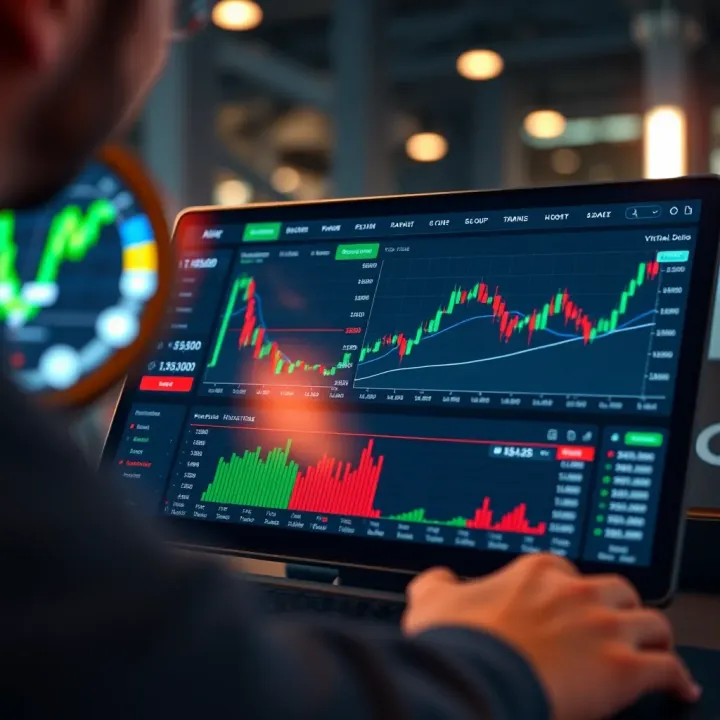
Explore how demo trading apps help Indian beginners practise stock market investing risk-free 📈, discover key features, and learn to shift safely to live trading ₹.
Based on 9 reviews