

Reverse Flag and Pole Pattern in Trading Explained
📈 Get to know the reverse flag and pole pattern in trading, how to spot it, avoid common errors, and use it to boost your trades in Indian markets.
Edited By
Sophia Clarke
The inverted pole and flag pattern stands out as a practical formation in technical analysis, often signalling continuation in an existing stock price trend. Traders and investors in Indian markets frequently look for this pattern because it helps identify moments when a rapid price move (the pole) is followed by a consolidation phase (the flag), before the trend resumes.
This pattern differs from the classic flag as it points downward, signalling a potential bearish continuation or, in some cases, a reversal depending on the market context. Recognising its formation helps traders anticipate price movements more confidently.

A sharp, vertical price drop or rise forming the "pole".
A small, slanted rectangular consolidation forming the "flag" that moves against the pole’s direction.
Typically, the volume spikes during the pole formation and decreases in the flag phase.
In Indian equity markets like NSE (National Stock Exchange) and BSE (Bombay Stock Exchange), this pattern often appears during volatile sessions, especially in sectors sensitive to news or earnings announcements. For instance, a stock like Tata Steel might show this pattern after a sudden reaction to iron ore price changes.
Traders must pay attention to the breakout direction after the flag phase. A break below the flag’s lower boundary confirms continuation in the existing trend, offering a good entry point for short positions.
Use real-time charts and volume indicators to support pattern identification. Combining the inverted pole and flag pattern with other indicators, like Relative Strength Index (RSI) or Moving Average Convergence Divergence (MACD), improves trading accuracy.
Understanding this pattern aids you in timing entries and exits, managing risk better, and staying nimble in fast-moving Indian markets.
In the upcoming sections, we will explore the formation process in detail and discuss practical strategies to apply this pattern effectively in your trading toolkit.
The inverted pole and flag pattern is a technical chart formation traders watch closely to anticipate potential price reversals or corrections. Recognising this pattern helps traders position themselves smartly in volatile markets, especially in Indian equities like Nifty 50 or Sensex stocks, where momentum shifts often present trading opportunities.
This pattern consists of two parts: a sharp upward price movement called the "inverted pole" followed by a brief consolidation phase forming the "flag." Visually, the pole looks like a steep spike or surge in price over a few trading sessions. The flag then appears as a downward sloping or horizontal channel representing a pause or slight pullback. This combination suggests the market is catching its breath before deciding the next move.
For example, a stock might rally from ₹500 to ₹550 rapidly, creating the pole. Then, it pulls back slightly to ₹540, moving sideways or gently downwards forming the flag. Traders watch this closely, as a breakout from the flag often signals continuation or reversal.
Unlike the classic pole and flag pattern, which typically signals bullish continuation with a rising pole and upward flag consolidation, the inverted pole and flag pattern starts with a rapid price increase (the pole) but is followed by a bearish flag pattern. This reversal in the flag’s direction creates a warning that the prior surge might be losing steam.
In practical terms, while the classic pattern encourages traders to enter on breakouts higher, the inverted pattern prompts caution, with traders looking for signs that the rally could end or reverse. This subtle difference has direct implications on trade decisions and stop-loss placement.
The inverted pole and flag pattern highlights a moment when the market’s enthusiasm meets resistance, often at a psychological or technical barrier. Price surges quickly but then falters, suggesting traders should watch for either a breakout that confirms strength or a breakdown indicating weakness.
Since Indian markets are sensitive to domestic and global news, spotting this pattern helps traders anticipate sudden reversals in price momentum, avoiding getting trapped in a false rally.
Traders use this pattern to time entries and exits vigilantly. For instance, they may enter a short position anticipating a correction if the price breaks below the flag’s lower boundary, or wait for a breakout above the flag to confirm renewed buying interest.
Risk management also benefits from this pattern. Traders set tight stop-loss orders just above or below the flag, limiting losses from false signals. It is a handy tool in swing trading or intraday setups when stocks exhibit sharp moves before consolidation.
Recognising the inverted pole and flag pattern lets traders capitalise on short-term shifts and avoid overcommitting to fleeting rallies common in Indian stock markets.
By understanding this pattern’s fundamental traits and its implications in real-time trading, investors and analysts can better navigate the twists and turns of market price actions.
Understanding how the inverted pole and flag pattern forms is essential for traders aiming to spot reliable trading setups early. This pattern typically develops through distinct phases, each showing characteristic price and volume behaviour. Recognising these phases gives traders a practical edge, helping them anticipate potential breakouts or reversals with better timing.

The inverted pole stage marks the initial sharp price movement in the opposite direction of a usual pole formation. Instead of a strong upward surge, here the price sharply falls, creating a steep downward line on the chart. This stage usually reflects quick selling pressure, often triggered by negative news or profit booking, and indicates growing bearish sentiment.
Practically, this initial spike down forms the backbone of the pattern. For example, during sudden market corrections in Nifty 50 stocks, such a rapid drop can form the inverted pole. Traders watch this stage carefully as it signals a potential pause before the market stabilises. The velocity and length of the fall often hint at how strong the following consolidation (flag) will be.
The flag consolidation phase follows the steep drop and represents a period of sideways or slightly upward price movement. This phase forms the flag part, which looks like a small channel or rectangle on the chart. It signifies temporary market indecision as sellers pause and buyers tentatively enter, creating a tight range.
This phase matters because it sets up the next move. If the flag holds without falling below the lower boundary, it suggests the selling pressure has eased and buyers may be preparing for a reversal or breakout to the upside. In Indian stocks—especially midcaps—such consolidation phases often provide good entry points before a bounce back.
Volume trends in the pole phase usually show a sharp increase as the price plunges. High volume during this stage confirms strong selling interest and validates the steep drop. For instance, when a large cap like Reliance Industries faces a correction, a spike in volume supports the idea of a genuine sell-off rather than just low liquidity noise.
Monitoring volume here helps traders separate real breakdowns from false alarms. Low volume during this fall might warn of weak conviction and a higher chance of quick reversal.
Volume patterns in the flag phase typically decrease or stabilise at lower levels, reflecting reduced trading activity as the market consolidates. This lower volume indicates hesitation among traders, waiting for clearer signals. Gradually, volume may rise again when the price breaks out of the flag, marking renewed buying interest.
Keeping an eye on these volume changes in Indian markets is key. It helps traders avoid entering prematurely during the consolidation and instead wait for volume confirmation that supports the breakout move, thereby improving trade success rates.
Recognising both the price action and volume behaviour during these phases sharpens your ability to trade the inverted pole and flag pattern effectively in dynamic market conditions.
Understanding how the inverted pole and flag pattern appears in Indian stock markets can greatly help traders spot potential trading opportunities early. Given the unique behaviour of Indian indices like Nifty and Sensex, recognising this pattern improves decision-making by aligning technical analysis with local market dynamics. Traders who identify this pattern correctly can better time entries and exits, avoiding common pitfalls.
The inverted pole and flag pattern often shows a distinctive candlestick formation where a strong bearish move is followed by a period of sideways consolidation. In the pole phase, you typically see long red candles with increasing volume, indicating sharp selling pressure. During the flag phase, candlestick bodies become smaller with sporadic wicks, showing indecision as the price oscillates within a narrow range.
For instance, a heavy red candle that sharply drops the price, followed by a few days of narrow-range candles, signals this pattern forming. This behaviour contrasts with normal consolidation where candles might alternate more clearly in colour or size. Observing such candlestick patterns on stocks like Reliance Industries or Infosys during volatile phases can provide practical signals for traders.
In major Indian indices such as the Nifty 50 and Sensex, this pattern often appears during market corrections or sector rotations. For example, a sharp fall in banking stocks like HDFC Bank could create the inverted pole, followed by a tightly range-bound movement forming the flag. Such patterns in these heavyweights often forecast further downside or a bounce-back, depending on breakout direction.
Recognising this on index charts or large-cap stocks gives traders the advantage of anticipating broader market movements. Keep in mind that volume and relative strength can confirm the pattern’s relevance; shrinking volumes during the flag phase combined with the flag pattern formation typically precede a breakout.
A common error is mistaking the inverted pole and flag for other bearish patterns like descending triangles or simple pullbacks. Unlike descending triangles, the flag phase in this pattern shows clear sideways movement rather than a series of lower highs. Pay attention to the pole’s shape and the flag’s tight consolidation to differentiate.
Misreading these patterns can lead to premature or delayed trades, reducing profitability. For example, a sideways consolidation after a drop might be a double bottom rather than a flag, leading to the opposite trade decision. Detailed observation of price behaviour and volume helps clarify what pattern actually appears.
Indian stock markets can be quite volatile, especially near quarterly results or major economic announcements. This volatility can cause false breakouts or erratic price swings that look like the inverted pole and flag but lack follow-through.
Traders should be cautious not to act on such misleading signals during highly volatile periods. Confirming the pattern with supporting indicators like volume trends or RSI momentum can reduce the risk of misinterpretation. For example, a sudden drop followed by equally sharp recovery amidst heavy news flow might not represent a genuine flag pattern but rather noise.
Taking time to verify the pattern carefully before trading in Indian markets can save you from costly mistakes triggered by lookalike formations or volatile price action.
Mastering these recognition skills within the Indian market context will help you use the inverted pole and flag pattern more effectively in your trading.
The inverted pole and flag pattern offers traders a clear framework for making trading decisions. It indicates a potential price reversal or continuation after a brief consolidation. Using this pattern effectively means knowing when to enter the market and where to place your stops to safeguard against unexpected moves. Many traders rely on these strategies to capitalise on short-term momentum shifts, especially in the volatile Indian markets where Nifty or Sensex stocks often display such patterns.
Before making an entry, confirming the breakout above the flag's upper boundary is crucial. This confirms that the price has enough strength to move beyond the consolidation phase, making the trade less risky. For instance, if Reliance Industries forms an inverted pole and flag on its hourly chart, waiting for a candle to close decisively above the flag pattern’s resistance level—preferably with increased volume—adds confidence to the trade.
A premature entry might lead to a false breakout, so traders often wait for a confirmation candle or additional indicators such as RSI crossing above 50. This approach reduces chances of being caught in sideways price action or sudden reversals.
Setting an appropriate stop-loss is just as vital as confirming your entry. Traders normally place stop-loss orders just below the flag’s lower boundary or the recent swing low to limit downside risk. Continuing with the example of Reliance, if the flag’s lower edge is at ₹2,500, placing the stop-loss slightly below ₹2,480 keeps potential losses manageable.
This disciplined risk control ensures that if the breakout fails, losses do not spiral out of control. It also helps preserve trading capital, allowing a trader to take more trades with confidence in the long run.
False breakouts are common with the inverted pole and flag pattern and can trap impatient traders. No pattern guarantees a successful move every time. To manage this risk, use additional confirmation like volume spikes or momentum indicators alongside the breakout.
For example, a breakout on a low-volume day in the NSE is more suspect than one with a sharp volume rise. Additionally, watching for divergence in indicators like MACD can signal weakening momentum, warning traders to stay cautious or tighten stops.
Smart position sizing is key to surviving the rough patches when trades go against you. Don't overcommit your capital to a single trade based solely on the pattern. Instead, allocate a fixed percentage of your trading fund—commonly 1-2%—to each position.
This way, even if the pattern fails, the overall impact on your portfolio remains limited. For example, if you have ₹10 lakh for trading, risking ₹10,000-₹20,000 per setup keeps you in the game longer, ready to spot better opportunities without blowing your capital.
Careful entry confirmation, clear stop-loss setting, and robust risk management together make trading the inverted pole and flag pattern a practical strategy rather than guesswork.
Understanding the limitations of the inverted pole and flag pattern helps traders avoid over-reliance on it in isolation. Recognising these constraints allows for informed decisions, reducing the risk of misinterpreting signals that may lead to losses. This section outlines key factors affecting the pattern's reliability and suggests ways to combine it effectively with other indicators.
Market conditions impact plays a significant role in determining the trustworthiness of the inverted pole and flag pattern. In highly volatile markets like the Indian stock exchanges during monsoon seasonal fluctuations or unexpected global events, the usual price movements may not follow typical technical patterns. For instance, during the budget announcement season, market swings can be erratic, making the pattern less predictive. Traders should be cautious when the broader market lacks clear trends or when trading in sectors prone to sudden regulatory changes.
External factors such as government policy changes, earnings reports, and macroeconomic developments can distort the pattern's usual behaviour. For example, a sudden RBI interest rate revision can cause abrupt price movements that override technical charts. Hence, recognising these influences ensures that the inverted pole and flag pattern is not blindly trusted but used alongside current market awareness.
Influence of external news and events can suddenly alter market sentiment. An example is unexpected geopolitical tensions or supply chain disruptions affecting India's manufacturing sector, which can invalidate previously identified patterns. News events tend to cause sharp price gaps or increased volatility, making technical patterns unreliable in the short term. Traders keeping an eye on important economic calendars or corporate announcements can better contextualise the pattern's signals.
Being aware of these events can prevent premature entry or exit based solely on chart formations. For instance, a bullish pattern appearing just before the Goods and Services Tax (GST) rate change announcement might not play out as expected due to sudden market reactions.
Using Relative Strength Index (RSI) and Moving Average Convergence Divergence (MACD) alongside the inverted pole and flag pattern can validate trade signals. RSI helps identify if a stock is overbought or oversold, which refines entry and exit points signalled by the pattern. For example, if the inverted pole breaks out but RSI suggests overbought conditions, caution is advisable.
MACD can confirm momentum shifts supporting the pattern’s breakout or breakdown. When MACD lines cross in the direction indicated by the flag pattern, it strengthens the reliability of the signal. This dual confirmation works well in Indian markets where sudden reversals are common due to local factors.
The importance of volume and momentum indicators cannot be overstated. Volume typically surges during the pole phase and declines during the flag consolidation. A breakout with below-average volume may signal a false move, so matching volume behaviour with the pattern improves decision-making.
Momentum indicators like On-Balance Volume (OBV) or the Momentum Oscillator help assess if the market’s buying or selling pressure aligns with the pattern’s implications. For instance, a rising OBV during an upside breakout indicates genuine conviction, increasing the chance of a sustained move. This complements the visual pattern recognition and reduces the risk of whipsaws.
Combining technical patterns with volume, momentum, and momentum oscillators creates a more robust trading strategy than relying on pattern formation alone.
Using such complementary tools is especially vital when trading in volatile Indian sectors such as IT or FMCG, where technical signals alone sometimes mislead.
📈 Get to know the reverse flag and pole pattern in trading, how to spot it, avoid common errors, and use it to boost your trades in Indian markets.
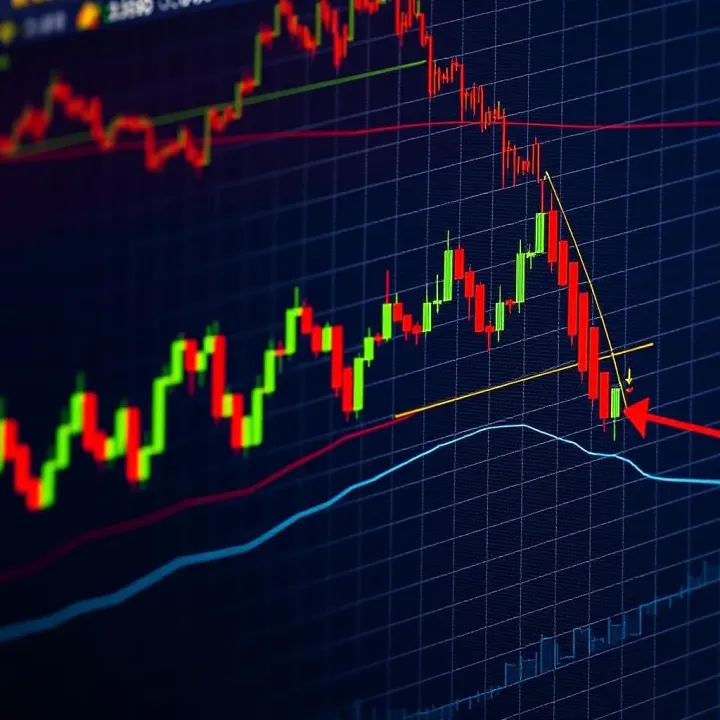
📉 Learn how the reverse flag pattern signals trend reversals in trading. Explore formation, key traits, trade setups, and real-market examples for smarter decisions!

🔍 Understand deposits and withdrawals in Indian banks, from types and procedures to security and regulations. Learn tips to manage your transactions confidently and safely.
📈 Learn all about derivative trading in India: key concepts, types, strategies, risks, and regulations to trade confidently in stocks, commodities, and indices markets.
Based on 8 reviews