
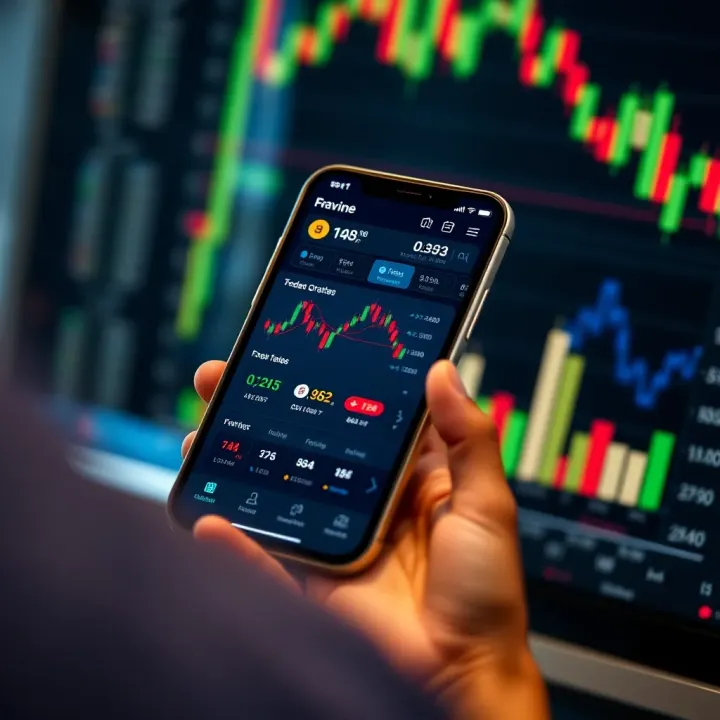
RBI-Approved Forex Trading Apps in India
📱 Explore RBI-authorized forex trading apps in India with insights on regulations, key features, and tips for safe, compliant currency trading. 💹🌐
Edited By
Isabella Turner
Forex demo trading apps let you practise currency trading without risking real money. These apps simulate the forex market environment using virtual funds, giving beginners a chance to learn trading basics, both in terms of analysis and order execution.
For example, you could start with ₹10,00,000 of virtual capital, trying different strategies like scalping or swing trading without fear of losses. This helps you gain confidence and understand market dynamics before committing actual capital.
Most apps offer real-time price feeds and access to major currency pairs such as USD/INR, EUR/USD, and GBP/INR. Alongside live charts and technical indicators, these features enable you to familiarise with the trading platform itself.
Practising on demo accounts reduces the shock of live market emotions. It’s a safe sandbox for beginners to make mistakes and learn without penalties.
Key benefits of demo trading apps include:
Zero financial risk: You don't lose or gain real money.
Hands-on learning: Observe how forex prices fluctuate.
Testing strategies: See what works before applying to real trades.
Platform familiarity: Get comfortable with placing orders, stop-loss, and take-profit settings.
Many apps in India, like Zerodha's Kite and Upstox, provide integrated demo accounts. International platforms such as MetaTrader 4 or 5 also offer demo mode compatible with Indian brokers.
To make the most of demo trading, treat it like real trading. Keep journals of your trades, analyse mistakes, and try different approaches. Avoid the temptation to trade carelessly since there’s no real loss, as this won’t prepare you for actual market stress later.
Understanding forex demo trading apps is the first step for anyone keen on entering the currency market. They bridge the gap between theory and real-world trading with minimal risk.
Forex demo trading apps serve as powerful tools for anyone wanting to explore currency trading without risking real money. These apps mimic the live forex market environment but use virtual funds instead of actual capital. Traders, investors, and analysts can practice their strategies, understand market behaviour, and gain confidence before stepping into live trading.
At their core, forex demo trading apps provide a simulated platform where users can trade currency pairs like USD/INR or EUR/USD without financial exposure. The main purpose is educational: helping beginners grasp trading concepts and allowing experienced traders to test new tactics safely. For instance, if you want to experiment with leverage or stop-loss orders, doing so on a demo app avoids costly errors. These apps also familiarise users with the interface and tools of a trading platform, making the eventual transition to real trading smoother.
Forex demo apps go beyond just offering fake money—they replicate real market conditions as closely as possible. You'll see live price movements influenced by global economic events as if you were trading actual money. This includes spreads, price volatility, and order execution timing, which are essential for understanding forex trading dynamics. Still, there can be slight differences, especially in execution speed and liquidity during high volatility.
Using virtual funds in a realistic setting enables users to make real-time decisions, analyse outcomes, and adapt without the pressure of losing capital, which is invaluable for building trading skills.
Platforms like MetaTrader 4 or 5, which many Indian brokers support, provide well-known demo accounts. They offer real-time charts, indicators, and order types identical to live accounts. This realistic simulation helps users experience forex trading’s fast-paced environment, preparing them for risks and rewards they will face when trading live.
In essence, forex demo trading apps are the first step toward disciplined and informed currency trading. Knowing how they work helps you make the most of these apps and avoid surprises later when you shift to real markets.
Forex demo trading apps offer a practical stepping stone for anyone keen to understand currency markets without diving straight into real money trading. They provide a safe environment where you can learn, experiment, and grow familiar with the nuances of forex trading.
One of the biggest benefits of demo trading is completely removing financial risk. Say you're a fresher curious about trading the USD-INR pair. Using ₹5 lakh in virtual funds, you can practise buying and selling currencies to see how your decisions play out. Because the money isn't real, you won’t lose actual capital even if you make mistakes. This allows beginners to focus on grasping concepts like leverage, pips, and spreads rather than worrying about losing cash.
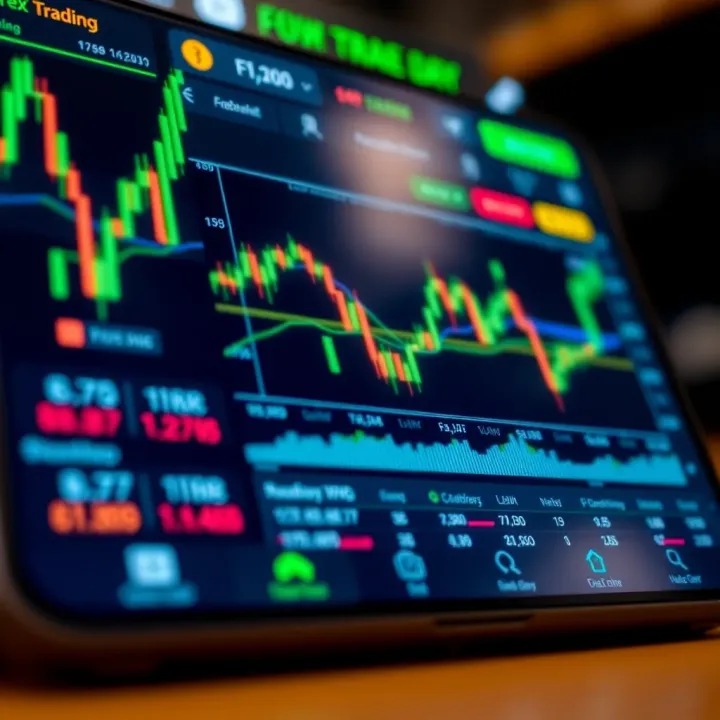
Forex markets can be volatile and unforgiving, so testing strategies on a demo app first can be invaluable. For instance, if you want to try scalping—the strategy of making quick, small profits—you can do so repeatedly without pressure. This hands-on practise builds your confidence by showing what works and what doesn’t before risking your saved earnings. Many traders tweak their plans over weeks on demo accounts to find a style that fits their risk appetite and schedule.
Forex trading platforms pack plenty of features from charting tools to order types, and having an early experience with these can make real trading less intimidating. For example, platforms like MetaTrader 4 offer demo versions where you can learn to set stop losses or use indicators without the pressure of real trading. This familiarity helps you quickly place orders in live markets, cutting down costly errors.
Demo trading is not just practice; it’s a foundation. Without this hands-on learning, even the most well-read trader may struggle to keep up in real scenarios.
In summary, forex demo trading apps help you avoid financial loss, test and refine your trading techniques, and get comfortable with complex platforms. For Indian traders starting out, these apps are essential tools before venturing into the live forex market with real money.
When choosing a forex demo trading app, several features matter a lot because they shape your learning experience and prepare you better for real trading. Here’s what you should prioritise.
A clean, intuitive interface keeps things simple, especially for beginners. It means you can quickly find tools and place trades without getting lost in complicated menus. For example, apps like MetaTrader 4 or Zerodha’s Kite offer neat designs that don’t overwhelm new users. Accessibility also means the app should work well on smartphones, tablets, and desktops. This flexibility lets you practise trading anytime, anywhere—even while commuting or waiting for a train.
Forex markets move fast, so demo apps must provide live price feeds to simulate actual trading conditions fairly. Without real-time data, your trades won’t reflect true market behaviour, leading to bad habits. Quality charting tools are equally essential—they help analyse price patterns, trends, and indicators clearly. Look for features like multiple timeframes, drawing tools, and technical indicators such as RSI or moving averages. These help you test strategies just like a pro would.
To mimic your style, the app should allow customisation of lot sizes, leverage, stop-loss orders, and take-profit levels. These settings help you manage risk better and experience different trading scenarios. Plus, alerts notify you about price movements or order executions, so you never miss critical events. Customisable notifications ensure you stay engaged without staring at your screen 24/7.
Demo apps that bundle educational content—like tutorials, webinars, and guides—give you an edge. Learning concepts side-by-side with practising builds confidence faster. For example, apps like TradingView integrate community ideas and learning modules to deepen understanding. Likewise, responsive customer support, available in local time zones, matters when you hit snags or have questions.
Choosing the right features in your forex demo app lays the groundwork for successful, risk-aware trading once you step into live markets. Prioritise usability, accurate data, flexible settings, and supportive learning to maximise your practice sessions.
By focusing on these key features, you will not only improve your trading skills but also gain the practical tools needed to trade forex confidently in the real world.
Demo trading is not just a practice run; it sets the foundation for your real trading career. Approaching it with clear objectives and strict discipline helps you avoid costly mistakes when you enter live markets. Let’s look at how to manage your demo trading wisely.
It’s easy to treat demo trading like a game with no consequences, but setting realistic goals keeps things grounded. If you aim to double your virtual money every week, you're setting yourself up with expectations that won’t match real trading. Instead, set achievable targets like understanding how a currency pair reacts to news or practising certain order types. Also, decide on limits such as maximum daily trades or maximum virtual loss. This habit trains you to control risks and stick to a plan rather than chasing quick wins, which is common among new traders.
Maintaining a trade journal during demo trading helps you see patterns in your decisions. Note details like entry and exit points, why you took the trade, and what the outcome was. For example, if you notice losses mostly happen during volatile sessions like the London open, you can adjust your strategy accordingly. Many demo apps allow you to export reports or charts — use these for a deeper dive into your trading habits. By reviewing these findings weekly, you refine your skills systematically before handling real money.
Switching to live trading is a big step. Demo trading doesn’t replicate the psychological pressure of risking your own funds. To bridge this gap, start small in live markets. For instance, if you traded ₹1 lakh in demo, begin live trading with ₹10,000 or lower. Also, apply the same strategies and discipline practiced in demo, and resist the urge to increase stakes impulsively. Understand that live trading brings emotions like fear and greed; managing these is key to lasting success.
Practice with purpose: demo trading helps build your technical skills but treating it seriously prepares your mind for real trades.
By setting clear goals, tracking your progress carefully, and transitioning patiently, you make sure the time spent on demo trading pays off when you finally enter live forex markets.
Forex demo trading apps provide a safe playground to learn and practise trading without risking your hard-earned money. However, it is crucial to understand their limitations to better prepare for real trading situations. This section highlights key challenges you should keep in mind when using demo accounts.
One major difference between demo and live trading lies in the emotional experience. In a demo account, losses affect only virtual funds, so it's easy to stay calm while experimenting with strategies. But when real money is at stake, emotions like fear, greed, and anxiety influence decision-making significantly. For example, a trader might hesitate to exit a losing position in a live trade due to the fear of actual loss, whereas they may quickly close it in a demo setting. Recognising this emotional gap helps you avoid getting caught off guard when you switch to real currency trading.
Demo apps usually simulate market conditions but cannot fully replicate actual market liquidity or execution speed. In live forex markets, slippage and order delays can occur during volatile periods or in less liquid currency pairs. For instance, an Indian trader attempting to buy USD/INR at a specific price might face delays or partial fills in live markets, unlike a smooth execution in the demo version. These differences may affect your trading results and risk management. Always remember that real trading involves these variables, and it’s important to prepare for sudden price movements and execution issues.
The risk-free environment of a demo account can also lead to complacency. Because no real money is involved, some traders may take excessive risks or ignore trading discipline, which won’t be sustainable in live trading. For example, placing multiple large trades in demo mode might seem fine, but in reality, that could mean significant losses. To overcome this, treat demo trading seriously — set the same loss limits and position sizes as you would in real trading. Practising self-control during demo trades builds habits that help avoid costly mistakes later.
Keep in mind that forex demo trading apps serve as a training ground but not a perfect substitute for live trading experience. By acknowledging these limitations early, you can better prepare mentally and technically before committing real money.
Understanding these challenges will help you get the most out of demo trading apps and smooth your transition into live forex trading. Always approach demo trading with a blend of optimism and caution to build skills that truly matter in the real market.
For traders and investors in India, selecting the right forex demo trading app is the first step to getting hands-on experience without risking real money. These apps provide a practice ground where you can observe market behaviour, try different strategies, and understand platform functionalities. This practical exposure is especially helpful in a country where forex trading is growing but still faces regulatory and market awareness challenges.
Several forex demo apps stand out for Indian users due to their accessibility, features, and compatibility with local regulations. MetaTrader 4 (MT4) remains a favourite because of its robust charting tools, wide broker compatibility, and ease of use. Many Indian brokers integrate MT4, making the transition from demo to live trading smoother.
Another popular choice is MetaTrader 5 (MT5), which builds on MT4 by offering more instrument types and improved analytical tools. While MT5 is relatively newer, it gains traction among traders looking for greater flexibility.
TradingView is appreciated for its advanced charting and social trading features, though its demo function is limited compared to dedicated trading apps. It helps Indian users analyse currency trends with powerful visualisations and community insights.
Local apps like Zerodha’s Kite and Upstox Pro primarily focus on equity but also provide forex demo options through select brokers, catering to Indian market nuances and compliance.
When comparing these apps, Indian users should watch for several factors:
Real-time Market Data: Apps like MT4 and MT5 offer near-instant price updates similar to live markets. This is critical to replicate real trading conditions.
Ease of Use: Beginners may find TradingView’s interface friendlier, while professional traders prefer MT5’s advanced setups.
Broker Support: Demo accounts linked to reputed Indian brokers help with a seamless switch to live trading and ensure adherence to Securities and Exchange Board of India (SEBI) guidelines.
Embedded Educational Tools: Apps backed by Indian brokers often offer tutorials, webinars, and support in local languages, aiding comprehension.
Order Execution Simulation: While virtual trades in all apps lack real liquidity effects, platforms like MT5 try to mimic execution delays, giving a better sense of order filling.
Testing several demo platforms before settling on one helps you find the best balance between usability and realistic market simulation.
Ultimately, no demo app can perfectly replicate real trading emotions or risks, but these platforms provide the best starting points for Indian traders to experiment and build confidence. Familiarity with leading apps such as MT4, MT5, and TradingView, alongside broker-specific demos, gives you a practical edge before stepping into live forex markets.
📱 Explore RBI-authorized forex trading apps in India with insights on regulations, key features, and tips for safe, compliant currency trading. 💹🌐
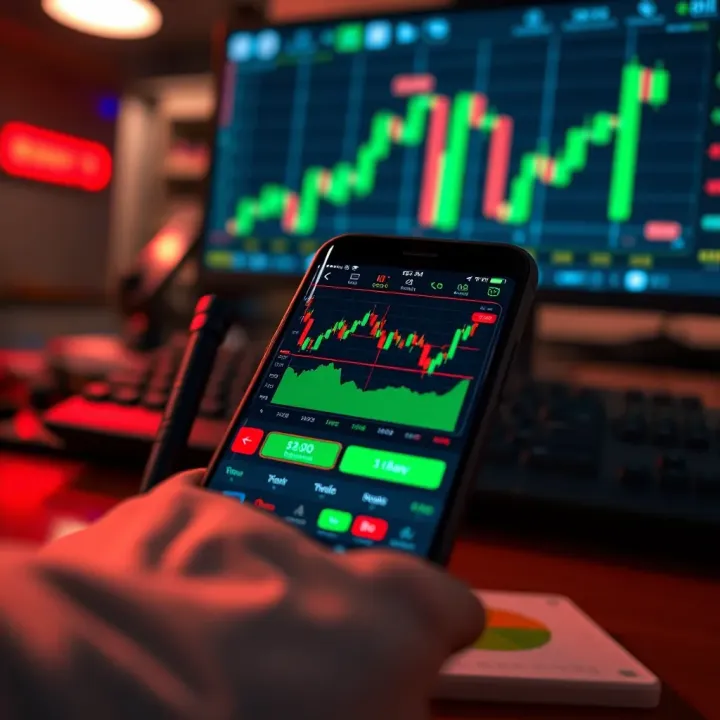
Explore RBI-approved forex trading apps in India 🇮🇳, learn about legal rules, must-have features, and tips to trade safely and confidently 💹.

Explore the top RBI-approved forex trading apps in India 🇮🇳. Learn about regulatory rules, app features & tips for safe, legal trading in forex markets 📱💱.
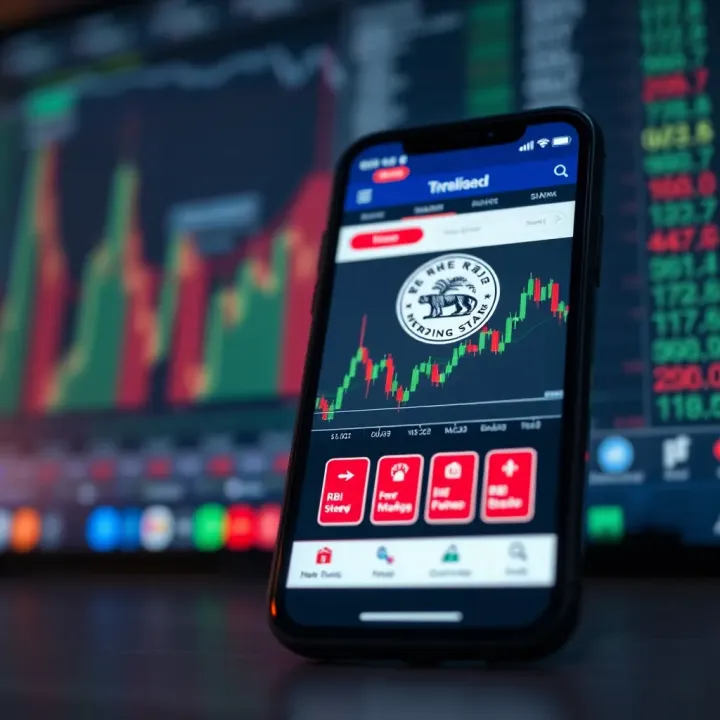
Explore RBI-approved trading apps in India 📱. Understand regulations, safety tips, and find reliable platforms to trade confidently under RBI guidelines.
Based on 9 reviews