
Understanding Demo Trading Accounts
Explore demo trading accounts 📊 to practice risk-free, understand their uses, benefits, and limits. Get ready for real trading with practical insights tailored for Indian traders.
Edited By
Henry Scott
Demo trading provides Indian investors with a safe platform to understand the stock market without risking actual money. It uses virtual funds to simulate real market conditions, helping beginners and seasoned traders alike to refine their strategies.
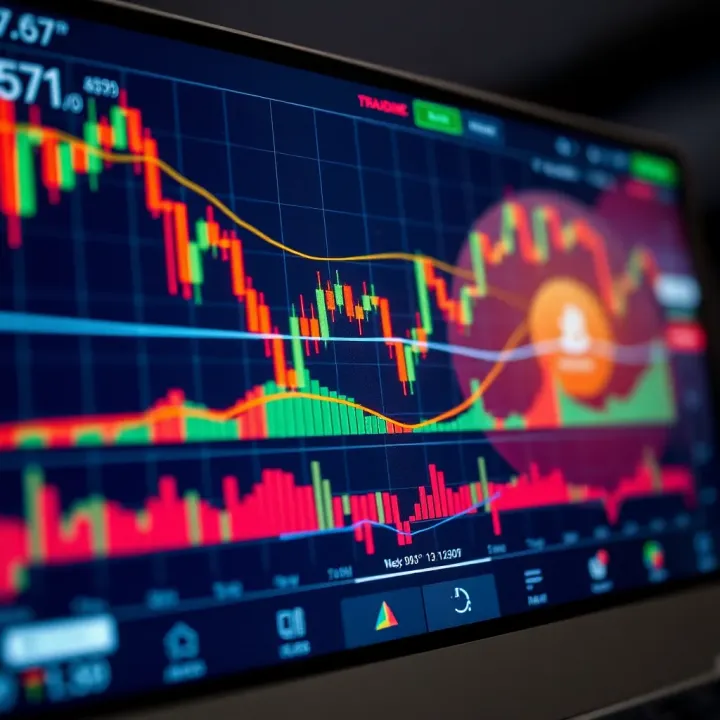
Most popular trading platforms in India, such as Zerodha, Upstox, and Angel One, offer demo accounts. These allow users to practise buying and selling shares, commodities, or currencies under live market scenarios. You see real-time prices, charts, and news updates, but your trades involve simulated funds.
The main benefit lies in the risk-free learning environment. For example, a fresh investor unsure about entering the Sensex market can test their strategy first in a demo account. They gain confidence without suffering financial loss from unexpected market swings.
Using demo trading accounts regularly helps improve decision-making skills and emotional discipline that real markets demand.
Besides skill-building, demo trading serves as a testing ground. Suppose you're exploring derivative trading or wish to try algorithmic strategies, demo accounts let you experiment to see how these perform with market volatility. This way, you understand the practical challenges before investing real money.
However, it isn’t without limitations. Demo accounts don’t reflect the psychological pressure of real losses, liquidity issues, or slippage that may occur in live markets. So, while it sharpens your technique, transitioning carefully to real trading is crucial.
To use demo trading effectively:
Treat it like real trading. Time your trades, follow market news, and maintain records.
Review your trades regularly to spot mistakes and improve your tactics.
Avoid overconfidence from risk-free gains—remember live markets can behave differently.
In a nutshell, demo trading acts as the training ground for Indian investors aiming to master the dynamic world of trading without financial risk upfront. It broadens understanding, builds confidence, and equips you better for actual market participation.
Demo trading is a simulated form of investing where you can practise buying and selling financial instruments like stocks, commodities, or currencies without using real money. For Indian investors, especially beginners, demo trading provides a practical tool to understand market dynamics and test strategies without the fear of losing capital. This type of practice prepares investors for live trading by familiarising them with the trading process, platforms, and market behaviour.
At its core, demo trading involves a virtual account where the trader uses fake funds to execute trades. This virtual setup replicates real market conditions, letting you place orders, monitor price movements, and experience the timing and decision-making involved in trading. For example, if you open a demo account with Zerodha or Upstox, you’ll see live stock prices and can try out buying shares like Reliance Industries or Infosys without any actual financial commitment.
Demo accounts use real-time market data to imitate genuine trading scenarios. This means the prices you see and the spreads are the same as in the live market. However, since no actual money is involved, you can experiment freely with riskier strategies or complex orders, such as stop-loss or bracket orders. Though the execution speed and price variations reflect reality, emotional factors like stress or hesitation don’t come into play, which is a big difference from live trading. Nonetheless, this setup helps build familiarity with market movements and order placement.
Indian investors have access to several demo trading platforms through brokers and third-party providers. These include:
Broker-Specific Demo Accounts: Most major brokers like Zerodha, Upstox, and 5paisa offer demo accounts integrated with their platforms, allowing you to test their tools and services.
Third-Party Simulators: Platforms like Moneybhai by Moneycontrol and Investopedia’s stock simulator provide virtual trading options with large user bases and educational content.
Mobile Apps: Apps such as ET Markets and Tickertape also offer demo modes to practise trading on-the-go.
The choice depends on your trading style and the instruments you want to explore, be it equities, derivatives, or currency futures.
Demo trading isn’t just a play zone; it acts as a rehearsal space where you sharpen your trading skills before committing real capital in the volatile Indian markets.
By understanding how demo trading works, you can leverage this tool effectively to build confidence and make better-informed decisions when you finally start live trading.

Demo trading offers several clear benefits, especially for those starting out in the stock or commodity markets. It serves as a safe playground where beginners can get the hang of trading without putting their capital at risk.
One of the biggest perks of demo trading is that you can experiment freely without losing money. Imagine a fresher trying to learn how markets react during volatile phases like demonetisation or budget announcements; a demo account lets them practise entering and exiting trades without real losses. This makes it easier to understand market movements and get comfortable with trading complexities before using hard-earned cash.
Market platforms often come loaded with charts, indicators, order types, and other features that can overwhelm new users. Demo accounts allow traders to explore these tools hands-on. For example, you might try placing limit orders, stop-loss, or trailing stops on popular Indian platforms like Zerodha’s Kite or Upstox Pro without fear of mistakes. Knowing how these tools function can significantly improve decision-making when real money is at stake.
Not all strategies work all the time. A demo account enables traders to test different approaches—say, day trading during active market hours or swing trading when the market is steady. You can evaluate performance during different scenarios such as the volatile monsoon sessions or steady January markets without pressure. For instance, trying a momentum strategy during heavy Sensex swings or experimenting with moving averages can reveal which methods suit your style best.
Demo trading acts like a rehearsal before the actual performance. It builds the confidence and knowledge that new traders need to step into live markets with a clearer understanding of risks and rewards.
In short, for Indian investors taking their first steps, demo trading offers a cost-free way to learn, get comfortable with trading platforms, and test strategies. These advantages help reduce the chances of mistakes and losses when you finally start trading with real money.
Demo trading is a helpful tool, but it has some limitations that every investor should understand before relying heavily on it. Recognising these pitfalls prevents unrealistic expectations and prepares traders better for live markets. Let's look at what separates demo trading from live trading and why success on virtual platforms is not always a guarantee of profits when real money is at stake.
Demo accounts mimic market conditions but can't fully replicate the live trading environment. For example, the bid-ask spreads in a demo may remain artificially tight, while live markets experience fluctuating spreads due to supply and demand, especially in volatile stocks or during market events. Additionally, executing a trade on a demo is instantaneous, whereas, in real trading, order execution can face delays or partial fills, affecting strategy outcomes.
Indian platforms like Zerodha and Upstox offer demo accounts primarily for learning, but the execution speed and slippage seen in live settings depend on market liquidity. Hence, traders might find their live trades differ significantly from mock trades.
One of the biggest gaps between demo and live trading is emotional involvement. With real money on the line, fear, greed, and anxiety influence decisions heavily. For instance, while testing a stop-loss strategy in a demo account, a trader may calmly accept losses, but sitting with actual capital, the urge to override stop losses or hesitate on entries can disrupt execution.
Psychological pressure often leads to inconsistent behaviour, like increasing trade sizes impulsively or abandoning strategies after losses. Demo trading fails to induce this stress, so it doesn’t prepare traders for the emotional rollercoaster of the real market.
Many traders find the transition from demo profits to live profits challenging due to differences in risk management and execution. For example, a strategy that looks profitable on a demo might rely on perfect execution and no slippage—conditions rarely met on real platforms.
Moreover, some traders treat demo accounts lightly, taking unrealistic risks or ignoring transaction costs like brokerage and taxes, which impact live trading outcomes considerably.
A trader’s success hinges not just on strategy but also on discipline, money management, and emotional control, aspects that demo platforms do not simulate fully.
To sum up: while demo trading is an excellent starting point to understand markets and test ideas without risking money, it’s essential to acknowledge its constraints. Combining demo learning with gradually scaled live trading and constant self-review is the surest way Indian investors can build a successful trading career.
Demo trading is not just a playground but a training ground where you can sharpen your skills before risking real money. Making the most of this opportunity means treating your virtual trades as seriously as live ones, analysing outcomes carefully, and preparing for a smooth transition to actual trading.
Setting clear and achievable goals helps keep your demo trading focused. For instance, instead of vowing to double your virtual capital in a week, aim to consistently apply a chosen strategy or understand how stop-loss orders work. Treat demo trading as if it were real money at stake; record all trades, including wins and losses, to build good habits. This seriousness is crucial because casual demo trading often leads to overconfidence and unrealistic expectations about live trading.
Regular analysis of your trades is key to improvement. Keep a trading journal where you note why you entered or exited a position, the market conditions, and the trade result. This helps identify patterns or mistakes, such as chasing after losses or ignoring market signals. Tools offered by platforms like Zerodha or Upstox enable you to visualise your performance and spot weaknesses. Learning this discipline in demo mode prepares you to manage risks better in live markets.
Moving to live trading requires careful planning. Start small by allocating a modest amount of capital to test your strategies in real conditions. Resist the urge to jump in with large sums immediately. The emotions involved in live trades—fear, greed, hesitation—are different from demo trading. To bridge this gap, stick to your predefined strategies and risk limits. Consider using limit orders instead of market orders initially to control entry and exit points. Gradual scaling helps adapt to the psychological shift gradually without jeopardising your capital.
Remember, demo trading is a rehearsal, not a guarantee. How you use this rehearsal determines your readiness for the real show.
By setting realistic goals, tracking your performance carefully, and approaching live trading cautiously, you convert demo trading from just practice to a powerful tool that builds confidence and competence in Indian markets.
Addressing frequently asked questions (FAQs) on demo trading helps clear common doubts that many Indian investors face when trying out virtual trading platforms. This section gives practical answers to key concerns, helping traders avoid confusion and use demos more effectively. For instance, knowing the legal status of demo trading in India can prevent misunderstandings, while queries on platform choices or timing to switch to live trading guide smarter decisions.
Demo trading is legal in India as it does not involve real money transactions but uses virtual funds. Since it is a practice environment, regulatory bodies like the Securities and Exchange Board of India (SEBI) do not oversee demo accounts directly. However, the real trading platforms that offer demo accounts must be registered and regulated to ensure security and fair play. For example, brokers registered with SEBI, like Zerodha or Upstox, provide demo interfaces as part of their service.
While demo trading itself is not regulated, it is advisable to use demo accounts from SEBI-registered brokers to avoid fraudulent platforms. This ensures the virtual market data and order executions mimic the real market closely.
Indian traders can use international demo trading platforms, but there are caveats. Many global platforms offer comprehensive demo accounts with access to international markets like the NYSE or NASDAQ. This offers a chance to practice diverse trading strategies.
However, these platforms may not follow Indian regulations or provide real-time data specific to Indian markets such as the NSE or BSE. Plus, forex, derivatives, or commodities trading rules differ across countries. Indian traders should carefully check if the international platform suits their trading goals before investing time.
Apps like MetaTrader 4 or 5, popular globally, have demo accounts widely used by Indian retail traders to familiarise themselves with technical analysis.
The ideal duration of demo trading varies by individual skill and confidence. Generally, using a demo account for at least one to three months helps build a solid foundation. During this time, traders can test different strategies, understand market behaviour, and work on trading discipline without risking capital.
Some traders may take shorter or longer based on their comfort level. For example, a day trader might switch to live trading sooner after practising order execution and risk management, while a beginner investor might take more time learning to analyse charts and news.
Remember, switching to live trading prematurely without consistent demo success often leads to losses. Use demo trading until you can demonstrate steady, confident, and rules-based trading outcomes.
In all cases, treat demo trading like real trading with clear goals, journalling, and honest self-review. This practice helps Indian investors confidently step into live markets, reducing emotional mistakes and boosting chances of success.
Explore demo trading accounts 📊 to practice risk-free, understand their uses, benefits, and limits. Get ready for real trading with practical insights tailored for Indian traders.
Explore demo forex accounts to practice currency trading risk-free 🇮🇳. Learn benefits, tips, key features & challenges for Indian traders aiming to boost confidence and skills.
Explore how demo trading apps help Indian beginners practise stock market investing risk-free 📈, discover key features, and learn to shift safely to live trading ₹.
📈 Learn how demo accounts let you practise trading strategies risk-free, set up easily, avoid common mistakes & transition smoothly to live markets with confidence.
Based on 10 reviews