

Understanding QX Trading: A Complete Guide
Explore QX Trading essentials 📊, from market strategies to platform tech & regulations. Perfect guide for traders in India aiming to expand skills 🚀.
Edited By
Emily Thompson
Demo trading apps have become a valuable tool for Indian investors and traders looking to get familiar with stock markets without risking their capital. These apps simulate real market conditions, allowing users to practise buying and selling shares, commodities, or currencies with virtual money. The experience closely mimics live trading platforms, offering insights into market behaviour and trading strategies.
For beginners, demo apps provide a safe environment to learn the basics of order placement, chart reading, and portfolio management. Experienced traders also use them to test new strategies before applying them to real funds. Popular Indian platforms like Zerodha’s Kite, Upstox Pro, and Angel Broking offer demo versions that mirror their live interfaces.
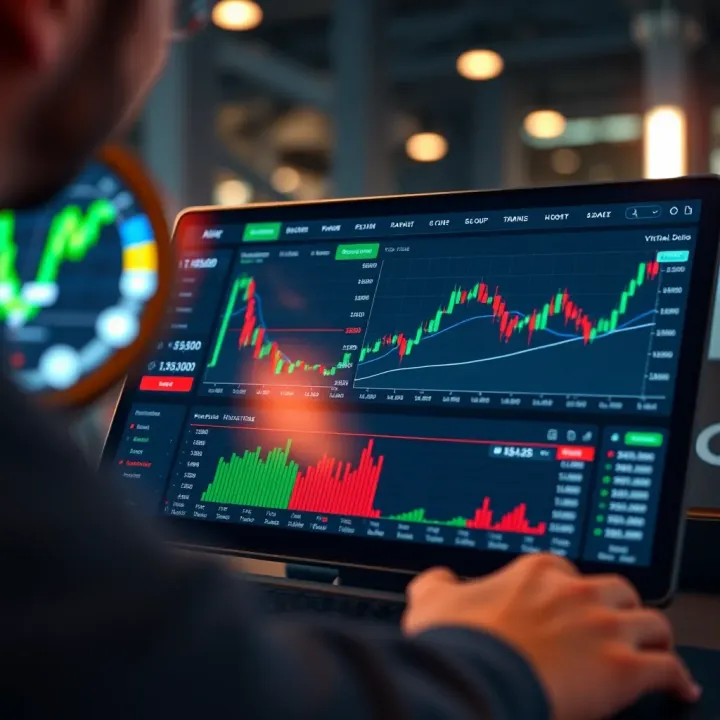
Using demo apps helps build confidence and understand market volatility, which is often underestimated by new traders.
Key features to expect in a solid demo trading app include real-time data feed, access to different segments like equity, derivatives, and commodities, easy-to-use order types, and comprehensive technical analysis tools. In addition, some apps provide educational resources and market news updates to support learning.
Practical benefits extend beyond just practice. Demo apps assist in developing discipline by allowing you to follow stop-loss rules and manage risk without actual losses. Moreover, they familiarise you with brokerage charges, transaction processes, and settlement cycles typically followed on Indian exchanges such as the National Stock Exchange (NSE) and Bombay Stock Exchange (BSE).
However, it is essential to remember that demo trading cannot replicate emotional factors like fear and greed experienced during real trading. This gap means transitioning to live markets requires additional mental readiness and strict adherence to risk management.
In summary, demo trading apps are a stepping stone for anyone aiming to become comfortable with stock market investing in India. They reduce the learning curve and minimise initial financial setbacks, setting a solid foundation before venturing into live trading with real money. Subsequent sections will explore how to select the right demo app and shift smoothly to the live market environment.
A demo app for trading gives you a way to practise buying and selling stocks without risking your own money. It works like a sandbox that mimics the real stock market environment but uses virtual funds instead of actual money. This is especially useful in India, where new investors often want to grasp market dynamics before committing real capital.
Simulated trading environment means the app replicates the stock market's conditions as closely as possible. Price movements, order book dynamics, and market timings follow actual exchanges like NSE and BSE. For example, if Infosys shares rise by 1% in the real market, the demo app attempts to reflect a similar change. This allows users to experience real-time trading mechanics without facing financial consequences.
Use of virtual money is at the core of these demo apps. You start with an allotted virtual balance, say ₹5 lakh, and use it to place trades just like you would in a live account. Because no actual money is involved, it removes financial pressure and lets you focus on learning. You can see how profits and losses unfold with no real stakes, which helps build confidence gradually.
Common types of demo trading apps available in India include platforms linked directly to brokers like Zerodha Varsity or Upstox Pro Demo. Many stockbrokers offer their own demo versions replicating their live trading system's interface. Additionally, standalone apps such as Moneycontrol & NSE India’s mobile apps provide simulated trading features to practise with multiple stocks and asset classes at your convenience.
Risk-free learning experience is perhaps the biggest advantage. As a newcomer, you can make mistakes without losing money. This helps prevent costly blunders when you move to live trading. For instance, practising stop-loss orders or order types in a demo app lets you understand how they protect your capital in volatile markets.
Understanding market mechanisms is simpler through demo trading because you see concepts like order matching, bid-ask spreads, and market timings in action. This practical exposure demystifies how trades occur on NSE or BSE. Beginners often struggle with basics like identifying entry and exit points; using a demo app helps bridge this gap efficiently.
Testing different trading strategies becomes straightforward with demo trading. You can try day trading, swing trading, or position trading without risk. It allows you to evaluate which style suits your temperament and goals. For example, testing a momentum trading approach using virtual money helps spot which stocks perform well intraday — valuable insight before risking actual capital.
Demo trading is the stepping stone that turns theoretical knowledge into hands-on experience without losing money or confidence.
Using a demo app for trading helps new investors in India gain practical skills, build confidence, and prepare for the nuances of live markets in a controlled, risk-free setting.
When choosing a demo app for trading, understanding its key features helps you gain practical, hands-on experience with market scenarios. These apps should mimic real trading conditions closely to build your confidence before you invest real money. Whether you’re an investor watching the Sensex or a stockbroker training freshers, the right features can make a difference.
Live or delayed feeds: Ideally, a trading demo app provides live market data streaming directly from exchanges like NSE or BSE. However, some apps offer slightly delayed quotes to reduce data costs. While delays of a few seconds might seem minor, the difference can impact fast-paced day trading practice. If you’re learning swing trading, delayed feeds usually suffice, but day traders need more up-to-date information for accuracy.
Simulating market volatility: Seeing price swings helps understand how markets behave during events like budget announcements or RBI policy changes. Good demo apps replicate this volatility by simulating price fluctuations, order book depth, and sudden volume spikes. This trains you to manage risks during volatile sessions without suffering real losses. For example, if you try a momentum strategy, such volatility simulation tests your reaction under pressure.
Order placement and types: Experience with placing orders—whether market, limit, stop-loss, or bracket orders—is vital. A quality demo app allows you to use these order types just like a live platform. This practical drill helps when you shift to live trading, avoiding costly mistakes. Suppose you want to try intraday trades; being comfortable with order execution helps prevent slippage in real conditions.
Charting and technical analysis tools: Charts must be interactive, offering indicators such as moving averages, RSI, and MACD. Access to drawing tools for trendlines or Fibonacci retracements gives you a solid testing ground for technical strategies. Many Indian traders rely on these tools to spot entry and exit points. If your demo lacks these, the learning curve steepens sharply upon live trading.
Portfolio tracking features: Tracking your virtual holdings over time reveals how well your chosen strategies perform. A clear dashboard showing profit/loss summaries, sector-wise exposure, and asset allocation keeps things organised. For instance, if you build a diversified portfolio across banking, IT, and pharma stocks, portfolio tracking helps analyse balance and risk.
Tutorials and guides within the app: Many demo apps address beginners’ needs by including step-by-step walkthroughs of trading basics, market terms, and app navigation. This integrated learning saves you time as you don’t need separate resources. For example, Zerodha’s Varsity section combined with its Kite demo app offers in-app guidance which is quite handy for newcomers.
Demo challenges or gamification elements: Some apps include quizzes, leaderboards, or simulated competitions. This gamified approach keeps engagement high and encourages repeated practice. Participating in weekly challenges against peers can sharpen decision-making and improve reaction times. It also adds a fun element, which removes the monotony sometimes felt when practising trading strategies alone.
A trading demo app that combines realistic data, comprehensive tools, and educational features creates a near-live learning environment. This equips you to handle the stock market better when you invest real money.
Understanding these features helps you select a demo app that suits your style and goals. In India’s fast-evolving market, this preparation is key to navigating the ups and downs safely and confidently.

Using a demo trading app effectively requires more than merely clicking through trades. It’s about building real skills that will prepare you for live market action. To make the most of these platforms, you must set clear, realistic goals, practise diverse trading strategies, and regularly analyse your performance.
Many beginners rush to measure success by profits in a demo app, which can lead to overconfidence. Instead, treat the demo account as a training ground where your priority is understanding market behaviour, order types, and timing. For instance, rather than aiming for a high return, focus on mastering how to place limit orders or stop-loss orders accurately. The profit or loss itself is less relevant here since the money is virtual.
Consistency helps in developing trading skills. Create a sensible timetable for practising on the demo app—perhaps dedicating 30 minutes daily after watching market news on CNBC TV18 or reading Economic Times updates. This routine keeps your learning steady and prevents burnout. Over time, you’ll notice which trading hours suit your style better, especially since the Indian stock market is active mainly between 9:15 am and 3:30 pm IST.
A demo app lets you try out various trading strategies without risk. You might explore day trading by executing multiple trades during market hours to catch small price movements. Alternatively, practise swing trading by holding stocks or futures for several days, tracking trends with technical indicators like RSI or MACD available in the app. This experience helps you understand which approach fits your temperament and capital capacity.
Demo mode is ideal for practising risk management. For example, try setting stop-loss limits on each trade to see how it controls losses during market downturns. Additionally, learn position sizing—decide how much virtual capital to allocate per trade based on volatility and confidence level. These habits become crucial when handling real money, helping prevent heavy losses.
Regularly reviewing your trades is necessary to spot patterns of success or failure. Spend time after market hours analysing what worked and what didn’t. Use the demo app’s reports or export your trade history to spreadsheets. For example, if you notice repeated loses on certain sectors like auto or pharma stocks, you might rethink your strategy or do more research on those industries.
It’s easy to overlook emotional biases and behavioural errors while trading. Step back and honestly assess your trades to identify mistakes such as chasing losses or exiting too early. Conversely, recognise consistent strengths—maybe you excel in technical analysis or timing breakout trades. This self-awareness guides plan adjustments and builds confidence for eventual live trading.
Remember, success in real trading starts with disciplined practice in the demo environment. Use this phase to sharpen skills, learn from mistakes, and grow steadily before risking your hard-earned money.
By following these focused steps, you’ll turn your demo trading experience into a solid foundation for the stock markets.
Demo trading apps offer a safe environment to learn, but they can't fully replicate the live market experience. Recognising their limitations helps you prepare better when moving to real trading. These challenges include the absence of emotional pressure, differences in market mechanics like slippage, and psychological traps such as overconfidence. Understanding these can prevent costly mistakes down the line.
The biggest change when shifting from demo to live trading is the emotional impact of real money being at stake. In demo apps, since the money is virtual, you don't feel the stress or fear that come with risking your own capital. For example, a trader might take bold risks on demo platforms without facing any anxiety. However, in live markets, even a small loss can trigger hesitation or panic, influencing decision-making significantly.
This absence of real emotional pressure can lull traders into thinking that trading is easier than it actually is. It's important to appreciate that mastering the market means managing not just the technical side but also your emotions. Demo apps offer practice, but they can’t simulate the nervousness or excitement you will experience with your own money on the line.
Demo apps often assume that your orders execute exactly at the prices you see on screen. In reality, the market has liquidity constraints, and slippage occurs. This means your buy or sell price may differ from what you expected, especially during volatile times or when trading large volumes.
For instance, if you place a market order for a popular Sensex stock during heavy trading hours, your order might fill at a price higher or lower than displayed. Demo apps rarely factor this in, leading to unrealistic expectations about order execution. Understanding this difference is crucial to managing real trades effectively and setting practical stop-loss levels.
Trading with real money triggers a different mindset from demo trading. Many users get overconfident after consecutive wins on demo apps, believing they have mastered the market. However, psychological factors like fear of loss, greed, and hope come into play in genuine trading, often making decisions less rational.
Experienced traders warn that emotions can make you exit trades too early or hold losing positions for too long. For example, a demo trader might not care about a losing position, but live traders feel the pain of real loss, influencing their behaviour. Being aware of this difference helps in building patience and discipline.
Jumping into live trading immediately after demo success often leads to failures. Gradual transition, starting with small capital and uncomplicated trades, is essential to bridge the gap between theory and practice.
You could begin by allocating a modest amount as your initial risk capital, say ₹10,000, and focus on low-risk trades using stop-loss orders. This approach helps adapt your psychological responses and refines strategies based on real market feedback. Over time, you increase exposure as confidence and experience grow.
Trainees who recognise these challenges early tend to make smoother shifts to live trading and avoid the common pitfall of burnout or big losses.
In summary, while demo trading apps serve as excellent practice grounds, it's vital to be mindful of their limits. Emotional pressure, market mechanics like slippage, and psychological biases shape real trading differently. A cautious, stepwise transition builds both skill and confidence for sustainable trading success.
Selecting the right demo app is vital for Indian traders who want an authentic trading experience before investing real money. A well-designed demo app should offer close integration with local stock exchanges and follow regulatory norms, ensuring beginners practice with accurate data and within legal boundaries. This choice directly impacts the trader’s confidence and learning curve.
A demo app must provide access to stocks listed on the National Stock Exchange (NSE) and Bombay Stock Exchange (BSE), the two primary Indian exchanges. Realistic exposure to these stocks helps users familiarise themselves with market behaviour relevant to India. For instance, practising trades on popular securities like Reliance Industries, TCS, or Infosys ensures the demo reflects real Indian market conditions.
Moreover, integration means the app uses actual or near-real-time data feeds from these exchanges, which is essential to simulate market volatility properly. Without this, demo trading loses its practical value, as price movements or volumes may not align with live market scenarios.
The Securities and Exchange Board of India (SEBI) sets rules to protect investors and ensure market integrity. A demo app compliant with SEBI norms assures traders about the ethical standards and data security upheld by the platform.
For example, apps must handle user data responsibly and operate transparently regarding fees and services. Non-compliance risks exposing users to misleading information or flawed simulations, which can give a false sense of security when transitioning to live trading.
A demo app’s reliability significantly impacts the learning process. Frequent crashes, freezes, or incorrect data can lead to poor practice habits. Checking user reviews from trusted sources reveals how stable the app performs under different market conditions and on diverse devices.
Inaccurate price movements or delays can confuse users, causing them to make wrong trading decisions later. Therefore, prioritising apps with consistent uptime and precise data feeds is essential for effective demo trading.
Responsive customer support helps users resolve technical issues quickly, preventing frustration and loss of practice time. Look for apps that offer multiple support channels—chat, email, or phone—and clear guidance on common queries.
Regular updates show the developer's commitment to improving features and adapting to regulatory changes. An app that remains current with market rules and technological advances keeps users prepared and confident when they shift to live trading.
Choosing a demo trading app suited to Indian markets and regulations substantially enhances your preparation, reducing surprises when you enter live trading.
Moving from a demo app to real trading is a significant step for any trader. While demo apps provide risk-free learning, live trading introduces real stakes that require careful preparation. Transitioning effectively helps you avoid common pitfalls, ensures smoother adaptation to market pressures, and improves your chances of success.
Opening a live trading account in India involves submitting essential documents like your Permanent Account Number (PAN), Aadhaar card, proof of address, and bank account details. These documents are mandatory under Know Your Customer (KYC) norms laid down by SEBI. The verification process usually takes a few days, and in some cases, e-KYC can speed things up, especially when linked to Aadhaar.
Choosing the right broker matters a lot when starting live trading. Look for brokers who offer user-friendly platforms, quick trade execution, and robust customer support. For example, Zerodha and Upstox are known in India for ease of use and helpful service. Good support ensures your queries and issues resolve quickly, which is vital during live trades.
Starting with small capitals limits your downside as you adjust to the real market environment. For instance, if you practiced demo trading with ₹5 lakh virtual money, start live trading with ₹20,000 to ₹50,000 initially. This reduces pressure and lets you build confidence before committing larger amounts.
Using stop-loss orders and other risk controls safeguards your capital by automatically exiting trades if losses hit a preset level. This discipline curbs emotional decisions. Beyond stop-loss, you can use position sizing and diversification to manage risk effectively. For example, never putting more than 2-3% of your capital on a single trade helps in preserving your investment.
Even after going live, continuing demo practice alongside real trades can refine your skills without exposing you to unnecessary risk. It allows testing new strategies in a safe space while managing real investments cautiously.
Staying updated on market trends is crucial for timely decisions. Follow sources like NSE India updates, economic news, and corporate announcements regularly. Ongoing learning through webinars and tutorials ensures you adapt to changing market conditions effectively.
Transitioning to live trading is not just a technical step but a mindset shift. Starting cautiously, managing risks, and continuing to learn will strengthen your trading journey in India.
Explore QX Trading essentials 📊, from market strategies to platform tech & regulations. Perfect guide for traders in India aiming to expand skills 🚀.

Explore Qutex trading 🚀, a decentralized crypto exchange prioritizing security 🔐, speed ⚡, and smart mechanics. Learn its benefits, risks, and role in crypto markets 🔄.

Discover how Quotex trading signals work in India 🇮🇳, their upsides, risks, and tech behind them. Get practical tips for smarter trading profits 📈.

Explore real money trading apps in India 🇮🇳: How they work, risks & benefits, payment options 💳, legal tips ⚖️, and how to pick a safe platform 🔒.
Based on 9 reviews