

Profiles of Leading Company CEOs with Photos
Explore detailed profiles of top company CEOs with photos 📸, their leadership styles, career paths, and impact on corporate culture and growth in India’s business world.
Edited By
Ethan Davies
The Coca-Cola Company stands as a dominant figure in the global beverage market, but it faces fierce competition across various segments. For traders and investors, understanding who these competitors are and how they challenge Coca-Cola's market share is key to assessing the company's future prospects.
Competition in the carbonated soft drink (CSD) segment remains intense. PepsiCo is Coca-Cola's biggest global rival, with brands like Pepsi, 7UP, and Mountain Dew offering strong alternatives. Their aggressive marketing and extensive distribution networks, especially in markets like India, keep the competition heated.
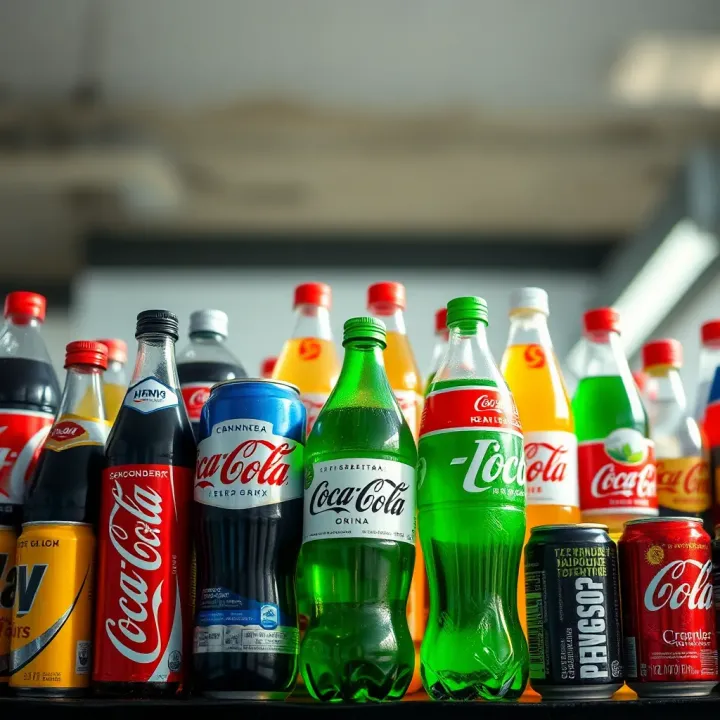
Beyond traditional sodas, rising consumer preference for healthier options is reshaping the battlefield. Companies such as Nestlé, with its bottled water and health drinks, and Patanjali, popular in India for its ayurvedic and herbal beverages, challenge Coca-Cola's dominance. This shift demands that Coca-Cola innovates continuously, focusing on juices, teas, and low-sugar drinks.
Regional competitors also demand attention. In India, local brands like Thums Up, although part of Coca-Cola's portfolio, compete fiercely with regional soft drink manufacturers who appeal to regional tastes and prices more aggressively. Similarly, in other developing markets, local players leverage cultural preferences and pricing strategies to capture market share.
Understanding the competitive landscape requires a look beyond mere brand names. Emerging players focused on sustainability and organic products pose indirect challenges by capturing health-conscious consumers, compelling Coke to diversify its offerings.
Overall, Coca-Cola sustains its leadership by broadening its portfolio and adapting distribution strategies. Investors should watch trends in health beverages and regional players closely, as they reflect shifting consumer preferences that could impact Coca-Cola’s margins and growth.
Key competitors include:
PepsiCo: Leading global competitor in sodas and snacks
Nestlé: Major player in bottled water and health drinks
Patanjali Ayurved: Fast-growing in India’s herbal beverage segment
Local regional brands: Strong in price-sensitive markets
Staying updated on these competitors’ moves provides valuable insight into how Coca-Cola navigates a fast-changing beverage industry.
Understanding The Coca-Cola Company's market position provides essential context for assessing its competitive landscape. Being one of the world's largest beverage companies, Coca-Cola's operations span over 200 countries with a vast distribution network. This global reach gives it significant leverage but also exposes it to various regional challenges and competitors. For traders and investors, knowing Coca-Cola's foothold helps evaluate risk and growth potential within a highly competitive sector.
Founded in 1886 in Atlanta, USA, Coca-Cola started as a single product and has since grown into a multinational beverage powerhouse. Its success builds on a strong brand image and significant marketing investments. Today, Coca-Cola controls a broad international presence with bottling plants and sales offices in key markets across Africa, Asia, and the Americas. This expansive footprint aids the company in adapting to local preferences, such as introducing fruit-flavoured drinks in India or low-sugar variants in European markets.
Coca-Cola's product portfolio goes way beyond its flagship cola. It includes carbonated beverages, juices, bottled water, sports drinks, teas, and coffee variants. This diversity helps the company tap into different consumer segments, from traditional soda drinkers to health-conscious buyers favouring low-calorie or natural options. For instance, in India, Coca-Cola offers brands like Limca and Maaza, which cater to regional tastes, alongside global offerings like Fanta and Sprite. Investors should note how such segmentation allows Coca-Cola to maintain steady revenue streams despite shifting consumer preferences toward healthier drinks.
Reflecting on Coca-Cola’s evolution and product strategy highlights why it remains a dominant force despite fierce competition. Its global presence and varied offerings create multiple entry points to satisfy diverse markets, a critical factor when analysing long-term sustainability and market share.
Overall, this overview sets the stage for a detailed look at Coca-Cola's competitors by establishing how the company positions itself in a fast-changing global beverage market.
The carbonated soft drink (CSD) market remains a significant battleground for global beverage companies, with major players vying for market share and consumer loyalty. Coca-Cola’s performance here provides insights into the broader dynamics shaping the beverage industry. Understanding the main global competitors is key for investors and analysts tracking market trends, pricing strategies, and product innovations within this category.
Market share comparison
PepsiCo consistently stands as Coca-Cola’s principal rival in the global carbonated drinks market. While Coca-Cola holds a slight lead overall, PepsiCo captures strong regional markets, especially in North America and parts of Asia. For example, PepsiCo has a dominant presence in India with its flagship brand Pepsi, competing aggressively for urban youth segments. Tracking market share fluctuations between these two companies offers clues on consumer preferences and regional trends influencing CSD consumption.
Product portfolio comparison
PepsiCo’s product range complements but also competes robustly with Coca-Cola’s. Both firms offer classic colas, lemon-lime sodas, and beverages with unique flavour variants. Importantly, PepsiCo has diversified into snacks and healthier drink options through brands like Tropicana and Aquafina, which enhances its competitive edge. This product mix allows PepsiCo to hedge risks as health concerns impact sugary drink sales, an area Coca-Cola is also addressing.
Marketing strategies
PepsiCo’s advertising often targets younger consumers with celebrity endorsements and vibrant campaigns centred on music and sport sponsorships. Coca-Cola, in contrast, relies on its legacy brand recognition, global events, and emotional storytelling. For investors, analysing these marketing approaches reveals how each company sustains brand loyalty and expands its consumer base amid shifting preferences. PepsiCo’s adaptability to digital channels and influencer marketing has earned it edge, especially in emerging markets.
Key brands and their niches
Dr Pepper Snapple Group, now part of Keurig Dr Pepper, offers distinct brands like Dr Pepper and 7UP that fill specific niches within the CSD space. These brands have loyal followings particularly in North America, valued for unique flavours that differ from standard cola offerings. Understanding these niche brands illuminates the competitive complexity beyond the Coke-Pepsi duopoly.
Competition in North America
In North America, Dr Pepper Snapple Group’s brands challenge Coca-Cola in segments where consumers show preference for less conventional flavours. While Coca-Cola dominates in volume, companies like Dr Pepper maintain steady demand by focusing on differentiated taste profiles and targeted regional marketing. This dynamic signals opportunities for diversification and underscores the importance of consumer taste trends in maintaining market share.
Local brands in African and Asian markets
Across Africa and Asia, numerous local carbonated drink brands serve specific tastes and cultural preferences. Brands such as Kenya’s Big Five Cola or India’s Thums Up, acquired by Coca-Cola itself, show how regional players can command strong loyalty despite global competition. Their presence illustrates that understanding local markets is essential for global beverage companies to tailor offerings effectively.
Challenges from these players
Regional brands often compete on pricing and flavour innovation, sometimes outperforming multinationals in rural or price-sensitive segments. They also adapt swiftly to local distribution challenges and regional regulations, posing unique hurdles. For investors, observing these competitors highlights risks and opportunities associated with emerging markets where growth potential is large but competitive pressures intense.
In sum, global and regional competitors in the carbonated drinks segment shape Coca-Cola’s strategies and market position. Tracking these players offers a clear lens into shifting consumer demands, regional variations, and the innovations shaping the industry's future.
The beverage market today extends well beyond traditional carbonated drinks, demanding The Coca-Cola Company to face rivals in other segments. Health and wellness drinks, tea and coffee offerings, and energy beverages attract diverse consumer groups, reshaping competition dynamics. These categories have grown rapidly as people re-evaluate their consumption habits, often favouring lower-sugar, functional, or energising options. Understanding this broader competition is vital for investors and analysts tracking Coca-Cola's adaptability and long-term prospects.
The rise of bottled water and functional beverages poses a direct challenge to carbonated drinks. Increasing health consciousness has driven Indian consumers towards bottled water brands like Bisleri, Aquafina, and Himalayan, which dominate the segment with expanding urban distribution. Functional beverages — such as electrolyte drinks, vitamin-enriched waters, and herbal infusions — appeal to customers seeking wellness beyond mere hydration. Products like Gatorade or Dabur's Real Activ hydrate while providing perceived health benefits, positioning themselves as practical alternatives to sodas.
Simultaneously, organic and natural drinks have carved a niche, emphasising chemical-free and ethically sourced ingredients. Brands like Paper Boat and Raw Pressery leverage the growing demand for authenticity and clean labels. These drinks, often fruit-based or herbal brews, attract health-conscious segments who are ready to pay a premium. The trend reflects a wider consumer shift prioritising transparent sourcing and minimal processing, pushing Coca-Cola to expand in this space through acquisitions and new product launches.
Traditional hot beverages like tea and coffee continue to hold strong consumer loyalty, particularly in India, where daily routines often revolve around these drinks. Established brands such as Tata Tea and Bru command significant market share outside carbonated beverages. For Coca-Cola, these iconic drinks represent both competition and opportunity, as their appeal cuts across age groups and regions.
To capture evolving demand, many tea and coffee brands have expanded into ready-to-drink (RTD) segments. Products like Tata Starbucks’ RTD coffee and Nestlé’s Nestea have gained traction for convenience-oriented consumers. This segment combines the familiarity of tea and coffee with portability, catering to busy urban lifestyles. Coca-Cola itself has invested in RTD brands like Georgia Coffee to tap into this growing market, highlighting the importance of innovation beyond soda.
Energy drink companies such as Red Bull and Monster have created a specialised market with a loyal but niche customer base. These beverages target younger consumers looking for a quick energy boost, often associating the product with lifestyle and performance. Their aggressive marketing, including sports event sponsorships and digital campaigns, enables them to compete successfully despite a smaller volume than mainstream soft drinks.
The niche nature of energy drinks means growth comes from urban centres and tier-1 cities in India, where awareness and disposable income are higher. While the energy segment is smaller relative to others, its higher profit margins and devoted followers make it a valuable competitor. For Coca-Cola, providing diversified options and occasional partnerships with energy brands keep them relevant here.
Consumers’ movement towards health, convenience, and lifestyle-oriented beverages continually reshapes the industry's competitive environment outside just carbonated drinks. For Coca-Cola, staying ahead involves spotting these shifts early and adjusting offerings accordingly.
Regional competitors matter a lot for Coca-Cola since local brands often understand their markets better and target specific consumer preferences. These players can swiftly respond to regional trends and offer products at a price point that global giants sometimes struggle to match. Their presence challenges Coca-Cola to constantly innovate and localise strategies.
Local soft drink brands have a stronghold in many parts of India, especially in smaller towns and rural areas. Brands like Maaza, Thums Up (interestingly now owned by Coca-Cola), and local players such as Bisleri’s range of drinks, compete for shelf space and consumer attention. These brands often tap into tastes shaped by regional nuances, such as strong fruit flavours or traditional ingredients, giving them a loyal base.
Price-sensitive consumers in India significantly influence market dynamics. Many Indian buyers prioritise affordability over brand prestige. This phenomenon compels Coca-Cola to offer smaller pack sizes or launch budget-friendly variants to maintain volume sales. Local brands, meanwhile, leverage low production and distribution costs to offer cheaper products, making price a key battlefield.
Regional fruit-based beverages are gaining traction, competing with carbonated drinks by providing natural and healthier alternatives. Brands like Raw Pressery and Paper Boat have tapped into nostalgia with traditional flavours like aam panna or kokum, often sourcing fruits locally. This trend reflects growing demand for authenticity and wellness, nudging Coca-Cola to diversify beyond fizzy drinks.
Local and regional brands in Southeast Asia command significant influence in many countries. For instance, Thailand’s Ichitan and Indonesia’s Teh Botol represent local tastes and traditions effectively, often outselling international brands in specific segments. These companies benefit from deep-rooted consumer loyalty and distribution networks that multinational companies find hard to replicate easily.
Adaptation to local tastes is a common strategy among regional brands that allows them to edge out larger players. They offer products that align with local flavour preferences—like sweetened tea variants, palm sugar-infused drinks, or spices commonly used in local recipes. For Coca-Cola, understanding these nuances means tailoring products and marketing campaigns suitably, rather than relying on a one-size-fits-all global approach.
Regional competitors underscore that beyond global scale, local relevance and price sensitivity shape market success. For investors and analysts, recognising these factors is crucial for assessing Coca-Cola’s growth potential and competitive risks in these markets.
Understanding current trends is vital for assessing how The Coca-Cola Company navigates competition and maintains its market hold. Shifts in consumer habits, environmental expectations, and rapid digital adoption shape not only Coca-Cola's strategies but also those of its competitors. This section explores these forces, highlighting practical impacts on market dynamics.
Shift towards healthier options has become more than just a passing fad. Increasing awareness of lifestyle diseases and fitness has pushed consumers towards low-sugar, natural, or functional beverages. Coca-Cola itself launched products like Minute Maid Nutriforce and Coca-Cola Zero Sugar to cater to this demand. This shift forces companies to innovate beyond traditional sugary drinks.
The growing focus on wellness means beverages with added vitamins, electrolytes, or plant extracts gain sensible market traction. For traders and investors, this signals potential growth in segments outside fizzy drinks, emphasizing a need to watch product diversification in corporate portfolios.
Impact on carbonated soft drink sales is noticeable as health-conscious buyers cut down on sugary sodas. Markets in urban India report slowing growth or even decline in conventional soda sales, prompting Coca-Cola’s rivals like PepsiCo to expand bottled water and juice portfolios aggressively. This trend affects revenue streams and may compel companies to rethink marketing spends or channel strategies.
Carbonated drinks still hold a place in many regions, but the overall contraction in demand suggests risks for companies relying too heavily on these products. Understanding these shifts helps analysts anticipate changes in market share and profitability within beverage stocks.
Eco-friendly packaging initiatives are no longer optional but expected by consumers and regulators alike. Coca-Cola has committed to using 50% recycled PET in bottles by 2030 and promoting refillable packaging models in India, aiming to cut plastic waste. Such steps can improve brand image and meet tightening environmental regulations.
For investors, companies embracing sustainability often face lower regulatory risks and operational costs in the long run. Furthermore, Indian government campaigns on single-use plastics highlight the urgency for beverage companies to adapt quickly.
Pressure from governments and consumers intensifies as global and Indian authorities enforce stricter waste management policies. Consumer activism around plastic pollution influences buying behaviour, pushing companies to offer biodegradable options or increase recycling efforts.
This external pressure shapes corporate policies and can affect stock performance. Market researchers need to track regulatory changes and public sentiment to understand potential impacts on competitors.
E-commerce and mobile app sales growth have transformed beverage retailing. Platforms like BigBasket, Amazon India, and Swiggy enable direct-to-consumer sales, especially during festive seasons. Coca-Cola’s association with various online platforms expands reach beyond traditional retail.
This trend boosts volume sales and provides valuable consumer data. For financial analysts, digital channels represent a new variable in revenue forecasting and consumer engagement metrics.
Use of digital platforms for brand engagement takes centre stage with social media campaigns, influencer partnerships, and interactive promotions. Coca-Cola regularly uses these channels to refresh its brand image, targeting younger demographics.
Digital engagement not only supports sales but also builds brand loyalty in competitive markets. Traders should value companies that adapt well to this fast-changing landscape, as this can translate into sustainable market presence.
Beverage companies now manoeuvre through evolving consumer tastes, environmental duties, and rapid digital shifts to stay relevant. For investors and market watchers, tracking these trends offers critical insight into future market prospects and corporate strategies.
Shifts in health trends redefine product development
Eco-conscious packaging influences regulatory compliance
Digital channels open new distribution and engagement opportunities
Each of these trends reshapes competition, underscoring why staying updated benefits those involved in market decision-making.
Explore detailed profiles of top company CEOs with photos 📸, their leadership styles, career paths, and impact on corporate culture and growth in India’s business world.

Explore life in 2050 with advances in technology, environment, society, economy, and governance. Discover upcoming challenges and innovations shaping our future 🌏🔧
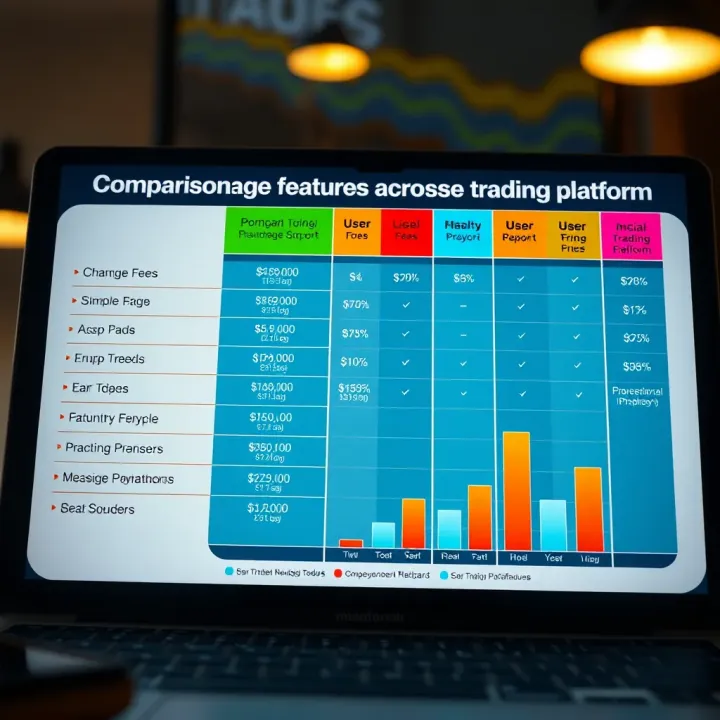
Find the best trading platform for Indian investors with insights on brokerage fees, user experience, customer support, and features tailored to your trading style 📈💻

📈 Explore the best trading apps in India to earn money via stocks and commodities. Discover features, security, and tips for safe, cost-effective investing.
Based on 10 reviews