

Real Money Trading Apps in India: A User's Guide
Explore real money trading apps in India 🇮🇳: How they work, risks & benefits, payment options 💳, legal tips ⚖️, and how to pick a safe platform 🔒.
Edited By
Emma Carter
Choosing the right trading app in India can significantly impact your ability to earn money from stocks and commodities. With rapid digitisation and a surge in retail investors, the market is brimming with options. However, not all platforms offer the same security, features, or cost advantages. Knowing what to look for helps you avoid unnecessary charges and safeguards your investments.
Trading apps cater to a wide range of users—from beginners seeking simplicity to active traders needing advanced tools. For instance, Zerodha and Upstox offer low brokerage fees and solid charting tools suited for experienced traders. Meanwhile, Groww and 5Paisa appeal to beginners thanks to their user-friendly interfaces and educational resources.
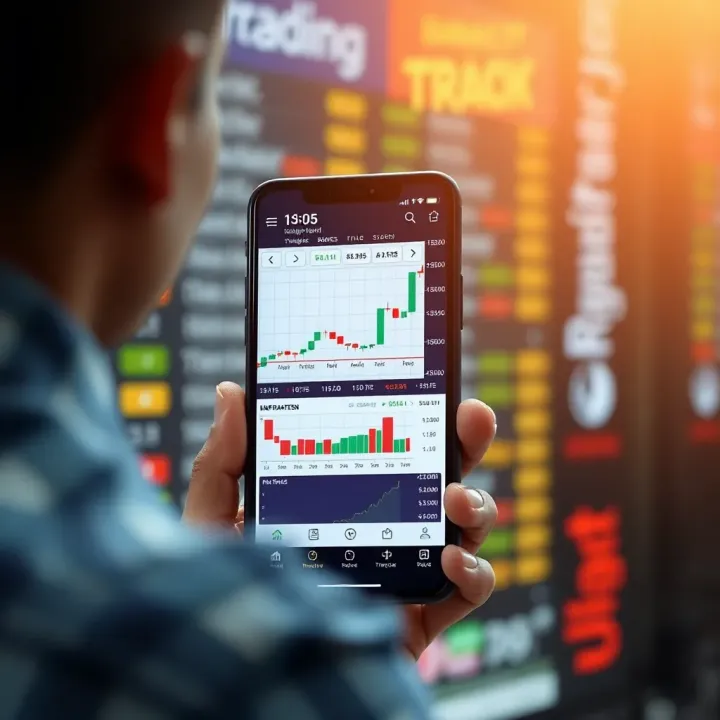
Security remains a non-negotiable factor. Look for apps with two-factor authentication, encryption, and regulatory approvals from the Securities and Exchange Board of India (SEBI).
Here are key aspects you must consider when selecting a trading app:
Cost efficiency: Brokerage fees, account opening charges, and annual maintenance fees can eat into your profits. Apps like Zerodha offer flat fees, while others levy percentage-based commissions.
Ease of use: Clear navigation and seamless order placement help prevent costly errors, especially during volatile markets.
Market access: Check if the app supports equity, derivatives, commodities, and mutual funds, depending on your investment goals.
Research and analysis tools: Real-time data, technical indicators, and news updates enable informed decision-making.
Customer support: Responsive service is critical if you face transaction glitches or need guidance.
To earn consistently, align the app’s features with your trading style and risk appetite. Beginners often benefit from apps providing tutorials and risk management tools, while active traders may prioritise customisable charts and quick execution.
Ultimately, a well-chosen trading app simplifies investing and helps you focus on strategies that grow your wealth steadily. Keep monitoring app updates and user reviews to ensure the platform adapts to evolving market trends and technology.
Choosing the right trading app involves more than just picking a popular name. You need to consider features that directly affect your trading efficiency, security, and costs. A well-designed app can give you a clear edge whether you are day trading or investing for the long term.
Ease of navigation plays a key role in how quickly you can execute trades and respond to market changes. An app cluttered with confusing menus or delayed loading times can lead to missed opportunities, especially in volatile markets. For instance, Zerodha Kite offers a clean layout where orders can be placed within a few taps, saving precious seconds.
Customisation options allow you to tailor the app according to your preferences. You might want to set up watchlists, alerts, and dashboards that reflect your trading style. This flexibility can reduce the noise and highlight relevant data points, aiding more focused decisions. Many apps like Upstox Pro let users arrange charts and tools to suit both beginners and seasoned traders.
Mobile responsiveness ensures the app works smoothly across different devices, including lower-end smartphones common in India. Trading on-the-go is only effective if the app loads quickly, adapts to screen sizes, and keeps features accessible without lag. In fact, poor mobile optimisation is a major reason why some traders switch apps.
Data protection standards are vital as trading apps handle sensitive financial information. Look for apps that use encryption and secure servers. Breaches can lead to financial loss or identity theft. For example, Angel Broking employs advanced encryption protocols to safeguard user data.
Regulatory approvals by SEBI (Securities and Exchange Board of India) mean that the app complies with national rules designed to protect investors. Avoid apps with unclear regulatory status — verified apps ensure transparency and legal recourse if needed.
Two-factor authentication (2FA) adds an extra layer of security by requiring users to verify their identity through a second method, like OTP on mobile or email, beyond just a password. This reduces the risk of unauthorised access, which is crucial when real money trades happen digitally.
Brokerage fees can eat into your profits if not carefully examined. Some apps charge fixed fees per trade (as low as ₹20), while others take a percentage of your trade value. For high-frequency traders, minimal brokerage is a must; 5Paisa offers competitive flat rates suitable for such users.
Deposit and withdrawal charges are often overlooked but can impact your cash flow. Some platforms allow free digital transfers, while others levy fees on withdrawals or deposits. It’s wise to check these before committing, especially if you plan frequent fund movements.
Hidden costs to watch out for include account maintenance charges, inactivity fees, or platform usage charges. These can accumulate and surprise you when least expected. Reading the fine print on terms and conditions helps, and apps like Zerodha are known for their clear fee structures with few hidden costs.
A good trading app balances user experience, security, and cost-effectiveness. Understanding these key features helps you pick a platform that suits your trading goals without unexpected roadblocks.
Choosing the right trading app in India is key if you want to make money from the stock market effectively. Trading apps simplify access to markets, provide tools to analyse stocks and commodities, and help you execute orders swiftly. The right app balances usability with robust features, enabling both beginners and seasoned traders to spot opportunities and manage risks on the go.
A good trading app not only lets you buy and sell but also equips you with data and insights necessary to make smart decisions.
Zerodha Kite stands out for its clean interface and fast order execution. It offers extensive charting tools and a wide selection of indicators, making it popular among active traders. The app also integrates seamlessly with Zerodha’s back-end systems, ensuring stability even during volatile market days.

Users often highlight Kite’s smooth navigation and minimal downtime, which are vital when timing trades matters. While some mention a learning curve for advanced features, most find the experience reliable and responsive.
Kite allows trading across equities, derivatives, commodities, and even currency futures. This range helps traders diversify their portfolio within one platform rather than juggling multiple apps.
Upstox Pro offers a fast, intuitive interface suited for both new and experienced traders. It features multi-chart views, advanced order types like bracket and cover orders, and real-time market data. Integration with the desktop version lets traders switch devices without losing context.
Upstox uses a discount brokering model, which means low brokerage charges especially on equity delivery trades (often zero) and competitive fees for intraday and futures trading. This cost-effectiveness suits investors aiming to keep transaction expenses low.
Upstox provides responsive support through chat and call, which users appreciate during hectic trading hours. They also offer educational content to help users understand market workings better.
5Paisa Mobile App grabs attention with its easy-to-use interface and multiple financial products on the same platform, including mutual funds and insurance. Its research-backed recommendations and goal-based investment plans give traders extra guidance.
The app offers subscription-based plans where, for a fixed monthly fee, you get unlimited trades. This suits investors who trade frequently and want to avoid paying per trade.
5Paisa mostly appeals to value-conscious retail traders and investors looking for an affordable option with decent tools but without an overwhelming learning curve.
Angel Broking’s app comes loaded with useful trading tools like technical charts, advanced order types, and portfolio tracking. It incorporates AI-based advisory support that suggests personalised trades based on your profile.
The app includes daily market analysis, sector-wise reports, and expert calls. These resources help traders stay updated on market trends without switching platforms.
Angel Broking has simplified account opening with paperless online KYC (Know Your Customer) verification. Users can complete the process in minutes, making it hassle-free for first-time investors.
Choosing from these apps depends on your trading style, preference for tools, and cost sensitivity. Each offers solid features for earning money, but the trick is to find one matching your goals and comfort level.
Choosing the right trading app is key to maximising your earnings and managing risks effectively. The app needs to fit your individual trading style, device capabilities, and support needs. Traders who ignore these factors often struggle with slow execution, high costs, or lack of guidance, which can eat into profits fast.
Your trading style greatly influences which app suits you best. Day traders require apps with real-time data, quick order execution, and advanced charting tools to capture small price movements within the day. For example, someone executing multiple trades in an hour will look for speed and reliability above all.
On the other hand, long-term investors focus more on portfolio tracking, fundamental analysis features, and periodic updates. They might prefer apps that offer comprehensive company reports and dividend tracking, since their trades span months or years. This difference affects the kind of features you must prioritise.
Your risk appetite also matters. If you prefer low risk, choose apps that provide detailed risk metrics and alerts. Suppose you’re conservative—apps like Angel Broking with in-built advisory signals can be the right choice. Conversely, higher-risk traders may favour platforms allowing more complex options and futures trading, such as Zerodha or Upstox.
Your mobile device’s compatibility with the trading app can make or break your experience. Many apps support Android and iOS, but some older or budget devices may struggle with heavy apps. For example, if you have a smartphone with limited RAM or slower processor, an app with lightweight design like 5Paisa might perform better.
This is especially important in tier-2 or tier-3 cities where users often rely on mid-range or older devices. The app’s performance on such devices can affect load times and responsiveness, impacting your ability to react quickly in volatile markets.
Good customer service is essential, especially when you face technical glitches or confusing charges. Apps that offer round-the-clock support via chat or phone can save time and frustration. For instance, Upstox’s responsive team has helped many traders resolve issues swiftly, ensuring no delay in trading.
Educational resources matter too, especially for beginners or those trying new strategies. Access to tutorials, webinars, and regular market insights within the app helps users make informed decisions without hunting for information elsewhere. This support reduces costly mistakes and builds trader confidence over time.
Selecting a trading app isn't just about features—it’s about finding a tool that fits your trading habits, device, and learning needs, so you can trade efficiently and confidently.
New traders often plunge into stock or commodity trading with high hopes but lack the necessary precautions. Following safety tips is essential to protect your capital while learning the ropes. It reduces the risk of costly mistakes and builds confidence gradually.
Simulated trading, or paper trading, lets you practise without risking real money. It helps you get a feel for how stock prices move throughout the day, how order types work, and how market trends develop. For example, you might observe how IT stocks tend to dip during budget announcements or how FMCG shares respond to monsoon forecasts. This hands-on experience sharpens your instincts and prepares you for live trading.
Starting with small investments limits potential losses when you’re still learning. It gives you room to make mistakes without wiping out your savings. Suppose you allocate just ₹5,000 initially and track your trades closely; this way, you can adjust your strategies based on outcomes with less pressure. Over time, as your understanding improves, you can scale up investments while maintaining control.
Many trading apps embed real-time news feeds, offering updates on company earnings, stock upgrades, or important macroeconomic data. Staying informed through these features helps you make timely decisions. For instance, if a company you’re invested in announces a new product launch or faces regulatory scrutiny, getting this news instantly can guide your buy or sell actions.
Notifications from the Reserve Bank of India (RBI) and Securities and Exchange Board of India (SEBI) can impact the entire market or specific sectors. Changes in interest rates by RBI affect banking and lending stocks, while SEBI’s regulatory measures can influence trading norms or investor protections. Paying attention to these announcements keeps you updated on the broader framework shaping market behaviour.
Diversification means spreading your money across various stocks or asset classes to avoid putting all your eggs in one basket. If one sector suffers a downturn, others may perform well, balancing your overall portfolio. For example, combining shares from IT, pharma, and public sector banks can help shield you from sector-specific shocks.
A stop-loss order automatically sells your stock once it hits a certain price, ensuring you don’t bleed heavily during sudden market falls. Setting this order judiciously protects your investments without requiring constant monitoring. For instance, if you buy a share at ₹200, placing a stop loss at ₹180 can limit losses to 10%, a safeguard you wouldn’t want to miss in volatile times.
Safety in trading is about smart preparation and cautious steps. Incorporating these tips can help new traders navigate the markets more confidently and build wealth steadily.
Staying disciplined and informed is key to making money safely through trading apps in India.
Explore real money trading apps in India 🇮🇳: How they work, risks & benefits, payment options 💳, legal tips ⚖️, and how to pick a safe platform 🔒.

Explore key features, security, and user experience to select the best app for binary trading in India. Learn expert tips for safer trades and smarter decisions 📱💹

📱 Discover top forex paper trading apps for Indian traders to practise currency trading risk-free. Learn key features, benefits, and tips to trade smartly before using real money.
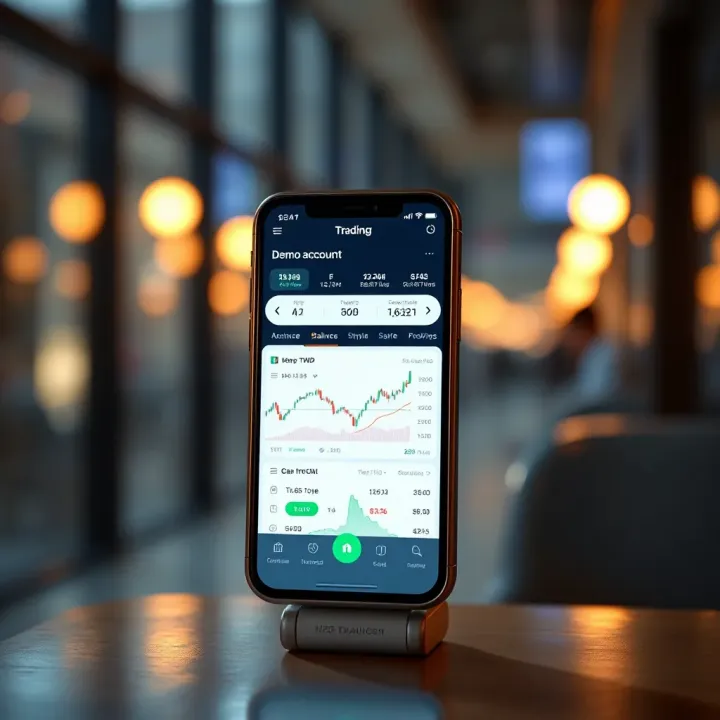
Explore the best trading apps with demo accounts in India 🏦. Practice without risking money, learn key features, and choose the right platform for smart investing 📈.
Based on 10 reviews