

Choosing a Real Trading Platform in India
Discover how to choose and use a real trading platform in India 🇮🇳✅ Explore key features, safety tips, costs, and expert advice to trade confidently and wisely 📈💡
Edited By
Charlotte Simmons
Choosing the right trading platform is foundational for Indian investors aiming to trade with ease and confidence. With the rise of digital investing in India, several platforms offer distinct features, costs, and services tailored to diverse trading needs. Picking a platform without proper understanding can lead to unnecessary expenses or missed opportunities.
A good trading platform integrates smoothly with Indian financial ecosystems like the National Securities Depository Limited (NSDL), uses UPI for payments, and supports trading in Equity, Derivatives, Mutual Funds, and ETFs. Whether you plan to buy shares through a Demat account or dive into intraday trading, the platform’s reliability and costs matter heavily.
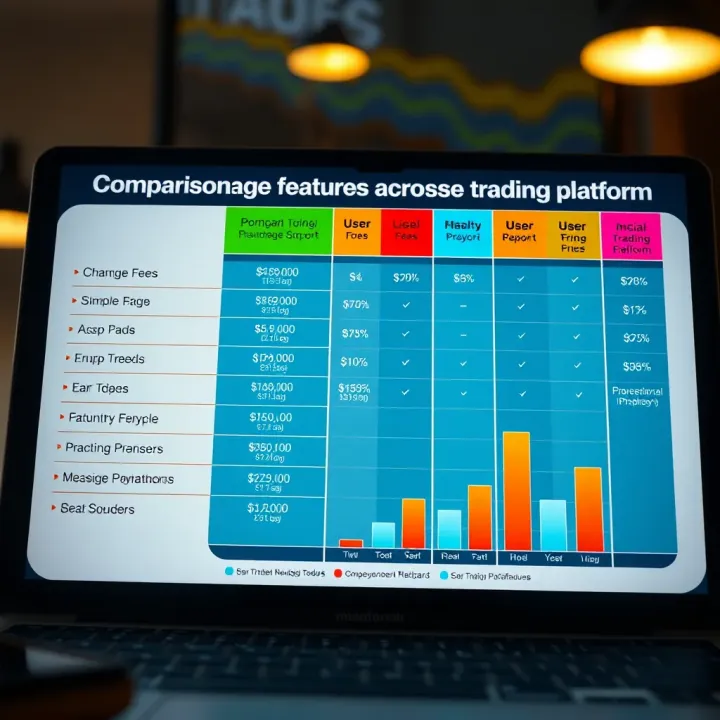
Opt for platforms that combine low brokerage fees with solid customer support—it saves you stress and money down the line.
Apart from brokerage charges, consider these:
User Interface: An intuitive and responsive interface helps execute trades quickly, which can make a big difference during volatile market conditions.
Customer Service: Look for 24/7 support or at least robust help channels. Issues like order failures or fund delays require immediate attention.
Trading Tools: Charting software, technical indicators, and portfolio trackers can improve decision-making. Some platforms provide AI-driven insights suited for Indian markets.
Mobile Accessibility: Many investors trade via smartphones, so mobile app stability and features are crucial.
Regulatory Compliance: The platform must be registered with Securities and Exchange Board of India (SEBI) and follow RBI guidelines.
Examples include Zerodha, Upstox, Groww, Angel Broking, and 5Paisa. Each offers distinct plans:
Zerodha is known for its low-cost model and powerful tools like Kite.
Upstox appeals with competitive brokerage and a clean interface.
Groww is beginner-friendly, focusing on mutual funds and equity investing.
Choosing depends on your portfolio size, style (day trading, long-term investing), and tech familiarity.
Planning your trading needs and testing platform demos or free trials can simplify the decision. Understanding your priorities upfront makes the choice clearer—whether it's cost-effectiveness, technology features, or customer support that matters most to you.
Choosing the right trading platform requires more than just picking a brand with a catchy name. For Indian investors, it boils down to a mix of usability, security, cost, and how well the platform matches their trading needs. A platform with a user-friendly interface helps you navigate the complex world of stocks and derivatives smoothly, lowering the chances of costly mistakes. Meanwhile, regulatory compliance and robust security keep your investments safe from fraud and technical glitches.
Ease of Navigation: Trading platforms should allow quick and easy access to all critical tools. Imagine trying to place a quick order in a market surge but struggling to locate the buy button; that delay can cost money. Platforms like Zerodha have simplified their interface to let users complete trades within a couple of taps, even for newcomers.
Mobile and Desktop Accessibility: Many traders now prefer mobile apps, but desktop interfaces still offer advanced analytics. A dependable trading platform supports both well — allowing you to switch between devices without losing functionality. For instance, Upstox offers a seamless experience across mobile and desktop, so whether you’re commuting or at your desk, your trades stay on track.
Customisation Options: Every investor has unique preferences. Some may want a dashboard highlighting derivatives, while others focus on mutual funds. Customisable layouts and widgets allow traders to tailor the platform to their strategies, improving efficiency and reducing clutter.
SEBI Regulations and Compliance: In India, the Securities and Exchange Board of India (SEBI) governs the trading environment. Platforms registered with SEBI follow strict rules, ensuring transparency and investor protection. Choosing a platform outside these norms risks your money and can lead to regulatory headaches.
Data Protection Measures: With increasing cyber threats, safeguarding personal and financial data is non-negotiable. Secure socket layer (SSL) encryption, secure servers, and regular audits are essential features. This prevents breaches that could expose your account details or funds.
Two-Factor Authentication: Adding an extra layer of security, two-factor authentication (2FA) requires users to confirm their identity through a second device or app. This simple step drastically reduces chances of unauthorized access, protecting your portfolio from being compromised.
Equities, Derivatives, and Mutual Funds: The variety matters. A platform limited to equities might not serve your full investment plan if you like trading derivatives or mutual funds. Platforms like Angel One offer a broad range covering all major instruments.
Access to NSE and BSE: India’s primary stock exchanges—the National Stock Exchange (NSE) and Bombay Stock Exchange (BSE)—must be readily accessible. Efficient order routing to these markets means faster execution and better pricing.
Options for Commodity and Currency Trading: For traders interested in diversifying into commodities or forex, look for platforms that provide access to MCX (Multi Commodity Exchange) and currency markets, with transparent margin and leverage options.
Flat Fee vs Percentage Model: Brokerage costs eat into profits, especially for active traders. Some platforms charge a flat fee per trade, making costs predictable regardless of trade size. Others use a percentage model, which can be expensive for big trades. Upstox, for example, is known for flat fees on equity delivery trades.
Demat and Annual Maintenance Charges: Besides brokerage, Demat account opening and annual maintenance fees add to costs. These may seem small individually but add up over the years. Platforms often bundle services or offer free Demat accounts for a period, so watch out for these details.
Hidden Costs to Watch For: Charges like call and trade fees, penalty charges on low balance, or charges for data feeds can catch investors off guard. Always review the fee schedule closely to avoid unpleasant surprises.
Availability of Support Channels: Efficient customer support through multiple channels—phone, chat, email—helps resolve trade or technical issues promptly. Platforms with 24/7 support like Angel One become lifelines during volatile trading days.
Quality of Educational Content: Especially for beginners, access to high-quality tutorials, videos, and blogs can significantly boost trading skills and confidence. Groww, for instance, offers detailed educational resources tailored to new investors.
Community Forums and Webinars: Learning from peers and experts alike adds value. Platforms hosting active community forums or regular webinars create spaces for discussion, market insights, and strategy sharing, enriching user experience.
Selecting a trading platform is not just about the tools available but how well they integrate into your investing style, protect your interests, and support your growth as a trader. Understanding these key factors helps you cut through the noise and focus on what truly matters for your financial journey.
When choosing a trading platform, it's essential to look at those widely used by Indian investors. These platforms have established trust, consistent performance, and user-friendly features tailored to the Indian market. Understanding popular choices helps you gauge what suits your style, whether you want low brokerage fees or advanced tools for active trading.
Zerodha stands out with its simplicity and transparency. It introduced flat brokerage prices, making trading affordable for retail investors. The platform offers Kite, a lightweight and fast web and mobile trading app, with advanced charting and various order types.
Zerodha's brokerage model is simple: ₹20 per trade on intraday and F&O segments, irrespective of trade size. Equity delivery trades are free, which attracts long-term investors. This flat fee structure helps avoid surprises from percentage-based charges.
The Kite interface is intuitive, making navigation quick for both beginners and experienced traders. Its real-time market data, easy watchlist management, and smooth order placement add to its popularity. However, some users may find the lack of extensive research tools a drawback.
Upstox offers a feature-rich platform with advanced charting tools and technical indicators that appeal to day traders. It supports multiple order types, enabling precise control over trades.
Upstox follows a competitive flat fee of ₹20 per trade for intraday and F&O, with zero brokerage on equity delivery. Its annual maintenance charges (AMC) for Demat accounts are reasonable, balancing cost with platform benefits.
The Upstox mobile app is known for its smooth performance, fast order execution, and real-time market updates. It caters well to traders who prefer mobile-only trading without compromising on features.
Angel One provides extensive choices beyond equities, including IPOs, mutual funds, commodities, and currency segments. This variety suits investors aiming to diversify.
The platform offers in-depth research reports, tips, and market insights prepared by its analysts. These help investors make informed decisions rather than relying solely on market rumours.
Angel One has a reputation for responsive customer support across phone, chat, and email, helping resolve issues quickly — a crucial factor when immediate trade decisions matter.
Groww is perfect for those starting out, focusing on simplicity and ease. Its step-by-step guides and tutorials help new investors feel comfortable navigating the stock market.
The clean interface removes clutter and allows easy navigation between stocks, mutual funds, and SIP options. It minimises confusion often faced by beginners dealing with complex platforms.
Groww shines in its seamless integration of mutual funds alongside equity investments. Investors can manage SIPs and lump-sum investments in one place, making portfolio management effortless.
Popular platforms each bring something unique. Evaluate features like brokerage, asset class availability, and ease of use carefully. Choose what fits your trading habits and investment goals best.
Choosing a trading platform that suits your specific style and needs helps you trade more effectively and comfortably. Different investors require varied tools, interfaces, and services based on how actively they trade and which markets they prefer. For example, what works well for a long-term investor may not fit an active day trader’s requirements. Understanding these distinctions avoids unnecessary fees and tool clutter.
New traders and those planning to invest for the long term benefit from platforms with clean, straightforward interfaces. A clutter-free dashboard where key functions such as buying, selling, and portfolio overview are easy to find reduces the learning curve. Platforms like Groww or Angel One cater well to beginners by focusing on simplicity instead of complex charting features that can overwhelm.
Learning the ropes of investing is easier if the platform provides quality educational content. Beginners should look for tutorials, explainer videos, and webinars that cover basics such as reading stock trends or understanding mutual funds. Access to customer support that patiently guides through account setup or investment queries is also valuable.
Long-term investors often make fewer trades but want to keep investment costs minimal, so lower or zero brokerage platforms appeal to them. Many Indian platforms offer zero brokerage on equity delivery trades, making them ideal for holding stocks over months or years without draining returns due to high fees.
Day traders rely on detailed charts and technical analysis to time entry and exit points. Trading platforms offering real-time candlestick charts, trend lines, and volume indicators help in making quick decisions. For example, Zerodha’s Kite platform allows multiple chart types and overlays, suiting active traders well.
When a few seconds can make a noticeable difference, platforms must provide fast order placement with minimal lag. Networks with servers close to major exchanges like NSE or BSE improve speed. Platform stability during peak market hours is equally important to avoid missed opportunities.
Tools that allow customising technical indicators or automated alerts enhance trading efficiency. Traders who use indicators like RSI (Relative Strength Index) or MACD (Moving Average Convergence Divergence) benefit from platforms that incorporate these natively, eliminating the need for external software.
Traders dealing in commodities or currencies need platforms with direct connections to exchanges such as the Multi Commodity Exchange (MCX) or currency derivatives on NSE. Such access ensures smooth price discovery and real-time trading options tailored for these markets.
Commodity and currency trading usually involve margin or leverage to amplify potential gains. Traders must choose platforms that clearly specify margin requirements and offer adjustable leverage within regulatory limits, helping manage exposure without surprises.
Due to volatility in commodities and currency markets, features like stop loss orders, margin alerts, and exposure limits are key. These tools help prevent heavy losses by automatically triggering sell orders or warning the trader when risk thresholds cross predefined levels.
Matching your trading platform to your style is not just about features but ensuring those features add value to your trading routine. The right fit lowers costs, cuts out distractions, and boosts confidence.
By aligning platform choice with your trading type—be it conservative investing, active day trading, or commodity dealings—you optimise your chances for sustained success and smoother experiences.
Traders in India should look beyond basic functionalities when choosing a trading platform. Additional features often make a significant difference in convenience, efficiency, and overall experience. These enhancements range from smooth payment options to detailed portfolio tracking and automated investments, which help investors manage their finances better and stay informed.
In India, Unified Payments Interface (UPI) has become the go-to method for instant and hassle-free transactions. A trading platform integrated with UPI allows investors to move funds directly from their bank accounts to their trading wallet without manually entering bank details every time. This integration cuts down on delays and helps capture market opportunities quickly.
Once you initiate a fund transfer, immediate confirmation helps avoid any confusion about deposit status. Platforms offering real-time payment confirmation reduce uncertainty and ensure you can start trading without waiting for checks or delays. This is especially useful during high-volatility market phases when timing can impact profits.
Aside from UPI, top trading platforms support various payment methods such as net banking, debit/credit cards, and wallets like Paytm or Google Pay. Providing multiple options adds flexibility, catering to users with different preferences or banking setups, which is helpful in tier-2 and tier-3 cities where some methods might not be widely available.
Keeping track of your investments’ current value is essential, especially for active traders. Platforms that refresh portfolio data continuously help investors make timely decisions by showing live changes in stock prices, dividends, and realised or unrealised gains. This live insight is crucial for managing risks and adjusting strategies.
Filing taxes on capital gains can get complicated without proper records. Many Indian platforms now provide built-in tax reports summarising your gains, losses, and applicable deductions under sections like 80C or 80D. These reports simplify ITR filing, saving time and reducing errors.
Sometimes, investors want to analyse their portfolios offline or share reports with financial advisors. Platforms that allow exporting data in formats like Excel or PDF ease this requirement. It helps maintain personal records or perform customised analyses beyond what the platform offers.
Systematic investment plans (SIPs) are popular for building wealth steadily. Platforms with automated SIP scheduling allow users to set monthly deductions that invest directly into mutual funds or stocks without manual intervention. This automates disciplined investing and ensures no missed payments.
Some investors prefer to start SIPs with small amounts and increase over time. Trading platforms that give flexibility to change SIP instalments or pause and resume plans offer convenience without penalties. This caters to varying cash flows and financial priorities.
Timely alerts about upcoming SIP instalments, changes in investment value, or important platform updates keep investors informed and engaged. Notifications reduce the chances of missed payments or surprises, allowing more control over one’s financial plans.
Choosing a platform with these additional features can significantly enhance your trading and investment journey in India, making it smoother, more transparent, and aligned with modern financial practices.
Starting with the right steps to open a trading account and begin trading is essential for any Indian investor. A smooth onboarding process coupled with an intuitive trading interface can save you time and help you avoid common mistakes early on. Understanding these steps ensures a quicker route to investing without confusion.
Today, most brokers simplify account opening through online Know Your Customer (KYC) verification. This step involves uploading scanned copies of your Aadhaar card, PAN card, and a bank proof digitally. The platform then uses electronic verification methods to confirm your identity quickly, often within an hour. This online process eliminates the need for physical forms or visiting branch offices, making trading accessible for investors from tier-2 and tier-3 cities.
Once KYC is complete, you must link your Demat account with your bank account. This connection is critical because buying and selling stocks involve fund movement, and linking ensures seamless settlements. Many platforms now support instant bank verification via net banking logins or UPI handles, which speeds up the linkage. Without a properly linked bank account, transactions may fail or experience delays, affecting your ability to finish trades on time.
To start trading, depositing funds is necessary. Online trading platforms accept fund transfers through multiple channels like UPI, net banking, or IMPS. Choose a reliable payment method for quick credit to your trading wallet. For example, platforms like Zerodha or Upstox offer instant fund credit through UPI, enabling swift order placements. Remember, some brokers might have minimum funding requirements, so check this beforehand to avoid hiccups.
After funding your account, understanding how to place orders effectively is key. You should know how to enter buy or sell orders, set quantities, and choose order types like market or limit orders. Platforms like Angel One present clear buttons to streamline this process. Placing orders quickly, especially during volatile market hours, can impact your trade profits and losses.
Stop loss and limit orders help control your risk and lock in profits. A stop loss order automatically sells a stock if its price falls to a set level, preventing large losses. Limit orders allow buying or selling shares at a specified price, avoiding unexpected executions. Learning how to set these on your platform protects your investment during sharp market swings.
Real-time market data like price charts, volume, and news updates are crucial for informed decisions. Trading platforms typically offer live feeds with options to customise indicators tailored to your strategy. For instance, you might want the Nifty 50 index updates or sector-wise movements visible on your dashboard. Having instant access reduces guesswork and helps you react in time.
A dashboard tracking your portfolio’s daily gains, losses, and overall allocation gives clear insight into how your investments are doing. Most Indian trading apps provide portfolio summaries with visual charts that update in real time. This continuous monitoring helps you identify underperforming stocks or funds for timely action.
Portfolio rebalancing involves adjusting the weightage of different assets to maintain your desired risk level. For example, if equity has grown too high compared to bonds, selling some shares to restore balance prevents overexposure. Platforms often provide tools or alerts suggesting rebalancing opportunities based on your input.
Withdrawing money from your trading account to your bank should be hassle-free. After selling stocks or redeeming funds, initiate a withdrawal request via the platform. Most brokers process this within a day or two; however, delays can occur if documentation is incomplete or during peak days. Knowing the withdrawal process ensures you access your money when needed without unnecessary waiting.
Starting with a clear understanding of these steps not only speeds up your trading journey but also safeguards your investments against common pitfalls faced during initial transactions.
Discover how to choose and use a real trading platform in India 🇮🇳✅ Explore key features, safety tips, costs, and expert advice to trade confidently and wisely 📈💡

Explore the Quotex trading platform's features, ease of use, security, and how it stacks up for Indian traders. Make informed decisions with this detailed review 📊🇮🇳

Explore Quotex trading platform insights📊, features🔍, security🛡️ & tips💡 for Indian traders to trade smarter and safer in 2024.
Explore QX Broker.com🔍 with insights on features, security, trading options, and support. Get tips for smart trading and know its regulatory status in India 🇮🇳.
Based on 8 reviews