

Understanding Quotex India: A Digital Trading Guide
Explore Quotex India: learn its features, registration, trading options, safety tips, benefits & risks to trade confidently on this digital platform 📈🔒
Edited By
Amelia Reed
India is on track to witness a profound digital shift by 2030, shaping its economy and social framework significantly. Investors and market analysts should note the growing emphasis on digital technologies driven by increased internet penetration, government initiatives, and evolving consumer behaviours.
Expanding internet access remains a top priority. The BharatNet project, aiming to connect rural areas with high-speed broadband, has already laid the groundwork for millions of new users joining the digital ecosystem. This expansion is expected to bridge the urban-rural divide, enabling more consumers and businesses to participate in India’s digital economy.

Digital payments have seen explosive growth, with platforms like Unified Payments Interface (UPI) processing billions of transactions monthly. The government's push toward a cashless economy, supported by demonetisation and GST reforms, has increased trust in digital transactions. For financial analysts, this means plenty of opportunities in fintech stocks and digital service providers.
E-governance initiatives are streamlining public service delivery. Services like DigiLocker and e-Sign facilitate paperless transactions, reducing corruption and improving efficiency. These developments make compliance and regulatory oversight easier, impacting sectors that heavily interact with government bodies.
Education technology is booming, reflecting a shift towards remote learning and skill development platforms that cater to India’s vast youth population. Companies offering affordable online courses and virtual classrooms are set to expand rapidly, attracting both public and private investment.
Cybersecurity will become increasingly important as digital adoption grows. Rising cyber threats demand robust defence mechanisms, creating scope for cybersecurity firms and investors focusing on data protection technologies.
Emerging technologies such as artificial intelligence (AI), machine learning, and blockchain are expected to disrupt traditional industries. For example, AI-driven agriculture platforms can boost crop yields, and blockchain-based supply chain solutions promise enhanced transparency.
India’s digital transformation is not just technology adoption but a fundamental restructuring of how business and governance work, providing fertile ground for strategic investments and market growth.
Understanding these trends equips traders and investors to make informed decisions aligned with India’s rapid digital evolution.
Internet access forms the backbone of India’s digital future. Widening digital infrastructure not only connects citizens but also drives growth in sectors like fintech, e-commerce, education, and healthcare. For traders and investors, this expansion signals fresh opportunities in digital markets and urban-rural business integrations.
India’s internet penetration crossed 60% by early 2024, reaching over 85 crore users. Urban areas enjoy over 75% internet connectivity, but rural penetration lags near 40%, posing a growth gap. While smartphone adoption is rising fast even in tier-3 and 4 cities, inconsistent network quality and affordability still curb usage, especially among low-income groups.
A typical example is the proliferation of affordable 4G-enabled smartphones from brands like Xiaomi and Realme, which have brought digital access to smaller towns. Yet, patchy electricity and poor network infrastructure hinder consistent use.
Government initiatives like BharatNet aim to connect 2,50,000 gram panchayats with high-speed fibre optic cables. Private partnerships have joined in, leveraging low-cost tech to extend broadband.
For example, Reliance Jio’s rural expansion has installed mobile towers in remote villages, while satellite internet players such as OneWeb and Starlink promise to cover areas traditional towers cannot reach. These efforts address both speed and reliability challenges in sparse populations.
This infrastructure push makes digital tools accessible for small traders and farmers, who can transact online or use mobile-based advisory services directly from their villages.
The ongoing rollout of 5G networks promises faster data speeds and lower latency, crucial for real-time trading, cloud computing, and digital payments. Telecom providers like Airtel and Jio have started limited 5G services in metros, with targets to cover all major cities by 2025.
This upgrade will enable applications like augmented reality in stock analysis and faster settlement of digital transactions. At the same time, edge computing combined with 5G can reduce reliance on central data centres, improving efficiency.

Expanding internet access and upgrading telecom infrastructure are key to democratizing digital participation across India’s diverse markets, directly impacting economic inclusivity and investment flows.
In all, India’s digital infrastructure growth is the linchpin for a robust economy, opening fresh avenues for investors and traders by harnessing the vast untapped demand in rural regions and modern urban centres alike.
Digital payments in India have transformed the way money moves across the economy, becoming a backbone of the country's digital push. For traders, investors, and market analysts, understanding this shift is key since it affects liquidity, consumer behaviour, and business models across sectors. The digital payments ecosystem enhances transaction speed, transparency, and cost efficiency, which supports economic growth and financial inclusion.
UPI has emerged as the powerhouse of India’s digital payment infrastructure, handling billions of transactions monthly. Launched by the National Payments Corporation of India (NPCI), UPI allows instant fund transfers between bank accounts via mobile apps without needing account details. The system’s simplicity and accessibility have encouraged widespread adoption even among those new to digital banking. For instance, platforms like PhonePe, Google Pay, and Paytm depend heavily on UPI to offer frictionless payments for utilities, shopping, and investments. This expanding transaction volume indicates growing consumer confidence and network effects that stimulate further market activity.
Digital wallets have morphed from simple prepaid tools into comprehensive financial service hubs integrated with banking platforms. Companies such as Paytm and Amazon Pay offer wallet services linked with bank accounts, enabling users to pay, invest, and even get small loans seamlessly. This integration bridges gaps between traditional banking and new-age convenience. Traders can benefit from faster settlements and investors find it easy to top up trading accounts or buy mutual funds without delays. Additionally, wallets support tiered Know Your Customer (KYC) processes, making banking accessible with minimal paperwork.
Digital payments extend financial services to the underserved populations who previously relied on cash. This inclusion is critical because it brings unbanked individuals into the formal economy, allowing banks, insurers, and investors to tap into a wider customer base. Government schemes leveraging direct benefit transfers (DBT) through digital channels ensure subsidies and pensions reach the rightful recipients without leakage. Also, micro-merchants in tier-2 and tier-3 cities increasingly rely on payments apps, helping them participate in organised trade. Over time, this evolution supports credit history building and fosters trust in formal financial systems, opening avenues for diversified investment and lending products.
The rapid growth of digital payments not only reshapes consumer habits but also provides a transparent, real-time data trail crucial for market analysis and policy decisions.
In summary, the evolution of digital payments through UPI expansion, wallet and banking integration, and widening financial inclusion forms a dynamic ecosystem. This ecosystem drives efficiency, convenience, and economic participation, which investors and traders must watch closely to gauge market trends and opportunities.
The move towards digital governance has reshaped how citizens interact with government services, increasing efficiency and transparency. By digitising public services, India aims to simplify processes, reduce paperwork, and minimise corruption risks. This matters for traders and investors too, since smoother government functions can create a more predictable business environment.
Government departments across India are increasingly offering services online—from applying for passports and driving licences to paying taxes and utilities. This shift reduces the need to visit offices physically, saving time and cutting down middlemen. For example, the Ministry of Electronics & Information Technology's (MeitY) push to make key services accessible online directly benefits businesses requiring various approvals or registrations. Digitisation also means records are easily retrievable, lowering the chances of lost documents and delays.
India Stack, a set of APIs, forms the backbone of many digital public services. It includes Aadhaar-based digital identity, eKYC (Know Your Customer), and e-signature features. DigiLocker, a part of India Stack, lets users store and share digital documents securely. This infrastructure supports quick verification processes, which is vital for financial transactions and regulatory compliance.
For investors, this means faster due diligence and onboarding with banks or fintech platforms. Smart contracts and real-time verifications powered by these tools minimise fraud risks and improve trust. The government's reliance on these platforms underscores their potential in scaling public service delivery efficiently.
While digital governance has advanced, gaps remain in infrastructure and user accessibility. Internet connectivity issues in rural areas and digital literacy barriers can exclude a significant population segment from fully using these services. Moreover, frequent technical glitches and complex interfaces deter older users or those unfamiliar with smartphones.
The government and private sector need to collaborate to address these challenges. Local language support, simplified user interfaces, and offline access points are essential for broader adoption. Additionally, ongoing training and awareness can empower users, helping the digital push succeed more comprehensively.
Efficient e-governance is not just about technology; it depends on making systems usable for all citizens, including traders and financial professionals who rely on seamless government interactions.
By overcoming these hurdles, India can enhance public service delivery significantly, creating an ecosystem where governance supports economic growth and investment security more effectively.
The shift towards digital education and skill development is reshaping India’s learning landscape by 2030. This transformation matters not just for students but also for investors and market analysts, as an educated and skilled workforce directly influences economic growth and business innovation. The wide adoption of digital tools in education opens new avenues for learning, making skill enhancement more accessible and aligned with industry demands.
Online learning platforms like Byju’s, Unacademy, and upGrad have dramatically broadened access to education. These platforms provide courses on everything from school subjects to professional skills, catering to millions across urban and semi-urban India. With internet penetration rising, especially post-COVID-19, e-learning has moved beyond just urban centres to reach tier-2 and tier-3 cities. For investors, this trend signals growth opportunities in edtech startups and digital content providers that address the demand for flexible and affordable learning options.
The Government of India has launched several initiatives to improve digital literacy, such as the PM eVidya programme and the Digital Saksharta Abhiyan (DISHA). These schemes focus on teaching basic digital skills to students, teachers, and citizens, which is essential for inclusive growth. Improving digital literacy lays the foundation for a workforce ready to engage with new technologies and participate in the digital economy. This progress is vital for companies looking to expand their digital services and for policy analysts tracking socio-economic development.
Despite growth, a significant gap persists between urban and rural education quality. To bridge this, digital education initiatives are targeting rural schools with smart classrooms, satellite connectivity, and tailored content in local languages. For example, initiatives like ePathshala and DIKSHA provide easily accessible educational resources aligned with NCERT curricula. Addressing this divide improves human capital in rural areas, increasing participation in skilled jobs and entrepreneurial ventures, which can boost regional economies and market potential.
Access to quality digital education across India can narrow skill gaps, enhance employability, and drive sustainable economic growth, making it a critical focus area for investors and policymakers alike.
The expansion of digital education and skill development is not just a technological shift—it is a strategic move that will shape India's workforce capabilities and its position in the global economy by 2030.
As India's digital footprint widens sharply, cybersecurity and data privacy have surfaced as pressing challenges. With more individuals, businesses, and government functions going online, the risk of cyber attacks and data breaches increases significantly. Protecting sensitive financial information, personal data, and critical infrastructure is essential to sustain trust in digital platforms, especially for traders, investors, and financial analysts who depend heavily on secure, reliable networks.
India faces a growing variety of cyber threats, from phishing scams targeting individual investors to sophisticated ransomware attacks on corporate and government systems. For example, several Indian banks have recently reported credential theft through fake mobile banking apps, causing millions in losses. Additionally, the expansion of Internet of Things (IoT) devices in sectors like retail and manufacturing creates new vulnerabilities. Cybercriminals exploit weak security in these connected devices to launch attacks or steal sensitive data. The rise of social engineering tactics further complicates the threat landscape, making it vital to stay alert to evolving methods attackers use.
Robust regulations are critical to deter cybercrime and protect data privacy. India has taken steps by updating the Information Technology (IT) Act and proposing the Digital Personal Data Protection Bill, aiming to set clear guidelines on data collection, storage, and user consent. However, enforcement remains uneven across states and sectors. For traders and market professionals, it is crucial that these laws not only exist on paper but are actively monitored and violated cases prosecuted swiftly. Regulators like the Securities and Exchange Board of India (SEBI) are increasingly focusing on cybersecurity norms for listed companies, reflecting the need for strict compliance to protect investors' interests.
Technical defences alone cannot shield India’s digital ecosystem. Users must become the first line of defence through awareness and responsible behaviour. Regular training sessions on recognising phishing attempts, managing strong passwords, and understanding privacy settings can reduce exposure to attacks. Financial services firms are also encouraging multi-factor authentication (MFA) to add an extra security layer. Simple habits like avoiding public Wi-Fi for trading activities or verifying URLs can prevent many cyber mishaps.
Cybersecurity in India is a collective responsibility—governments, businesses, and users must work together to keep digital transactions safe.
For those active in India's financial markets, staying informed about cybersecurity trends and adopting best practices not only safeguards investments but supports the larger goal of a secure digital economy by 2030.
Explore Quotex India: learn its features, registration, trading options, safety tips, benefits & risks to trade confidently on this digital platform 📈🔒

Explore Reliance Industries' 2030 growth goals and share price trends 📈! Understand the impact of diversification and regulation on investor confidence in India.
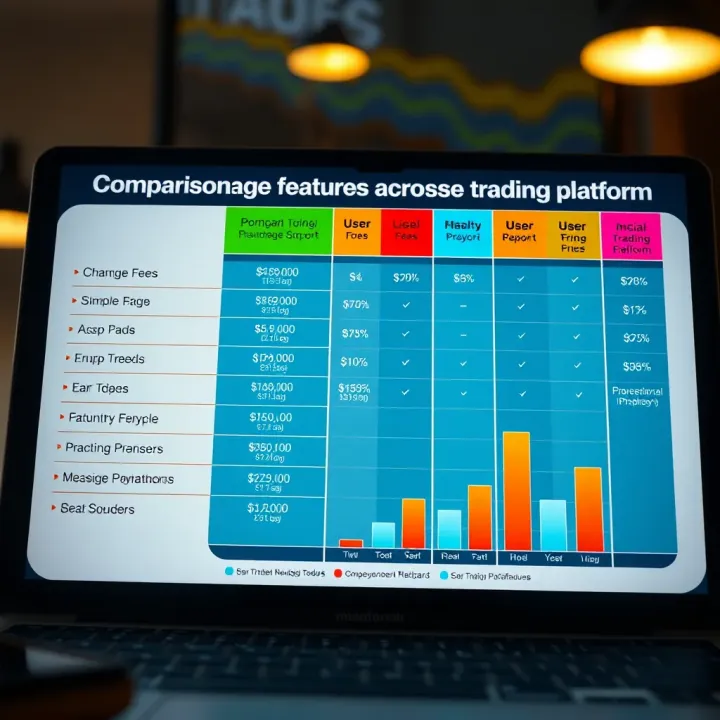
Find the best trading platform for Indian investors with insights on brokerage fees, user experience, customer support, and features tailored to your trading style 📈💻

🔒 Learn how to access your Derive.com account safely with this detailed guide. Discover practical tips for login, password help, account creation, and security tailored for Indian users.
Based on 14 reviews