

Quotex Online Trading Guide for Indian Users
Explore Quotex online trading platform tailored for Indian users 📈. Learn setup, assets, strategies & safety tips to trade smartly and securely.
Edited By
Henry Wright
Choosing the right online trading platform matters a lot for anyone looking to invest or trade in Indian markets. The platform you pick affects your costs, convenience, access to tools, and overall trading experience. Whether you're a seasoned trader eyeing the Sensex or a newbie wanting to start with a small SIP (systematic investment plan), your platform needs to fit your style and needs.
Several factors influence this decision:
Charges and Fees: Brokerage fees, account maintenance, and fund transfer charges can vary widely. A platform could offer zero brokerage on delivery trades but charge higher fees for intraday transactions. It's wise to look beyond just the headline brokerage and factor in all hidden costs.
Ease of Use: A cluttered interface can turn even the best platform into a hassle. Apps like Zerodha Kite, Upstox Pro, and Angel One often get praise for smooth navigation and quick order placements. Ease of use itself can save you money by helping you act swiftly during volatile markets.
Range of Features: If you rely on technical charts, live market news, or integrated mutual fund investment options, check which platforms support these. For example, Groww started as a mutual fund platform but now supports stock trading with portfolio tracking, making it a one-stop shop for many.
Security and Regulation: Ensure your platform is registered with SEBI and follows RBI guidelines. Features like two-factor authentication, end-to-end encryption, and secure payment gateways protect you from fraud.
Customer Support: Quick problem resolution is vital, especially during market hours. A platform with prompt, helpful support via call, chat, or email saves frustration.
Picking an online trading platform is not just about features or fees. It’s about finding a dependable partner that aligns with your trading goals and comfort level.
With platforms like Zerodha, ICICI Direct, 5Paisa, and Sharekhan vying for attention, understanding the nuances helps you avoid common pitfalls. This article will offer detailed insights to help you make the best choice tailored to your Indian market needs.
An online trading platform acts as the bridge between investors and the markets. Understanding how these platforms function helps you make informed decisions when picking one that suits your trading style and goals. For example, you might find one platform easier for share trading, while another better for commodity futures.
Knowing the features and limitations of these platforms can save you time and reduce risks. It also ensures smoother trade execution, which is especially important for investors dealing with high volumes or fast market movements.
Defining trading platforms: Simply put, an online trading platform is software that enables buying and selling of financial instruments like stocks, bonds, commodities, and derivatives over the internet. It connects your orders to stock exchanges such as the National Stock Exchange (NSE) and Bombay Stock Exchange (BSE) electronically.
For instance, Zerodha Kite or Upstox Pro are popular trading platforms widely used across India. They offer tools for placing orders, viewing live prices, and checking market depth in real time.
Role in stock market investing: These platforms do more than just execute trades. They also provide access to charts, company information, market news, and insights to help traders analyse and make decisions. In active trading, even a fraction of a second in order execution can impact profits, which is why reliability matters.
For long-term investors, platforms that offer easy portfolio tracking and integrated mutual fund investments are handy. Hence, the choice of platform affects both how you trade and how comfortably you manage your investments.
Discount brokers vs full-service brokers: Discount brokers, like 5paisa or Zerodha, offer minimal services with lower brokerage fees—sometimes flat or zero brokerage on equity delivery trades. This suits cost-conscious traders who prefer to handle research and decisions themselves.
Full-service brokers such as ICICI Direct or HDFC Securities provide personalised advisory, research reports, and comprehensive customer support but charge higher fees. Investors who want expert guidance or plan diversified portfolios often prefer these platforms.
Mobile apps versus desktop platforms: Mobile trading apps have surged in popularity, thanks to smartphones' widespread use in India. Apps like Groww and Angel Broking allow quick trades from anywhere, with features tailored for users on the go.
Desktop platforms, meanwhile, tend to be more powerful with advanced charting tools and multi-market access, preferred by serious traders at their workstations. Some platforms offer both versions to cover different user needs.
Choosing between these types depends on your trading frequency, preferred tools, and how much you value convenience over depth of features.
The right online trading platform makes a significant difference in managing investments efficiently, reducing costs, and maximising opportunities. Getting familiar with them helps you avoid surprises and pick a platform that fits your trading style perfectly.
Choosing the right online trading platform means looking beyond just brand names or popularity. It's about finding features that support your trading style, help manage risks, and deliver smooth experiences. Let’s break down some key aspects you should check before committing.
Ease of navigation is a big deal. Trading platforms cluttered with confusing menus or hidden options can slow you down, especially when quick decisions matter. For example, platforms like Zerodha Kite offer clean dashboards where placing orders or checking your portfolio feels straightforward even to beginners. Simple layouts and intuitive designs reduce mistakes, which is crucial when the market moves fast.
Customisation options let you tailor the platform to your needs. You might want to arrange chart windows your way, set default order types, or save watchlists on tickers you're tracking. Groww, for instance, offers flexible dashboards letting you adjust what’s visible — this saves time and streamlines the process. If you trade frequently, tweaking the interface to match your workflow makes the experience efficient and less tiring.
Trading isn’t just about stocks. Platforms that provide access to stocks, derivatives, mutual funds, and commodities offer diversified opportunities. Say you're an investor who wants exposure to commodities like gold or crude oil on the Multi Commodity Exchange (MCX) alongside NSE stocks; you’ll want a platform supporting these instruments. ICICI Direct, for instance, covers a broad range which suits those preferring multiple market bets in one place.
Having access to major exchanges like NSE (National Stock Exchange), BSE (Bombay Stock Exchange), and MCX is important. Not all platforms provide all exchanges or derivatives, so ensure your preferred market is covered. Access to liquidity and reliable price feeds on these exchanges affects your trade prices and execution.
Execution speed can make or break a trade, especially for active traders dealing with intraday or high-frequency strategies. Fast execution reduces slippage, meaning the price at which your order is filled is closer to what you expected. Small delays can add up, costing you rupees in missed opportunities.
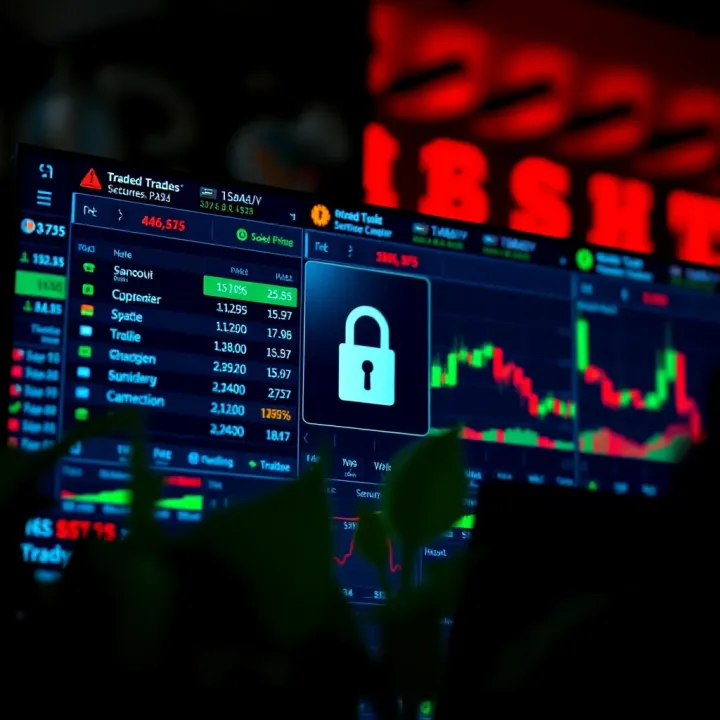
Beyond speed, platform uptime and technical stability are vital. Downtimes during peak market hours or crashes can stop you from placing timely trades. Choose platforms with proven reliability — for example, upstox and Angel Broking have reputation for consistent stability. Look for platforms that run regular updates without disrupting sessions.
Good platforms equip traders with charting tools and technical indicators that help analyse stock trends well. Features like multiple time frames, moving averages, RSI, or Fibonacci retracements can help spot entry or exit points. For instance, trading platforms in India often integrate with services like TradingView for advanced charting.
Apart from charts, market analysis and news updates play a vital role. Real-time news about corporate earnings, economic policies, or global events can impact markets quickly. Platforms like Moneycontrol or HDFC Securities include news feeds and expert analysis that keeps you informed. Staying updated on these helps you avoid unexpected surprises and make informed calls.
To sum up, picking a trading platform isn't only about the cheapest brokerage. Evaluate how user-friendly it is, the variety of markets offered, speed and stability of execution, plus the research tools to guide your decisions. A platform that fits your style will help you trade smarter and with confidence.
When choosing an online trading platform, understanding the various costs and charges involved is crucial. These expenses can significantly influence your overall returns, especially if you trade frequently. Being aware of brokerage fees, account maintenance charges, and hidden costs helps you avoid surprises and pick a platform that fits your budget and trading style.
Brokerage fees are the charges brokers levy when you buy or sell securities. Some platforms offer a flat fee per trade, for example, ₹20 per order regardless of the trade size. Others charge a percentage of the transaction value, such as 0.5% on every trade. If you’re investing smaller amounts, a flat fee might eat into your returns, but for large trades, it can be more economical than percentage charges.
For someone trading multiple times a day, the difference in brokerage models becomes more pronounced. Flat-fee brokers like Zerodha or Upstox appeal to active traders because costs stay predictable. In contrast, percentage-based fees can accumulate quickly with high trading volumes, eating into profits. It’s important to calculate expected costs based on your trade sizes and frequency before settling on a broker.
Holding securities electronically requires a Demat account, which often comes with maintenance fees. Some brokers levy an annual maintenance charge (AMC), ranging from ₹300 to ₹750 per year, like ICICI Direct or HDFC Securities. For low-budget investors or those in smaller towns, these charges can feel burdensome, so it’s worth comparing AMCs while choosing a platform.
Apart from brokerage and AMC, several smaller fees apply per transaction. These include Securities Transaction Tax (STT), Goods and Services Tax (GST) on brokerage, Stamp Duty, and exchange transaction charges. While each is usually a small percentage, together they can affect profitability, especially for day traders. Platforms like Angel Broking often detail these clearly, so you know what to expect.
Many trading platforms offer margin or leverage services, allowing you to trade beyond your capital. However, these come with interest charges called margin funding costs. Rates vary from 10% to 15% annually, and the cost accrues daily. Ignoring these charges can lead to unexpected expenses, particularly if positions are held overnight or longer.
Some brokers require you to maintain a minimum balance in your trading or Demat account. Failure to do so can trigger penalties, such as ₹100 to ₹500 monthly charges. This is common in full-service brokers catering to long-term investors. Platforms like Sharekhan sometimes apply these rules strictly, so check terms carefully if your trading volume fluctuates.
Always read the fine print and review the fee schedule before committing to any trading platform. Understanding all costs upfront allows you to choose a broker that aligns with your investment strategy and keeps your expenses in check.
Security and regulatory compliance form the backbone of any trustworthy online trading platform. In India, where digital trading has seen a rapid surge, it becomes essential to choose platforms that operate within the legal framework and secure your sensitive data. Ignoring these aspects can expose you to financial fraud, data breaches, or even legal complications. This section explains the key security and regulatory factors you should keep in mind while selecting a platform.
The Securities and Exchange Board of India (SEBI) serves as the primary regulatory authority overseeing stock market activities. SEBI ensures transparency and fairness in trading operations, protecting investor interests. When a trading platform complies with SEBI regulations, it signals that it follows prescribed norms such as safeguarding client funds separately and maintaining adequate disclosure.
For instance, SEBI mandates brokers to maintain minimum net worth and implement risk management processes. Trading platforms linked with SEBI-registered brokers are regularly audited for compliance. This reduces chances of malpractice and gives investors some legal recourse in case of disputes.
Another practical consideration is confirming that both the broker and the platform are registered with SEBI and relevant exchanges like NSE or BSE. Registration ensures that the broker/platform has undergone background checks and adheres to operational standards.
Unregistered platforms may operate without proper regulation, increasing risks like fund misappropriation or fake trade reporting. Checking the SEBI website or the exchange portals can help verify a platform’s credentials. A registered broker typically has a registration number visible on their website or app, allowing investors to verify authenticity.
Encryption protects your personal and financial information from hackers during transmission over the internet. Reputed trading platforms use strong encryption protocols like 256-bit SSL (Secure Socket Layer) to secure data.
For example, when you log in or execute trades, encryption ensures that your username, password, payment details, and trade instructions remain confidential. Inadequate encryption can expose you to phishing attacks or data theft, especially on public or unsecured Wi-Fi networks.
Two-factor authentication (2FA) adds an extra layer of security by requiring a secondary verification step beyond passwords. Many platforms send OTPs (one-time passwords) to your mobile or email, or use authenticator apps for this purpose.
This reduces the risk of account takeover even if your password is compromised. Platforms without 2FA leave investors more vulnerable. Choosing a platform offering optional or mandatory 2FA protects your account from unauthorised access effectively.
Facing a technical issue or query during trading can cause losses if unresolved quickly. A good platform offers multiple support channels—phone, email, chat, or even WhatsApp—for timely assistance.
Some platforms provide customer service 24/7, while others function only during market hours. Read reviews to check how responsive and helpful their support is. Well-supported platforms tend to resolve problems faster, reducing your trading risks.
Unauthorized transactions can arise from hacking, phishing, or system glitches. Reputed trading platforms have clear protocols to handle these situations, including immediate account freezing, transaction investigation, and refund mechanisms.
Look for platforms that assure investor protection policies and quick dispute resolution. SEBI has stipulated norms that brokers must follow for compensation in genuine fraud cases. Being aware of these safeguards helps you act promptly if you notice suspicious activity.
Choosing a trading platform with stringent security practices and proper regulatory registration is not just protective—it is vital for safeguarding your investments and peace of mind.
Selecting the right online trading platform depends largely on how well it aligns with your personal trading style, financial goals, and technological preferences. A platform that suits one trader might feel clunky or limiting to another. Before signing up, consider what kind of investor you are, what you want to achieve, and the environment you will trade in regularly.
If you are a long-term investor, your main focus is typically on building wealth gradually by holding stocks over months or years. For this style, platforms offering strong research support, fundamental analysis tools, and easy access to diverse investment options like mutual funds and ETFs are ideal. For example, Zerodha and ICICI Direct cater well to long-term investors by providing extensive educational content and stable account management features.
On the other hand, active traders who buy and sell frequently need platforms excelling in speed and real-time data feeds. Features such as advanced charting tools, fast order executions, and multiple order types matter. Platforms like Upstox or Angel Broking offer low latency and customisable dashboards that fit day trading or intraday strategies effectively.
Understanding your investment instrument preference is equally important. Some platforms may excel at equities and derivatives but offer limited access to commodities or mutual funds. For instance, traders interested in commodity futures must check if MCX trading is supported and if real-time market data is available. Similarly, if you prefer mutual funds or SIPs, platforms integrating easy fund purchases without complicated paperwork can save you plenty of hassle.
With India’s growing internet penetration and mobile usage, mobile accessibility is becoming a must-have. A good online trading platform should have a user-friendly mobile app that replicates the desktop experience smoothly. Mobile apps from Zerodha Kite or Groww let you execute trades on the go, check watchlists, and track your portfolio easily. This flexibility is crucial for those who travel or have limited computer access.
Internet speed requirements also play a key role. Some platforms may freeze or show delays with slow connections, leading to poor trading decisions. If you live in areas with fluctuating broadband quality, choose a platform that handles low bandwidth well or offers a light mode that reduces data usage without compromising core features.
Before finalising, look into feedback on ease of use. Platforms with straightforward navigation and simple interfaces generally help avoid errors and reduce stress, especially for beginners. Real user reviews often mention whether apps crash frequently or if customer support is helpful during critical moments.
Also, consider reports of downtime or glitches. Even a reputed platform is of little use if it goes offline during peak market hours. Checking timely updates from users on social media or app stores can warn you about recurring technical problems that affect trade executions.
Choosing a trading platform is not just about features but how those features support your unique style and situation. Spend time evaluating which platform fits you best — this will save time and money later on.
By matching your trading habits with platform strengths and understanding the tech environment you operate in, you ensure a smoother, more successful trading experience. This careful approach makes your efforts more productive and less frustrating over the long run.
Explore Quotex online trading platform tailored for Indian users 📈. Learn setup, assets, strategies & safety tips to trade smartly and securely.
Explore RBI-authorized forex trading platforms in India 🇮🇳. Learn about regulations, choosing the right platform, safety tips, and avoiding risks in forex trading 📊💱.
🔍 Wondering if Quotex is legal in India? Get insights on online trading laws, platform compliance, and risks to make informed decisions safely. 🇮🇳

Discover how to choose and use a real trading platform in India 🇮🇳✅ Explore key features, safety tips, costs, and expert advice to trade confidently and wisely 📈💡
Based on 7 reviews