

Bonk Crypto Price Prediction and Market Analysis
📈 Discover Bonk crypto's price outlook with expert insights, market trends, and risk factors. A clear guide for Indian investors aiming to navigate short & long-term moves.
Edited By
Ethan Bailey
Crypto fundraising has quickly become a significant avenue for startups and projects in India to secure capital, especially where traditional financing often hits roadblocks. Using blockchain, startups can raise money by offering digital tokens or coins, bypassing some of the usual intermediaries like banks or venture capitalists.
This approach offers speed and global reach, making it attractive not only for technology ventures but also for social initiatives and creative projects. That said, crypto fundraising carries its own set of risks and regulatory uncertainties that investors and entrepreneurs need to understand thoroughly before diving in.

Common crypto fundraising methods include Initial Coin Offerings (ICOs), Security Token Offerings (STOs), and Initial Exchange Offerings (IEOs). ICOs let companies raise funds by selling tokens that typically give holders access to a platform or service. STOs resemble traditional securities and provide investors with ownership rights or profit shares, bringing them closer to regulated financial instruments. IEOs are token sales conducted through established cryptocurrency exchanges, improving trust and marketing visibility.
Despite promises of quick returns, many crypto fundraising ventures have faced scrutiny due to scams, lack of transparency, or failure to deliver on technology. Such instances underline the need for strong investor vigilance and clear regulatory guidelines.
In India, the regulatory framework for crypto fundraising is still evolving. The Reserve Bank of India (RBI) had earlier imposed banking restrictions on crypto businesses, but Supreme Court rulings have eased these constraints. Meanwhile, the Securities and Exchange Board of India (SEBI) monitors investments that classify as securities to protect investors. However, no specific legislation fully governs crypto tokens or fundraising platforms, leaving startups in a grey zone.
For investors and market participants, the key lies in evaluating the project's fundamentals, understanding the token rights, and studying the legal implications. Investors should also watch out for KYC (Know Your Customer) and AML (Anti-Money Laundering) compliance from fundraising platforms.
This article will explore how crypto fundraising works in India, delve into associated risks, and clarify the current legal landscape. It also offers practical guidance on making informed decisions in this rapidly changing environment.
Crypto fundraising has steadily gained ground as a compelling option for raising capital, particularly among startups and blockchain-based projects. Its relevance today stems from the ability to tap a global pool of investors, bypass traditional gatekeepers like banks or venture capitalists, and raise funds quickly with minimum bureaucracy. In India, this approach is gaining traction as businesses look for alternative financing channels beyond crowded equity and debt markets.
Crypto fundraising refers to the process where projects generate funds by issuing digital tokens or coins, usually based on blockchain technology. These tokens often represent access to a service, future profits, or a stake in the project. A practical instance is when a blockchain startup issues tokens to supporters who contribute digital currency like Ether or Bitcoin in exchange. The raised capital helps the startup develop its product or expand operations without going through conventional financial institutions.
This method contrasts traditional fundraising, which includes seeking bank loans, angel investors, or venture capital. While traditional modes involve lengthy paperwork, credit checks, and negotiating equity dilution, crypto fundraising tends to be faster with fewer intermediaries. However, it comes with distinct challenges related to regulatory scrutiny and investor protection.
Traditional fundraising often ties investors directly to company equity or debt obligations, governed by clear legal frameworks. Crypto fundraising typically involves issuing tokens that might not confer ownership rights explicitly but may provide utility or profit-sharing features. For startups, this means more flexibility in fundraising but also facing ambiguity in legal status.
Moreover, crypto fundraising leverages digital platforms and blockchain protocols to automate transactions and governance, eliminating the need for physical documentation or banks. This allows startups to attract investors worldwide instantly, unlike the limits of location-based capital raising.
Global Adoption Trends: Worldwide, crypto fundraising has surged, driven by major campaigns that raised millions within minutes through Initial Coin Offerings (ICOs) or Security Token Offerings (STOs). Countries with tech-savvy investor bases and supportive regulations have seen faster adoption. India’s growing interest follows this global momentum, despite regulatory uncertainties.
Appeal to Startups and Investors: Startups value crypto fundraising for swift access to capital and reduced friction. For investors, it offers access to early-stage opportunities frequently unavailable in traditional markets. The potential for high returns entices many, though it comes with higher risks. The startup behind Polygon, a popular blockchain scaling solution, reportedly raised funds efficiently via crypto tokens, showing practical success.
Technological Enablers: Blockchain platforms like Ethereum and Binance Smart Chain provide programmable, transparent mechanisms to create and distribute tokens. Smart contracts enable automatic execution of fundraising rules, reducing costs and errors. Wallet apps popular in India such as Trust Wallet and MetaMask facilitate easy token transactions for everyday users, further boosting accessibility.
Crypto fundraising is reshaping how capital flows to innovation, especially in markets like India where alternative financing options are needed. Understanding its structure and rise helps investors and entrepreneurs navigate this evolving landscape with clarity and caution.
Raising funds through cryptocurrencies offers innovative ways for startups and projects to access capital swiftly, often bypassing traditional financial gatekeepers. These methods provide transparency, global reach, and faster fundraising cycles, making them appealing for both entrepreneurs and investors. Understanding the common fundraising techniques helps you evaluate opportunities and risks in the crypto space more effectively.
ICOs allow companies to raise funds by issuing their own cryptocurrency tokens directly to investors. Typically, a startup creates a whitepaper explaining the project and sells tokens on a blockchain platform. Participants buy these tokens hoping that their value will increase as the project grows. This method resembles a public crowdfunding campaign but uses blockchain for secure, transparent transactions.
Some ICOs, like Ethereum's early sale in 2014, raised millions, enabling significant development progress. However, many ICOs have faced criticism due to overhyped promises, poor execution, or outright scams. Investors risk losing funds in volatile or fraudulent projects. The lack of regulatory clarity often makes ICOs a double-edged sword, requiring careful due diligence.
Unlike ICO tokens, security tokens represent real-world assets such as equity, debt, or rights to dividends. STOs combine the blockchain’s efficiency with traditional securities laws, offering investors more legal protection. This convergence appeals to more cautious investors wanting regulated exposure to crypto projects.
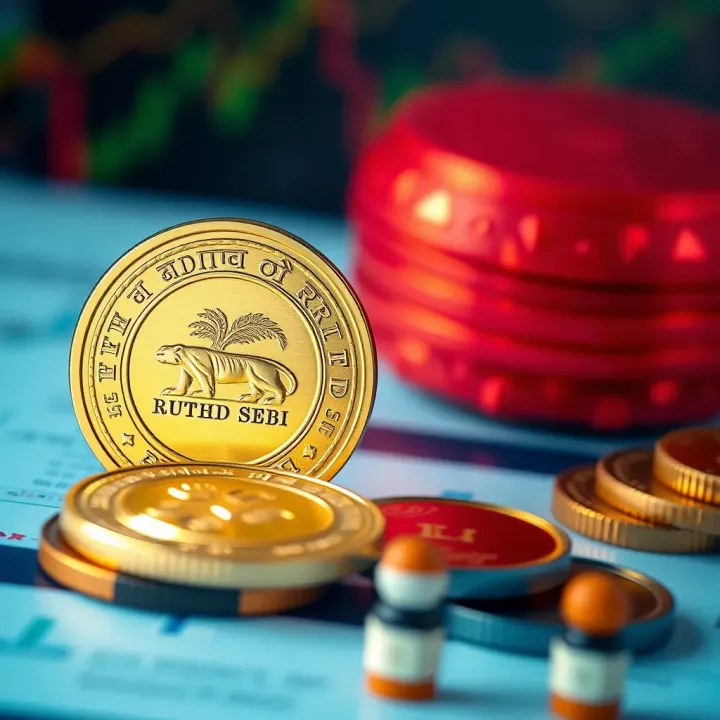
STOs generally require adherence to securities regulations enforced by authorities like SEBI in India. This compliance ensures standard investor safeguards such as disclosure requirements and anti-money laundering checks. While this slows fundraising compared to ICOs, it attracts investors looking for legitimacy rather than pure speculation.
IEOs are hosted on cryptocurrency exchanges, which vet the projects before allowing tokens to be sold to their user base. Exchanges act as intermediaries, handling the sale and providing a level of credibility. They also offer a ready pool of investors and assist with security measures.
IEOs help projects avoid some ICO pitfalls by increasing trust through exchange screening. However, this can come with higher costs for startups and limited access for small investors due to exchange rules. The concentration of power in exchanges means investors must also trust the platform's integrity and security.
DeFi fundraising uses smart contracts on blockchain platforms to enable peer-to-peer capital raising without intermediaries. Projects can create liquidity pools or issue tokens directly through DeFi protocols, allowing real-time fundraising and trading.
For example, Uniswap and Aave enable token swaps and lending, which projects use to raise capital and reward supporters. Indian startups experimenting in DeFi rely on these decentralised platforms to tap global communities without traditional financial constraints.
Each crypto fundraising method carries unique benefits and risks. Familiarity with these techniques enables smarter investment and business decisions in India's evolving crypto landscape.
Crypto fundraising is reshaping how startups in India and worldwide gather capital. While it opens doors to new opportunities, it also brings distinct challenges. Understanding both sides is essential for anyone looking to engage with crypto-based capital raising.
One big advantage is the ability to tap into a worldwide pool of investors without restrictions typical of traditional fundraising. A Bengaluru-based fintech startup could find backers from Singapore or Germany overnight. This global reach helps projects gain broader support and diverse funding sources, which is harder through conventional channels limited by geography and regulation.
For investors, this means more options beyond local markets, letting them diversify portfolios with innovative projects otherwise inaccessible. However, it requires awareness of international laws and potential complications.
Traditional crowdfunding or venture capital rounds can drag on for months or even years. In contrast, crypto fundraising uses blockchain-enabled platforms to streamline raising funds quickly—sometimes within days or weeks. This speed benefits startups that need capital bursts to scale fast.
For example, a startup launching an Initial Coin Offering (ICO) could raise lakhs or crores in a few weeks, bypassing tedious investor meetings and paperwork. Faster fundraising also aids in quicker implementation of ideas but demands readiness to manage rapid fund inflows responsibly.
Crypto assets have shown rapid price appreciation, offering investors the chance for substantial gains. Early supporters of projects like Polygon or Axie Infinity saw multi-fold returns in a short span. This potential attracts risk-tolerant investors aiming to beat traditional market returns.
Startups also benefit by offering tokens that may increase in value, aligning incentives with investors. Yet, high returns come with high risks—something every participant must keep in mind.
One serious concern is extreme price swings inherent in cryptocurrencies. A token's value can soar one day and plummet the next due to speculation or market sentiment. For example, Bitcoin has seen volatility exceeding 10% within single days several times.
For investors, this means sudden losses; for startups holding tokens instead of fiat, it may disrupt operational budgets. Volatility adds an unpredictable layer that participants must manage actively.
The crypto space has its share of fraudulent schemes and pump-and-dump patterns. Unscrupulous actors sometimes launch fake ICOs or exit scams, draining investors' money before disappearing.
Indian authorities have repeatedly warned about unregulated platforms and dubious promises. Investors should be vigilant about project credentials, team backgrounds, and community feedback to avoid falling prey.
Unlike stock markets regulated by bodies like SEBI, crypto fundraising often operates in legal grey areas. Many platforms do not offer dispute resolution mechanisms or safety nets for investors.
This absence means losses from scams or failed projects usually remain unrecoverable. For startups, it increases responsibility to maintain transparency and trust, as losing reputation in a tight-knit community can be costly.
Understanding these advantages and pitfalls helps traders, investors, and financial analysts navigate India’s emerging crypto fundraising landscape more confidently, balancing opportunity with caution.
Understanding the legal and regulatory environment is vital for anyone involved in crypto fundraising in India. With evolving rules and ongoing debates, this landscape shapes how startups raise funds and influences investor confidence. For traders, investors, and market analysts alike, staying updated on these regulations helps navigate risks and ensures compliance.
The Reserve Bank of India (RBI) and the Securities and Exchange Board of India (SEBI) are the main authorities guiding crypto-related activities. While the RBI has expressed caution due to concerns about financial stability and illicit activities, it has not imposed an outright ban on cryptocurrencies. Instead, the central bank restricts banking for some crypto-related businesses, impacting liquidity and payment settlements.
SEBI’s focus remains on ensuring investor protection in crypto fundraising, particularly for offerings resembling securities. For instance, Security Token Offerings (STOs) fall under SEBI’s purview, requiring adherence to securities laws to safeguard investors from fraud. These guidelines push startups to maintain transparency and meet disclosure norms if they plan such offerings.
The government’s recent stance walks a tightrope between regulation and innovation. While there is no comprehensive law yet, proposals like the Cryptocurrency and Regulation of Official Digital Currency Bill aim to regulate cryptocurrencies strictly. Meanwhile, the government supports blockchain use and digital assets controlled by it, such as the central bank digital currency (CBDC). This cautious but open approach influences how crypto fundraising can evolve in India.
Startups engaging in crypto fundraising must consider licensing and registration seriously. Depending on the fundraising method, seeking registration under SEBI norms or other authorities is necessary. For example, STO issuers need SEBI approval, while certain crypto exchanges require registration with the RBI or comply with KYC/AML (Know Your Customer / Anti-Money Laundering) rules. Non-compliance can lead to penalties or shutdowns.
Tax implications also play a critical role. Income from crypto transactions, including fundraising proceeds, is taxable under Indian law. Since 2022, a 30% tax applies to gains from the transfer of cryptocurrencies, without allowance for losses from other sources. Additionally, a 1% Tax Deducted at Source (TDS) applies on transactions above ₹10,000 per year. Investors and startups must factor these taxes into their planning to avoid surprises.
The ambiguous regulatory environment poses clear challenges for startups. Many hesitate to launch crypto fundraising campaigns fearing sudden policy shifts or enforcement actions. This uncertainty makes it hard to attract serious investors who prefer well-regulated markets. For example, some promising Indian blockchain startups have shifted their fundraising to overseas platforms to bypass unclear rules.
Investor caution naturally rises in an unclear legal climate. Without firm regulations, scams and fraudulent schemes can flourish, eroding trust. Investors become wary, conducting thorough due diligence or avoiding crypto fundraising altogether. This hesitation slows down the growth of India’s crypto ecosystem despite the high potential.
Navigating India’s crypto fundraising requires keeping a close eye on regulatory updates and aligning strategies with legal expectations to ensure success and safety.
In sum, the current legal framework, compliance demands, and ongoing uncertainty deeply influence crypto fundraising in India. Being informed and cautious helps stakeholders make better decisions in this fast-changing arena.
Engaging in crypto fundraising requires a careful approach to balance opportunities with risks. Whether you are an entrepreneur looking to raise capital or an investor willing to participate, knowing how to navigate this space safely is essential. Practical tips help avoid pitfalls, ensure compliance, and build trust, which are critical in India's evolving regulatory scenario.
Ensuring transparency is vital for entrepreneurs aiming to attract investors. Openly sharing project details, financial plans, and tokenomics not only builds credibility but also strengthens investor confidence. For example, publishing a clear whitepaper with real-world use cases and team backgrounds helps establish trust. Transparent communication also means timely updates about milestones or challenges, which reduces speculation and misinformation.
Working within legal limits protects entrepreneurs from regulatory penalties and reputational damage. India’s crypto rules are in flux, but guidelines from the Reserve Bank of India (RBI) and Securities and Exchange Board of India (SEBI) provide direction. Startups must comply with Know Your Customer (KYC) norms, Anti-Money Laundering (AML) measures, and registration where applicable. Ignoring these can result in project shutdown or fines. Consulting legal experts to stay updated about compliance keeps fundraising efforts safe and long-lasting.
Selecting trustworthy platforms is crucial since many scams have emerged due to rogue crypto exchanges or fundraising sites. Entrepreneurs should carefully vet platforms for history, regulatory adherence, and security features like two-factor authentication (2FA). Using well-established Indian exchanges with proper SEBI registration or international platforms with a reputable presence makes a big difference. Trustworthy platforms also provide escrow services and transparent fund releases, safeguarding both parties.
Due diligence steps are non-negotiable for investors ready to back crypto projects. This involves researching the team’s track record, technology robustness, and community reputation. Tools like on-chain data analytics or expert forums can be handy. Verifying if the project is compliant with Indian laws or adheres to global standards goes a long way in minimising losses.
Recognising red flags helps investors avoid frauds common in crypto fundraising. Warning signs include vague whitepapers, unrealistic return promises, anonymous teams, and pressure tactics to invest quickly. Projects lacking clear roadmaps or with unverified partnerships demand caution. Investors should be especially wary of requests for private keys or unregulated tokens.
Diversification strategies reduce risk by spreading investments across multiple crypto projects or asset types. Given crypto market volatility, putting all eggs in one basket can be dangerous. Combining established tokens with smaller, promising startups creates a balanced portfolio. Besides, setting limits on exposure per project keeps potential losses manageable.
Remember, crypto fundraising looks exciting but proceeds smoothly only with caution and informed decisions. Entrepreneurs and investors both benefit from a clear understanding of transparency, legalities, platform trustworthiness, due diligence, red flags, and diversification.
Adopting these practical tips will help you engage with crypto fundraising confidently and safely, even as regulations evolve in India.
📈 Discover Bonk crypto's price outlook with expert insights, market trends, and risk factors. A clear guide for Indian investors aiming to navigate short & long-term moves.

📊 Explore crypto market moves and expert insights for the week ahead. Stay updated on major coins, price trends, and Indian regulations shaping investor decisions.

Discover the best time for forex trading in India ⏰ by understanding global market sessions and IST overlap. Maximise returns with practical trading tips and session insights 🌏💹.

📉 Explore how range markets behave, spot their signs, and master trading strategies tailored for them, focusing on factors and impacts in India's market.
Based on 11 reviews