
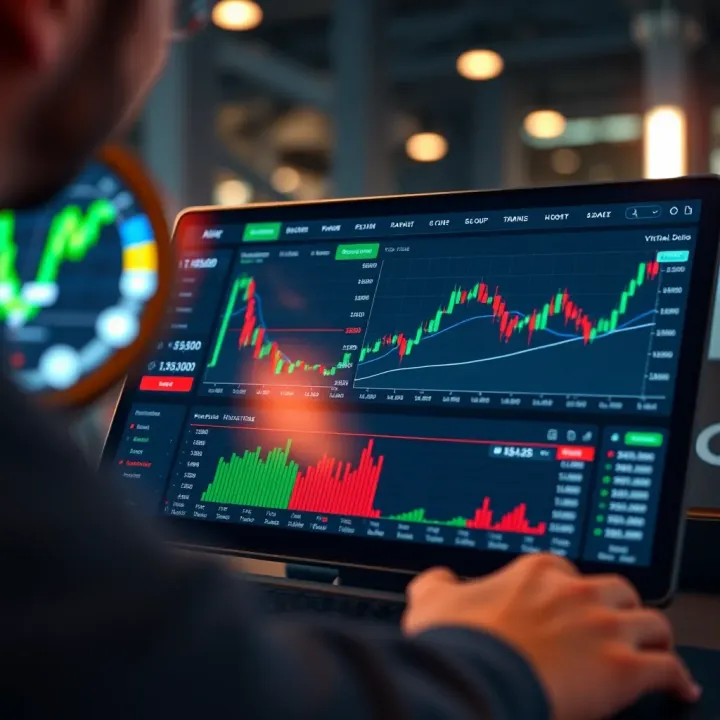
Understanding Trading Demo Apps: A Practical Guide
Explore how demo trading apps help Indian beginners practise stock market investing risk-free 📈, discover key features, and learn to shift safely to live trading ₹.
Edited By
Isabella Wright
Crypto demo trading apps provide a helpful starting point for anyone keen to learn cryptocurrency trading without risking real money. In India, where crypto adoption is growing fast but market volatility remains high, these apps offer a practical way to build skills and confidence.
Demo apps create a simulated trading environment using virtual money. This lets users experiment with buying, selling, and managing cryptocurrencies like Bitcoin and Ether under market-like conditions. The key advantage is that no real losses occur, allowing you to sharpen your strategies and understand market behaviour at your own pace.
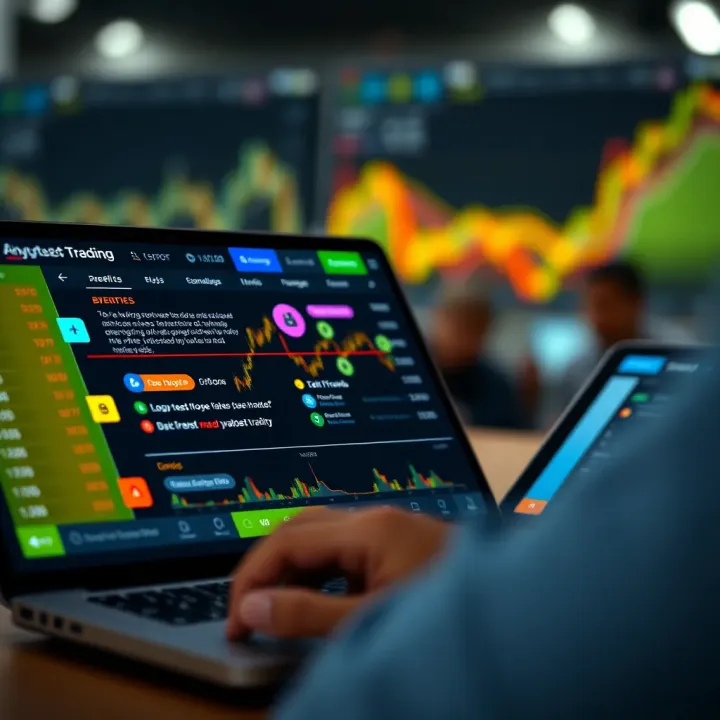
For many traders and investors, demo trading is like a rehearsal before the real performance.
These apps typically include features such as:
Live price feeds reflecting real market rates
Access to various crypto pairs for trading practice
Tools for technical analysis like charts and trend indicators
Virtual portfolio management to track profits and losses
Users can test ideas like momentum trading or scalping without stress. For example, if you want to try intraday trading Bitcoin against the US dollar, a demo app will help you understand price swings and order execution without risking ₹10,000 or more.
Moreover, these apps are especially valuable for those unfamiliar with crypto platforms. They ease the learning curve of using wallets, placing orders, and managing risk.
India’s regulatory environment for cryptocurrencies remains uncertain, so demo trading also helps you learn how to navigate platforms safely without regulatory exposure.
In summary, crypto demo trading apps provide a safe playground where you can explore real market dynamics, develop trading discipline, and prepare yourself for live trading conditions. For serious traders, they are an essential step before risking actual capital.
A crypto demo trading app is a platform that allows users to practise buying and selling cryptocurrencies without using real money. These apps are especially useful for beginners wanting to understand how crypto markets work before risking their capital. Indian traders can experiment with various strategies, get familiar with market volatility, and learn trade execution, all in a risk-free environment.
Demo trading apps offer a simulated trading experience by providing virtual funds for users to trade cryptocurrencies like Bitcoin, Ethereum, and Ripple. The main purpose is to help users build trading skills without financial consequences. For instance, someone new to crypto can observe how market orders and limit orders work, or test how news events affect price movements, without fear of losing money.
These apps often cater to both new investors and experienced traders aiming to trial new strategies before deploying them in the live market. It’s like practising driving in a simulator before hitting busy city roads.
To mimic real trading as closely as possible, demo apps use actual market data like live price feeds and order book information from global crypto exchanges. This means price fluctuations, spreads, and transaction timings reflect what you’d typically find on platforms such as WazirX or CoinDCX.
However, since no real money is involved, sometimes the emotional pressure of risking capital is missing. Nonetheless, the execution of trade types, margin effects, and portfolio changes behave just like in live trading, giving users realistic practice.
For example, if Bitcoin’s price drops suddenly by 5%, your virtual portfolio adjusts accordingly, showing gains or losses exactly as it would happen in real trading.
Crypto demo apps generally include:
Virtual Wallets: Fund your account with fake money (often ₹1 lakh or more) to start trading.
Multiple Asset Options: Trade popular coins such as BTC, ETH, and newer tokens.
Real-Time Market Data: Access live price charts and order books.
Technical Analysis Tools: Use indicators like moving averages, RSI, and MACD.
Order Types: Execute market, limit, and stop-loss orders.
Performance Tracking: Review profitable trades, losses, and portfolio growth.
Apps like eToro or TradingView’s paper trading feature are good examples offering rich demo environments. They also support mobile and desktop usage, so you can practise anywhere.
Demo trading apps act as training grounds, helping you make informed decisions when you switch to live crypto trading with your real money on platforms popular in India.
Starting with a demo app reduces the steep learning curve and prepares you better for the unpredictable nature of cryptocurrency markets.
Stepping into the world of cryptocurrency trading can be daunting, especially for beginners. Using a crypto demo trading app allows traders to learn market mechanics without risking their hard-earned money. These apps simulate real trading environments where you can observe how price movements, order books, and market sentiments work. For instance, you might see how sudden news events affect Bitcoin prices or how altcoins fluctuate with trending sentiments, all without financial exposure.
Understanding market behaviour is key in crypto trading, but learning through trial and error with real money is risky. Demo trading apps give you virtual capital to experiment with real-time market data. You can study how factors like volatility or liquidity impact trade execution. For example, if you’re curious how a crowded market affects slippage, the demo platform will show this clearly. Because there is no financial loss, you can afford to make mistakes and learn from them patiently.
Trying strategies on a demo app helps refine your approach before committing actual funds. Suppose you want to try scalping on Bitcoin with small profits per trade or test a swing trading method using Ethereum's chart patterns. Demo trading lets you validate these ideas in live-like scenarios. This practice ensures you understand the nuances and risks when applying technical indicators or stop-loss orders. Also, it helps reveal unrealistic expectations; not all strategies work the same way under market stress.
Demo trading boosts your confidence by familiarising you with trading tools, order types, and market flows. Typically, new traders hesitate to enter live trades due to fear of loss. Practising without stakes teaches discipline and emotional control. For example, after several demo sessions, you will recognise when to avoid impulsive trades during unpredictable market swings. Besides, it sharpens decision-making under pressure, a skill vital when you start real trading with your ₹5,000 or ₹50,000 investment.
Using demo trading apps is like flying a flight simulator before piloting a real aircraft — it prepares you for the real challenges without endangering your money or peace of mind.
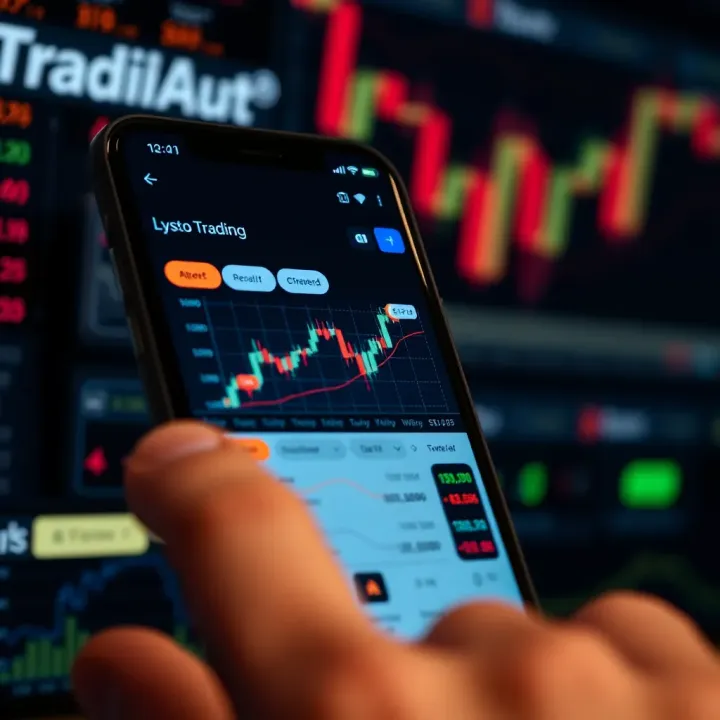
By taking advantage of demo platforms, Indian traders get a solid foundation to handle live crypto markets calmly and strategically. It is a valuable step, not an optional one, for anyone serious about crypto investing.
Selecting the right crypto demo trading app is vital for gaining meaningful practice without risking real money. Each app offers different features that affect how closely it simulates actual trading, how easy it is to use, and what learning opportunities it provides. Knowing what to look for helps you pick a platform that suits your trading style and goals.
A straightforward user interface (UI) matters a lot, especially if you are new to crypto trading or technology itself. An app cluttered with too many buttons or confusing menus can distract from learning important concepts. Look for apps with clear layouts, intuitive menus, and easy navigation. For instance, CoinMarketCap’s demo version provides simple dashboards where beginners can quickly see their portfolio and place orders without hassle. Ease of use speeds up the learning curve and reduces frustration.
Since crypto markets are diverse, having access to a wide selection of cryptocurrencies is helpful. Platforms that cover major coins like Bitcoin, Ethereum, and emerging tokens allow you to explore different market behaviours. Moreover, access to comprehensive market data like volume, market capitalisation, and recent trades enriches your practice. For example, apps integrating data for over 100 coins give you a broader perspective, helping you test strategies across volatile as well as stable assets.
Timing matters in crypto trading where prices can swing quickly. Demo apps that update prices in real-time or near real-time better replicate live markets. Some apps update prices only every few minutes, which can limit practice in fast-moving situations. Look for platforms with instant price feeds to experience the emotional and strategic challenges of trading on live data.
Technical analysis tools, like candlestick charts, RSI (Relative Strength Index), and moving averages, are indispensable for serious traders. A good demo trading app includes multiple charting options and indicators that let you test strategies effectively. For example, an app offering overlay functions or drawing tools enables users to mark support and resistance levels, making learning more hands-on and insightful.
Mobile access is essential for today’s traders who check markets on the go. The chosen app should be compatible with popular mobile platforms like Android and iOS, offering smooth performance without lags. Features like offline access or notifications help stay updated even outside desktop environments. Apps like TradingView and eToro demo versions have highly rated mobile apps that balance functionality and convenience.
Choosing a demo trading app with a clean interface, diverse coin coverage, real-time prices, powerful analysis tools, and reliable mobile access will prepare you better for actual crypto trading scenarios. This approach reduces surprises when you move from virtual practice to real investments.
Concentrating on these aspects ensures that your practice time is productive and mirrors live market conditions closely, reducing the gap between demo experience and real trading.
Demo trading apps let you practise crypto trading in a risk-free way. For Indian users, choosing the right platform matters because of local market conditions and user preferences. This section reviews some popular apps accessible in India, their features suited for Indian traders, and compares them based on usability, fees, and asset support.
Apps like CoinSwitch Kuber, WazirX, and Zerodha Console's Coin app have demo options or simulation environments that attract many Indian crypto enthusiasts. CoinSwitch Kuber is known for its simple interface, allowing newcomers to explore trading with virtual coins. WazirX offers a robust demo setup integrated with real-time market data, helping users simulate live trades closely. Zerodha’s Coin app, mainly popular for mutual funds, extends demo-like practice for crypto through its user-friendly platform, benefiting traders familiar with traditional markets.
Besides these, international platforms like eToro and Binance Futures testnet also enjoy popularity due to their vast crypto selections and advanced features. Though primarily global, these platforms support Indian users well and provide comprehensive demo trading tools to practise strategies without risking real money.
Indian traders look for easy-to-navigate interfaces in multiple Indian languages, and apps like CoinSwitch Kuber address this need smartly. Also, integration with UPI or popular payment gateways for quick transfers can be useful for seamless future transitions to live trading. Real-time updates aligned with Indian trading hours and GST compliance details add local relevance.
Technical analysis tools and charting features tailored for Indian market trends help users make informed decisions. Some platforms offer tutorials and webinars specifically designed for Indian audiences, covering regulations by SEBI or RBI pronouncements, which is a big plus.
Mobile compatibility is especially important given India’s mobile-first user base. Apps optimised for super-fast data usage without compromising features score higher among Indian traders, especially those outside metro areas with limited connectivity.
| Platform | Usability | Demo Fees | Supported Assets | | --- | --- | --- | --- | | CoinSwitch Kuber | Simple, intuitive | Free | Major cryptos + INR pairs | | WazirX | Advanced but user-friendly | Free | Wide crypto range + futures | | Zerodha Console's Coin | Familiar for equity traders | Free | Selected cryptos, mutual funds| | eToro | Professional-grade | Free | 120+ cryptos + stocks | | Binance Futures Testnet | Complex, for experienced | Free | 100+ cryptos + futures |
While all demo apps are free to use, transitioning to live trading will incur typical trading fees and charges specific to each platform. CoinSwitch and WazirX stand out for combining ease with a good asset range, making them suitable for freshers. For more advanced traders, eToro and Binance offer greater depth but with a steeper learning curve.
Choose a demo app that balances ease of use with features you plan to use live. Practising on the right platform can save time and prevent costly mistakes later.
This understanding helps Indian traders pick a demo trading app that fits their skill level and prepares them for the dynamic crypto market ahead.
Getting started with a crypto demo trading app is the first step towards building practical trading skills without risking real money. These apps provide a controlled environment to test strategies, understand market movements, and gain confidence. Here's how you can begin effectively.
Begin by registering on the demo platform of your choice, such as CoinSwitch Kuber’s demo mode or WazirX testnet, which are popular with Indian users. The sign-up process usually requires a valid email or mobile number. Once registered, you'll get access to a virtual wallet loaded with simulated funds—say ₹10 lakh in virtual currency—which resembles real money.
This wallet lets you buy, sell, or hold cryptocurrencies as if you were trading with real funds. For example, you might use your virtual wallet to purchase Bitcoin at current market rates, tracking its fluctuations through the app. Always check if the demo app updates prices in real-time to align your practice with live market conditions.
Once set up, start placing trades based on your research or gut feeling, just like live trading. It’s common to begin by exploring simple buy and sell orders before attempting more complex strategies such as limit or stop-loss orders.
Keep a close watch on your portfolio performance. Most apps offer dashboards that show how your trades are performing, total profits or losses, and the overall balance of your virtual wallet. You can experiment with different trade durations—from quick intraday moves to longer holds—to see how each affects your results.
For instance, you might try buying Ethereum and holding it through a day of market fluctuations, then selling it to observe the gains or losses. Use these moments to learn how timing affects your outcome.
Tracking your trading progress helps identify what works and what doesn’t. Record your trades, note down reasons behind each decision, and review outcomes regularly. Some demo apps allow you to export trade histories or set personal goals.
Use this feedback to refine your strategies. Say you notice you do better with short-term trades or that you benefit from diversifying across crypto assets. Adjust your trading approach accordingly.
Regularly analysing your trades is key to turning demo trading into a useful learning tool. It enables you to spot patterns and refine your skills before moving to real money.
By following these steps, you'll transform the demo experience from merely playing with virtual coins into developing well-grounded trading habits suited to India's dynamic crypto market. This groundwork is essential before handling real investments, helping you to navigate the market smarter and with more confidence.
Using crypto demo trading apps gives beginners a safe space to learn, but it comes with its set of challenges. Recognising these pitfalls early helps traders avoid mistakes that could hurt them once real money enters the picture.
One major challenge is the psychological gap between demo and live trading. In demo mode, you’re risking virtual money, so emotions like fear or greed rarely surface. In real trading, the stakes are actual rupees, which means feelings of anxiety or over-eagerness can cloud judgement. For example, a trader might repeatedly try risky moves on a demo app but become overly cautious or panic sell when real funds are involved. To bridge this, start by practising disciplined decision-making during demo trades and remind yourself about risk management. Try treating virtual funds as real, setting limits on position sizes and losses.
It’s easy to feel invincible using a demo app because losses don't really hurt. This can breed overconfidence and lead to taking unnecessary risks later with real money. For instance, a user might succeed repeatedly in demo mode, then rush into high-leverage trades on a live platform without full understanding. To avoid this trap, keep a trading journal even in demo trading. Record your wins and losses, note down what worked and what didn’t. Reviewing this helps maintain humility and recognise that market conditions can change suddenly in live trading.
Demo apps attempt to imitate live markets but can’t capture all real-world factors. Market liquidity, slippage (price differences when orders execute), and sudden news impacts might be absent or softened in simulations. For example, your demo trade could fill instantly at a certain price, but real trades might face delays or worse rates. Be cautious not to assume that past demo performance guarantees similar live results. Always plan for variance and keep a buffer for unexpected scenarios in your live trading strategies.
Demo trading is a valuable starting point but not the final step. Understanding its limits and your own psychology prepares you for a smoother transition to real crypto trading with better risk control and realistic expectations.
By being aware of these common challenges—psychological differences, overconfidence risks, and simulated market limitations—you can use demo trading apps more effectively to build skills and prepare yourself for actual investing.
Transitioning from demo to real cryptocurrency trading requires a clear plan and steady mindset. Demo trading apps simulate market conditions well but real trading brings genuine emotion and financial risk. It’s important to approach this shift cautiously, ensuring you’re ready mentally and financially.
Switching from a demo account to a live trading account is more than just clicking a button. It involves setting up a verified account on a trusted crypto exchange like WazirX or CoinDCX, completing KYC (Know Your Customer) procedures, and understanding the platform’s fees and withdrawal policies. Start by trading small amounts to get comfortable with live order execution and the speed at which market events unfold.
Keep in mind that demo accounts offer no real consequences, so your decisions are naturally less pressured. Live trading demands discipline, as losses can affect your actual funds and emotions. A gradual transition, with starting capital you can afford to lose — say ₹5,000 to ₹10,000 initially — helps build real-world trading experience without significant financial risk.
Risk management directly impacts your longevity as a trader. Begin with small investments to limit potential losses while you adapt to live trading. Use stop-loss orders tactically to protect your capital if the market moves against your position unexpectedly.
Avoid the temptation to increase investment sizes too quickly based on demo successes. Real markets include slippage, liquidity variations, and emotional factors that can cause outcomes to differ from simulation. For example, if Bitcoin’s price unexpectedly spikes or dips sharply, a tight stop-loss ensures you don’t lose more than your risk tolerance allows.
Keep your portfolio diversified instead of putting all funds into one cryptocurrency. Allocating small portions to stablecoins like USDT and promising altcoins balances the risk and can stabilise returns.
Crypto markets are highly volatile and influenced by rapid news cycles, regulatory updates, and technological developments. Continuously learning will help you adapt and avoid costly mistakes.
Subscribe to reliable Indian crypto news portals, follow RBI and SEBI notifications affecting cryptocurrencies, and participate in online forums like WazirX community or Crypto Twitter to stay updated. Regularly revisiting trading strategies and sharpening technical analysis skills keeps you prepared.
Consistent learning and prudent risk management are key to successful real crypto trading after demo practice. Treat your early trades as part of ongoing education rather than quick profit schemes.
By preparing thoughtfully, managing risks carefully, and staying informed, you can turn your demo trading experience into practical, sustainable success in the live crypto market.
Explore how demo trading apps help Indian beginners practise stock market investing risk-free 📈, discover key features, and learn to shift safely to live trading ₹.
📊 Explore forex demo trading apps safely in India! Learn their features, benefits & tips for beginners to practise trading with virtual money before investing real ₹₹.
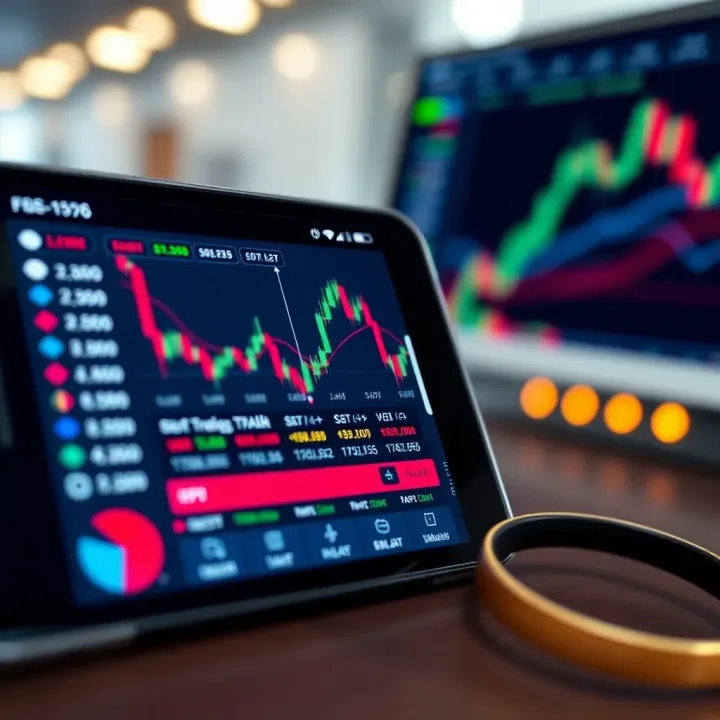
Explore key features, security, and user experience to select the best app for binary trading in India. Learn expert tips for safer trades and smarter decisions 📱💹
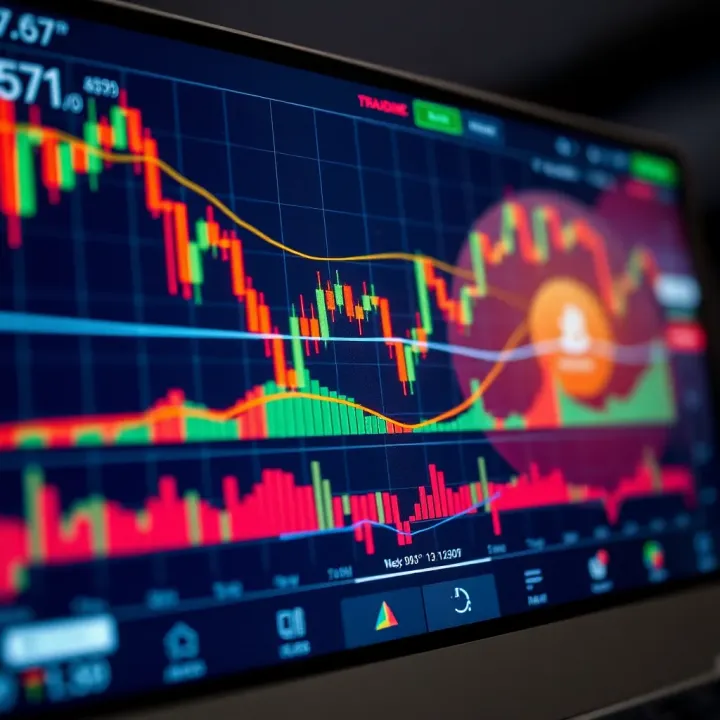
📈 Learn how demo accounts let you practise trading strategies risk-free, set up easily, avoid common mistakes & transition smoothly to live markets with confidence.
Based on 10 reviews