
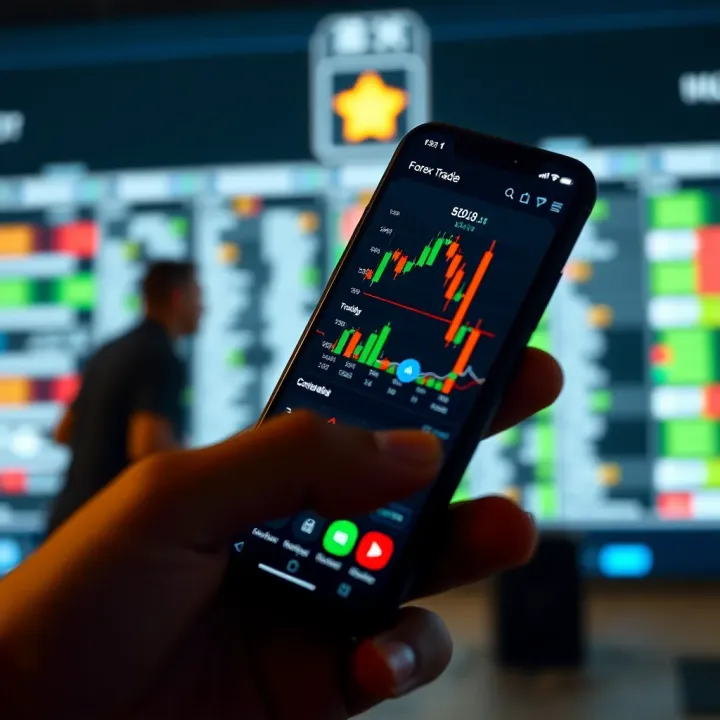
Best Forex Paper Trading Apps for Indian Traders
📱 Discover top forex paper trading apps for Indian traders to practise currency trading risk-free. Learn key features, benefits, and tips to trade smartly before using real money.
Edited By
Sophia Clarke
Forex trading apps have become an essential tool for individual traders in India looking to navigate the global currency markets efficiently. These mobile platforms enable access to live forex prices, charting tools, and order placement from anywhere, cutting down the need for desktops or brokers. With international currencies fluctuating every moment, having a reliable app can make a significant difference in seizing the right trading opportunities.
Trading foreign exchange through apps offers convenience but also comes with risks unique to the volatile nature of forex. Many traders in India still wonder how to determine which app provides robust security, user-friendly design, and compliance with regulatory norms set by authorities like the Securities and Exchange Board of India (SEBI).
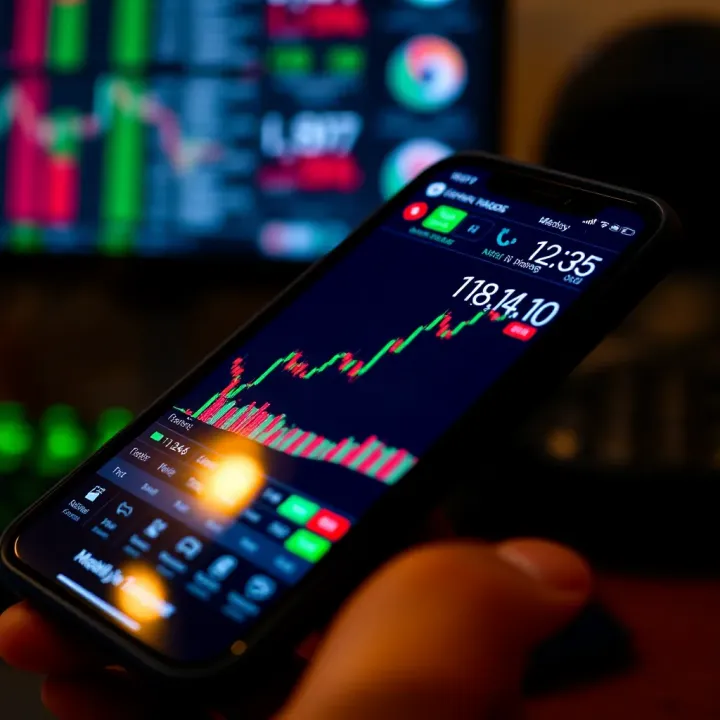
This guide will help you recognise the core features a trustworthy forex trading app should offer, such as real-time data, low latency, secure payment gateways, and risk management instruments like stop loss and limit orders. It will also touch upon the importance of checking whether the app supports multiple currency pairs relevant to Indian users and integrates with widely used payment options like UPI and net banking.
Always prioritise platforms that follow regulatory guidelines and use encryption tech to safeguard your funds and personal data.
Practical tips will include choosing apps with transparent fee structures and easily accessible customer support channels. You will also learn about common pitfalls, such as apps with hidden costs or those promoting unrealistic profit claims.
Understanding the regulatory landscape, security measures, and features helps traders in India make informed choices and trade forex confidently while managing their risk exposure effectively.
Grasping how forex trading apps function is key to making informed decisions in the fast-moving currency market. These apps bring global forex markets to your mobile device, allowing you to trade, monitor price changes, and manage your account anywhere in India. Knowing their features helps you spot tools that match your trading style and reduce risks.
The currency exchange market, or forex, is where traders buy and sell different currencies, aiming to profit from fluctuations in exchange rates. This market runs 24 hours, five days a week, covering financial centres in Asia, Europe, and America. For Indian traders, understanding this continuous cycle is crucial as it affects trading time and strategy.
Major currency pairs involve the most traded currencies globally—such as USD/INR (US Dollar and Indian Rupee), EUR/USD (Euro and US Dollar), and GBP/USD (British Pound and US Dollar). Trading operates by speculating on whether one currency will strengthen or weaken against another. For instance, if you expect the US Dollar will rise against the Rupee, you buy USD/INR pairs hoping to sell later at a higher price.
Forex trading apps offer real-time price tracking and charting tools that let you monitor exchange rates by the second. With various chart formats and technical indicators, you can analyse market trends quickly. For example, spotting the RSI (Relative Strength Index) or moving averages can help decide when to buy or sell.
Order execution in these apps is designed to be swift and reliable, supporting types like market orders, limit orders, and stop-loss instructions. Quick execution matters because currency rates can shift in moments; a delay might mean losing a good entry or exit point.
Managing your account and transferring funds directly through the app adds convenience. You can deposit or withdraw money through UPI or net banking linked to your trading account without logging into separate platforms. This seamless flow helps you act fast, especially during volatile market phases.
Understanding these app functionalities helps you trade more confidently and efficiently, essential in a dynamic market like forex where seconds count.
Choosing the right app tailored to your needs, combined with solid forex knowledge, puts you in a better position to navigate India’s growing forex trading space effectively.
Forex trading apps have brought a major shift in how Indian traders participate in the currency markets. They offer clear advantages that make forex trading more accessible, timely, and efficient than ever before. For traders juggling busy schedules or based outside metro cities, these apps provide a straightforward way to stay connected with the market.
Trading anytime and anywhere is perhaps the biggest perk of forex trading apps. Unlike traditional trading floors or desktop platforms, mobile apps allow users to trade on the go — be it during lunch breaks, while travelling, or even late at night when overseas markets move. For instance, a trader in Pune can execute currency trades swiftly without waiting to reach an office PC. This flexibility ensures that opportunities aren't missed due to timing constraints or location.

Modern trading apps also cater to low-bandwidth Indian internet conditions. They compress data and offer intuitive navigation so traders in smaller towns with slow connections still get real-time updates. This means you don’t have to be based in Bengaluru or Mumbai to trade forex actively.
User-friendly interfaces tailored for mobiles matter a lot in encouraging traders to adopt these apps seamlessly. Many Indian brokers design their apps with simple layouts, easy menu flows, and quick order placements that reduce execution time. Features like swipe gestures to switch between charts or tap-to-set stop-loss orders help even beginners trade confidently.
Consider how an app like Zerodha Kite simplifies multiple currency pair tracking by allowing custom watchlists and personalised alerts on its mobile interface. This user focus is vital because clunky designs often discourage regular use, especially for those new to forex.
Trading decisions hinge on swift access to accurate data, and forex apps deliver this through technical indicators and charting features. Users can apply moving averages, RSI (Relative Strength Index), Bollinger Bands, and other indicators directly within the app to analyse price movements. Seeing candlestick patterns or volume histograms on your phone aids in spotting entry and exit points on the fly.
Take the example of an analyst tracking USD/INR volatility. They can instantly overlay Fibonacci retracements or pivot points on the chart during a market swing, helping refine trades without switching devices.
Furthermore, recent updates in many Indian forex apps integrate news feeds and market alerts relevant to global currency trends as well as India-specific economic events. Receiving instant push notifications about RBI rate announcements or geopolitical tensions keeps traders ahead of price reactions.
These alerts let you act quickly — say closing a position before unexpected volatility sweeps the market. Apps like Angel Broking provide curated news snippets and customised alerts, saving traders hours of manual research.
The combination of accessibility, intuitive design, and built-in analysis tools makes forex trading apps a practical choice for Indian traders aiming for timely, informed decisions in a fast-moving market.
Together, these advantages explain why forex trading apps are not merely a tech trend but a necessity for those seriously engaging in currency trading from across India.
Forex trading apps make currency trading accessible but come with notable risks that Indian traders must understand. These platforms expose users to market volatility, leverage dangers, and security concerns. Recognising these challenges helps you trade smarter and protect your investments.
Leverage lets traders control large positions with a small margin. While it can amplify profits, it can also magnify losses just as quickly. For example, a 10x leverage means a 1% adverse move wipes out your entire margin. Beginners often fall into this trap, risking more than they can afford. It is critical to use leverage cautiously, keeping your overall exposure in check.
Margin calls happen when your account equity falls below the required level due to losses. Brokers demand additional funds to maintain positions; if you fail, your trades can be liquidated automatically at unfavourable prices. To manage this, set stop-loss orders and monitor margin levels closely. Avoid trading on margin without a clear risk exit plan.
Protecting your personal and financial data is crucial when using forex apps. These platforms handle sensitive information, including bank details and identity proofs. Ensure the app uses strong encryption and offers two-factor authentication. Using weak passwords or public Wi-Fi can open doors for hackers, risking your funds.
India has seen the rise of unregulated or scam forex apps promising guaranteed profits. Spotting fake platforms involves checking regulatory compliance with bodies like SEBI and RBI, reading user reviews, and avoiding apps that lack transparency on fees and withdrawal terms. Never rush into apps with flashy advertisements; take time to verify their credentials before depositing money.
Staying alert to volatility, leverage, and security risks keeps your forex trading journey safer and more sustainable. Small mistakes can lead to big losses, so prepare and protect yourself.
In short, understanding these risks lets you use forex trading apps effectively while guarding against common pitfalls. Always trade within your means and pick trustworthy platforms with strong safeguards.
Selecting the right forex trading app is crucial for any trader aiming to perform well in India's complex market conditions. Given the volatility and technicalities involved in currency trading, the app you choose can significantly impact your trading experience and potential returns. A reliable platform can simplify tasks, reduce costs, and provide tools that help you make smarter decisions.
India’s financial market is tightly regulated by bodies like the Securities and Exchange Board of India (SEBI) and the Reserve Bank of India (RBI). Choosing a forex trading app that complies with their regulations ensures your investments are protected within Indian law. For instance, many apps follow RBI rules on currency exposure limits and reporting requirements, which helps prevent illegal or risky trades. A non-compliant app might offer tempting features but could expose you to potential fraud or sudden shutdowns.
The cost structure of trading apps varies widely. Some platforms charge a fixed commission per trade, while others make their earnings mainly through spreads – the difference between the buying and selling rate of currency pairs. In forex trading, even a small difference in spreads can add up, especially if you trade frequently. It’s important to review these costs carefully as they directly affect your profitability. For example, if an app charges high spreads on less traded currency pairs like USD/INR during off-peak hours, your returns will take a hit.
An app that freezes or crashes during a market swing can cause heavy losses. Thus, reliability is non-negotiable. Look for platforms with minimal downtime and fast execution speeds. Besides technical robustness, efficient customer support is vital. Problems with deposits, withdrawals or order executions need quick resolution. Apps supported by well-known Indian brokers or financial institutions often offer better service standards. Traders have reported that platforms like Zerodha and ICICI Direct deliver on both reliability and support.
Leading forex trading apps in India pack a range of features beyond simple order placement. These include real-time rate updates, advanced charting tools, technical analyses, and automated trading options. For example, platforms like Upstox and Angel One provide AI-based insights and economic news alerts aimed at helping traders time their investments better. Some even offer demo accounts so you can test strategies without risking real money.
Most forex apps cater to both Android and iOS users, but performance can vary. In India, Android dominates, so many apps optimise heavily for it. However, iOS versions tend to have smoother interfaces and fewer bugs. When choosing, check whether the app supports your device's OS version and offers easy navigation on smaller screens. Also, consider if it supports portrait and landscape modes, which matter for chart analysis. A well-optimised app ensures you never miss a trading opportunity due to technical flaws.
Choosing a forex trading app in India requires balancing regulations, costs, and usability. Make sure your app ticks these boxes before you start trading seriously.
Using forex trading apps without a clear strategy and security measures can quickly lead to losses and frustration. So, adopting best practices is not just wise but necessary. This section covers key steps to trade confidently and protect your investment in India's dynamic forex market.
Developing a trading plan helps you stay disciplined and focused. A simple plan should outline your daily or weekly targets, preferred currency pairs, investment amount, and acceptable risk level. For example, if you plan to trade ₹1 lakh monthly, decide in advance the maximum loss you're willing to bear—say 2%. This prevents emotional decisions during market swings. It’s also smart to backtest your strategy using the app's demo mode before trading with real money.
Risk management and stop-loss orders are vital tools for protecting your capital. Risk management means controlling how much you stake per trade relative to your total capital. A common approach is risking only 1–2% of your portfolio per trade. Stop-loss orders automatically close your position when the price reaches a specific level, limiting losses. Using stop-loss prevents large setbacks if the market suddenly moves against you, especially given forex markets’ high volatility. Without it, a single trade can wipe out gains from many successful ones.
Using strong passwords and two-factor authentication (2FA) adds a strong layer of protection against unauthorised access. Create passwords that mix letters, numbers, and symbols, avoiding easy ones like birthdays or ‘password123’. Many Indian trading apps now support 2FA, sending a one-time code to your mobile or email during login, making hacking much harder. This helps protect not only your funds but also your personal data stored within the app.
Regularly updating app software ensures you have the latest security patches and features. Outdated versions can leave you vulnerable to cyberattacks and bugs that hackers exploit. Most Indian forex apps prompt you to update automatically, but it’s good habit to check for updates manually too, especially if the app behaves strangely or crashes. Updates often improve performance and fix issues that could affect order execution or real-time data, safeguarding the smooth running of your trades.
Staying safe and effective while trading forex through apps demands a blend of clear goals, sound risk management, and robust digital security. Ignoring any of these elements risks both your money and personal information.
By following these best practices, Indian traders can navigate forex markets more confidently, making the most of trading apps without falling victim to avoidable mistakes or security breaches.
📱 Discover top forex paper trading apps for Indian traders to practise currency trading risk-free. Learn key features, benefits, and tips to trade smartly before using real money.

📱 Explore RBI-authorized forex trading apps in India with insights on regulations, key features, and tips for safe, compliant currency trading. 💹🌐
Discover the best time for forex trading in India ⏰ by understanding global market sessions and IST overlap. Maximise returns with practical trading tips and session insights 🌏💹.

Explore RBI-approved forex trading apps in India 🇮🇳, learn about legal rules, must-have features, and tips to trade safely and confidently 💹.
Based on 9 reviews