
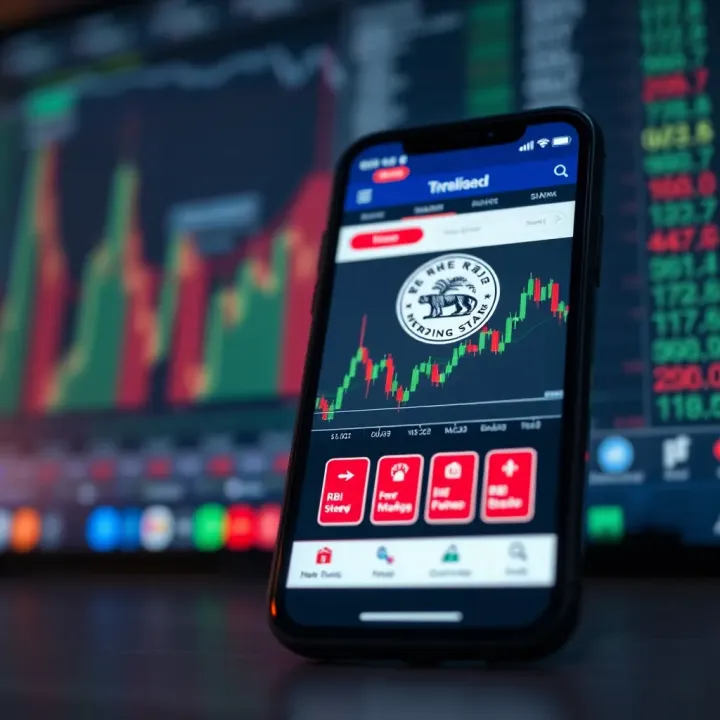
RBI Approved Trading Apps in India: A Clear Overview
Explore RBI-approved trading apps in India 📱. Understand regulations, safety tips, and find reliable platforms to trade confidently under RBI guidelines.
Edited By
Sophia Mitchell
Fixed time trading apps have captured the attention of many retail traders in India due to their promise of quick profits within short, pre-set durations. Unlike traditional investment methods where you hold assets for a longer term, fixed time trading involves predicting market movements—whether stock prices, commodities, or currencies will rise or fall—over fixed intervals ranging from 30 seconds to a few minutes.
These apps offer a simplified interface for users to place trades quickly, often with small capital. For example, a trader might bet ₹500 that the price of Nifty 50 will go up in the next 5 minutes. If the prediction is right, they can earn returns of 70-90% on that trade. But if wrong, the invested amount is lost entirely. This binary nature makes fixed time trading attractive yet risky.

Traders should understand that fixed time trading is essentially a form of high-risk speculation, not a guaranteed income method.
The appeal lies in its speed and potential high returns, but common features include:
Simple trade options: Typically 'call' (price goes up) or 'put' (price goes down)
Short expiry times: Trades close in minutes or seconds
Instant payout: Profits or losses appear immediately after expiry
On the downside, volatility in financial markets can quickly turn predictions wrong. Also, many apps operate with less regulatory oversight compared to stock exchanges regulated by the Securities and Exchange Board of India (SEBI). This raises concerns related to fairness, transparency, and the safety of funds.
Understanding how these apps function and their risks helps traders use them wisely. It's also crucial to compare fixed time trading to traditional investment approaches, which rely on fundamental analysis and longer holding periods, reducing exposure to sudden market swings.
This article will explain the workings, features, risk factors, and relevant regulations of fixed time trading apps in India. It will also suggest best practices for anyone considering these platforms, helping you navigate this fast-growing yet complex trading segment more confidently.
Understanding how fixed time trading apps operate is essential for traders and market professionals aiming to leverage their advantages effectively. These apps allow users to enter trades that close within a predefined time, generally spanning from 30 seconds to a few minutes. This setup appeals to those who seek rapid results rather than long-term investments.
Fixed time trading revolves around contracts that last for a specific duration—commonly 1, 5, or 15 minutes—after which the trade automatically closes. The trader bets on whether the asset's price will rise or fall within this timeframe. For example, if you expect the price of Reliance Industries Ltd. shares to rise in the next 5 minutes, you enter a trade predicting the upward movement. Once the 5 minutes elapse, the app settles the trade by comparing the actual price against the predicted direction.
This fixed interval system keeps trades fast and straightforward, appealing for quick decision-makers. However, the short window means trades are sensitive to minor market fluctuations.
Most fixed time trading platforms offer a variety of assets, including stocks, currency pairs (Forex), commodities like gold or crude oil, and market indices such as the Nifty 50 or Sensex. Having multiple asset options helps traders diversify their bets and choose markets they understand well. For instance, a trader might prefer trading Nifty 50 index contracts during market hours, benefiting from known volatility patterns.
The availability of asset types can differ between apps, with some focusing more on Forex pairs, while others emphasise Indian market stocks or commodities. It's worth checking the asset range before picking a platform.
Placing a trade typically involves selecting an asset, deciding the trade duration, and predicting the price direction (up or down). The amount to be invested is chosen before confirming the trade. Once executed, the trade runs until expiration without requiring further intervention.
The execution speed is critical since delays can affect entry price, especially as contracts expire quickly. Most apps ensure near-instant trade confirmations, which is vital for maintaining fairness. Additionally, the trade outcome is automatically calculated and credited or debited to the user's account immediately after expiry.
Indian traders frequently use platforms like IQ Option, Olymp Trade, and 1MinuteTrade, each offering distinctive features. These apps usually provide real-time price charts, easy deposit and withdrawal options, and risk management tools like auto stop-loss.
For example, Olymp Trade India app integrates a user-friendly interface with technical indicators to assist decision-making. Access to historical data and live market news is also common in leading apps, helping traders gauge market conditions more effectively.
The simplicity of navigation impacts traders, especially beginners. Top apps typically offer clean dashboards where key functions like placing trades, viewing portfolio, and accessing demo accounts are accessible within a tap or two.
Moreover, apps provide visual feedback on trade status and clear notifications of expiry results. This approach simplifies understanding, encouraging longer engagement and enhanced learning curves.
Most fixed time trading platforms support both mobile apps and web interfaces to suit diverse user preferences. The mobile versions, available on Android and iOS, allow trading on the go, which is crucial in India where smartphone users dominate.
Web platforms offer a broader view of charts and analytics, helpful for deeper technical analysis. The sync between web and mobile accounts ensures users can switch devices without losing continuity.
Fixed time trading apps give traders a fast, accessible way to engage with markets, but understanding their working mechanics is key to using them smartly and safely.

Fixed time trading apps have carved a niche for themselves by offering a streamlined way to engage with the markets. They stand out for their focus on simplicity and speed, making them popular among traders looking for quick decisions without complex procedures. This section highlights how these features benefit users, especially those new to trading or wanting fast market exposure.
Fixed time trading operates within set time intervals, usually ranging from 30 seconds to a few minutes. This means users get quick feedback on their trades, unlike traditional investing, which often requires days or months to see outcomes. For instance, a trader placing a 60-second trade on currency pairs can immediately know if the prediction on price movement was correct. This fast turnaround appeals particularly to those with a high appetite for quick decisions and results.
The speed allows traders to seize opportunities during volatile market moments. However, it also demands quick thinking as each trade must be placed before the interval ends. This approach won't suit everyone but can be effective for those who can follow market trends closely and react swiftly.
Most fixed time trading apps come with straightforward user interfaces that avoid clutter. New traders benefit from clear options such as "Call" or "Put" choices, where they predict whether the asset price will rise or fall. This simplicity reduces the learning curve significantly.
Apps like IQ Option and Olymp Trade focus on making their platforms accessible even to novice users by providing intuitive controls and straightforward terminology. This reduces the intimidation factor often felt with traditional trading platforms, encouraging beginners to explore trading without excessive complexity or jargon.
A major advantage fixed time trading apps offer is demo accounts that use virtual money. Such practice modes let new users learn the mechanics and test strategies without risking real funds. For example, a trader can spend time on demo mode identifying patterns in asset price movement, testing their timing, and understanding the platform’s features.
This hands-on practice is invaluable before moving to real money trades, especially because fixed time trading involves significant risk due to its short-term nature. Without demo accounts, beginners might find themselves losing money rapidly while learning.
Besides demo accounts, many apps provide built-in tutorials, videos, and articles. These learning tools help users grasp market concepts, technical analysis, and risk management. For instance, Byju’s app or Zerodha’s Varsity platform, popular in India, provide accessible educational content that benefits traders.
Having such resources integrated within the app encourages continuous learning and skill development. This support can improve users’ chances of making informed trades rather than relying on guesses or luck, which is crucial considering the pace and risks involved in fixed time trading.
Fast and simple interface combined with risk-free demo modes makes fixed time trading apps appealing, especially for new traders wanting to understand market behaviour before committing real money.
Understanding the risks involved with fixed time trading is essential for anyone considering these platforms. While the appeal of quick returns attracts many, the dangers tied to this type of trading can have serious financial consequences. Identifying these risks helps traders make informed decisions and protects them from avoidable losses.
Fixed time trading works on predicting short-term price movements within a set time frame. This speculative nature means that if your prediction turns out incorrect, you can lose your entire investment in that trade quickly. For example, a ₹10,000 trade on a currency pair might expire worthless within minutes if the market moves against you, wiping out your entire stake. This rapid loss potential makes it unsuitable for relying on as a steady income source.
Financial markets often react to unexpected news, economic data, or geopolitical developments. Such events can cause sharp, erratic price swings within the very short expiry periods fixed time trading relies on. These unpredictable moves reduce the accuracy of technical analysis tools and make trading outcomes less certain. Even experienced traders find it tough to consistently forecast price behaviour over such brief periods.
The Securities and Exchange Board of India (SEBI) and Reserve Bank of India (RBI) have not officially approved fixed time trading as a regulated investment activity. SEBI regulates securities markets, but many fixed time trading platforms operate outside traditional stock exchanges, raising regulatory concerns. This lack of formal oversight means these platforms do not provide the investor protection typically found in regulated markets.
Traders should know that engaging with unregulated or offshore fixed time trading platforms can expose them to legal risks, including difficulties in seeking recourse in cases of fraud or dispute. It's advisable to verify if an app has SEBI registration or RBI approval before investing. Using only trusted, regulated platforms helps minimise legal exposure and guards against potential violations of Indian financial laws.
The rise in fixed time trading's popularity has attracted many dishonest operators. Unverified apps often promise exaggerated returns and operate without clear company details or regulatory licence. Red flags include pressure to deposit large sums, lack of transparent terms, and poor customer support. Checking app reviews on recognised platforms and confirming official licences are practical steps to avoid these traps.
Scammers often employ tactics like fake testimonials, rigged trading interfaces that manipulate outcomes, and aggressive marketing promises to lure traders. They may offer bonuses that seem attractive but come with impractical withdrawal conditions. Recognising these tricks is crucial; traders should exercise caution and avoid trusting platforms offering too-good-to-be-true returns or demanding personal and financial information upfront.
Always approach fixed time trading with a clear understanding of its risks, verify the platform’s legitimacy, and avoid chasing quick profits without proper research and safeguards.
Comparing fixed time trading with traditional investing helps traders and investors grasp the distinct approaches, benefits, and risks involved in each. Fixed time trading is more of a speculative activity aimed at short-term gains, while traditional investing focuses on wealth building over longer periods. Understanding these differences lets you make more informed choices based on your financial goals and risk tolerance.
Fixed time trading involves betting on price movements within short, predetermined periods — often minutes or seconds. This style is a form of speculation where quick decisions can result in rapid gains or significant losses. It depends heavily on market volatility and timing accuracy, and losses can mount quickly, especially if one trades impulsively without a strategy. In contrast, traditional investing spans months or years, using strategies like value investing or dividend growth. It generally withstands market ups and downs better due to a longer horizon, allowing investments to recover from short-term shocks.
Another key distinction lies in portfolio diversity and wealth accumulation. Fixed time trading usually focuses on a handful of assets, which increases concentration risk. Traditional investing encourages spreading investments across sectors and asset classes like equities, bonds, and mutual funds. This diversification helps cushion against sudden market swings and contributes to steady wealth building. For example, someone investing ₹5 lakh over five years in a diversified mutual fund stands a better chance of growing that money without daily monitoring, compared to a fixed time trader hoping to double ₹50,000 within days.
Risk tolerance and financial goals play a critical role in choosing between these approaches. Fixed time trading suits those comfortable with high risk and seeking quick profits, though they must be ready to lose the invested capital. Retail investors saving for long-term aims like children’s education or retirement generally find traditional investing more suitable, as it aligns with progressive wealth creation and lower stress.
Skill and market knowledge also differ sharply. Fixed time trading demands sharp timing skills, quick decision-making, and understanding of short-term market behaviours. Beginners without such expertise often find themselves at a disadvantage. Traditional investing usually calls for patience and periodic reviews rather than constant attention, making it manageable with basic knowledge and periodic guidance from financial advisors. Learning through demo accounts or educational tools can help fixed time traders improve, but the skill curve remains steep.
Knowing which approach fits your financial situation and temperament will help you navigate the markets more confidently and avoid common pitfalls.
Balancing your portfolio with an awareness of these differences increases your chance of sustainable success, whichever trading or investment path you choose.
Trading apps that offer fixed time trades come with their share of risks and volatility, so managing your approach is vital. Getting the hang of setting limits, choosing the right platforms, and continuous learning can help reduce losses and improve your chances of success.
Only use money you can afford to lose when trading fixed time options. This means avoiding emergency funds, money for essentials, or long-term savings. Treat this as an entertainment or experimental budget rather than a regular income source. For instance, if you have ₹50,000 as spare cash, you might decide to allocate just ₹5,000 to trading and no more. This limits your exposure and prevents financial stress.
Stop-loss tools automatically sell your position when losses reach a certain level, helping you avoid spiralling losses. Capital controls involve daily or session limits that prevent you from overtrading. Setting a stop-loss like 10% of your capital per trade or capping total daily trades helps keep risks manageable. Many apps offer built-in options to set these controls — use them actively to avoid chasing losses.
Before trusting any fixed time trading platform, check real user reviews and expert opinions. Verified reviews on forums or review sites often reveal whether apps pay out profits or have hidden charges. Also, look for transparency about the company behind the app and its track record. An app with thousands of users but a slew of complaints about delayed withdrawals is a red flag.
The Securities and Exchange Board of India (SEBI) regulates trading platforms to protect investors. Confirm if the app is registered or compliant with SEBI's regulations before investing your money. Although many fixed time trading apps operate in a grey area, prioritising platforms with clear regulatory backing reduces fraud risk and legal troubles.
Practising with risk-free demo accounts is invaluable, especially for beginners. These allow you to test strategies without real money and understand market movement patterns. Most fixed time trading apps offer demo modes that mimic live market conditions. Regular practice on demo accounts improves decision-making and boosts confidence.
Fixed time trading is influenced by rapid market moves, so staying informed is necessary. Regularly follow market news, economic indicators, and global events that affect asset prices. Apps with integrated news feeds or notifications help, but also refer to trusted Indian financial news sources. Being aware of market sentiment can improve your timing and reduce impulsive trades.
Responsible trading starts with understanding your limits, choosing trusted platforms, and continually sharpening your skills. Taking these steps helps you use fixed time trading apps safely and more effectively.
Explore RBI-approved trading apps in India 📱. Understand regulations, safety tips, and find reliable platforms to trade confidently under RBI guidelines.

Explore Quotex options trading in India 🇮🇳 with this guide! Learn platform features, account setup, risk management, strategies, and legal tips ⚖️📈

📱 Explore RBI-authorized forex trading apps in India with insights on regulations, key features, and tips for safe, compliant currency trading. 💹🌐

Explore real money trading apps in India 🇮🇳: How they work, risks & benefits, payment options 💳, legal tips ⚖️, and how to pick a safe platform 🔒.
Based on 15 reviews