

Best Demo Trading Apps for Indian Traders
Master trading skills with the best demo trading apps in India 📈. Learn key features & practical tips to practice without risking real money effectively. 💡
Edited By
Emily Bennett
Investing internationally has caught the attention of many Indian investors seeking to diversify portfolios beyond domestic markets. However, the challenge lies in choosing the right international trading app that suits individual needs and trading styles.
An international trading app allows you to access global stock exchanges—such as the NYSE, NASDAQ, London Stock Exchange, or Tokyo Stock Exchange—straight from your mobile or desktop. This gives you the option to invest in foreign companies, ETFs, and other securities while managing everything in Indian rupees.

Before settling on an app, consider key factors:
Regulatory Compliance: Ensure the app complies with Indian regulators like SEBI and ties up with trustworthy overseas brokers.
Trading Costs: Look beyond just brokerage. Consider currency conversion fees, transaction charges, and account maintenance costs.
Market Access: Check which international markets are available and whether you can trade stocks, ETFs, or derivatives.
Platform Usability: The app should offer a smooth experience with intuitive navigation, order execution speed, and real-time updates.
Customer Support: Reliable customer service, preferably with local language options, can help solve issues faster.
For example, apps like ICICI Direct Global, HDFC Securities, and Vested Finance offer varying features like fractional investing, multicurrency wallets, and research tools tailored to Indian investors.
Choosing the right international trading app impacts not just investment returns but also your ease of trading and overall satisfaction. A careful comparison helps avoid hidden charges and poor service.
This guide will explore these aspects in detail, compare popular platforms, and equip you with practical tips to pick the app best aligned to your trading needs and order sizes.
International trading apps allow Indian investors to buy and sell financial assets from markets outside India using their mobile or desktop platforms. These apps act as bridges to global stock exchanges, enabling users to invest directly in overseas companies, ETFs (exchange-traded funds), commodities, and currencies. They serve a growing need among Indian investors looking to diversify beyond the domestic market.
Unlike domestic trading platforms that focus only on Indian stocks and securities traded on NSE (National Stock Exchange) or BSE (Bombay Stock Exchange), international trading apps provide access to multiple countries such as the US, UK, Japan, and others. This means investors can participate in companies like Apple, Amazon, or Tesla rather than just Indian firms.
International trading apps are software applications designed to facilitate cross-border investments from India. They simplify the process of opening overseas trading accounts, currency conversion, and adhering to regulatory compliance like RBI's Liberalised Remittance Scheme (LRS). These apps help investors tap into international markets with just a smartphone, bypassing the traditional complexities of foreign brokerage accounts.
The primary difference lies in the range of markets and the added layers related to currency exchange and overseas regulations. For example, when buying US stocks through an international trading app, the transaction is conducted in US dollars, often requiring the app to handle currency conversion and associated fees seamlessly. Domestic platforms lack this feature as they operate strictly within Indian financial regulations and currencies.
Moreover, international apps must comply with foreign market regulations and local tax laws, making features like tax documentation and compliance reports essential. Domestic platforms mostly focus on Indian tax structure and trading rules.
Trading on global platforms allows investors to spread risk by including assets from various economies and industries. For instance, while the Indian market might be volatile due to local factors, owning shares in stable sectors such as US technology stocks or European pharmaceutical companies can balance risks. This diversification prevents an investor’s entire portfolio from reacting negatively to one country’s economic cycle.
Investors gain exposure to leading international companies that aren’t available on Indian exchanges. For example, those interested in electric vehicles can invest directly in Tesla or NIO instead of only relying on indirect Indian-listed companies. Besides stocks, sectors like advanced biotechnology, renewable energy, or cloud computing might be underrepresented in India but are accessible through international trading apps.
Some overseas markets may offer better growth opportunities. Emerging companies or fast-growing economies could provide returns higher than mature Indian stocks. Also, currency fluctuations can work in your favour if the foreign currency strengthens against the rupee. However, foreign investment carries its own risks and demands careful evaluation.
International trading apps open doors to broader investment choices, but it’s important to understand your risk appetite and the specifics of each market before diving in.
Overall, grasping what international trading apps offer helps Indian investors make informed choices and build a more resilient and varied portfolio.
When selecting an international trading app, focusing on key features can help you avoid frustrations later. These features directly impact how effectively you can trade, how much you pay, and how safe your investments are. Indian investors need to weigh each aspect carefully to match their trading style and goals.
Ease of navigation plays a big role in saving time and reducing errors. A cluttered or confusing layout slows you down and can cause missed opportunities, especially during volatile market hours. For example, clear dashboards with quick access to watchlists and order functions make trading smoother. Some apps offer customisable screens, letting you prioritise what matters most to you.
Mobile and desktop compatibility is essential since investors in India often switch between devices. Mobile apps allow on-the-go tracking and quick trades during daily commute or office breaks. Desktop platforms, on the other hand, usually provide advanced charting and analysis tools. Having both options means you won't feel stuck when away from home, and can dive deep into market research when settled.
The variety of assets impacts how diversified your portfolio can become. Look for apps that list stocks, exchange-traded funds (ETFs), forex, and commodities. Suppose you want exposure beyond US stocks; having access to commodities like gold or foreign currencies could balance risks during turbulent markets. For instance, apps featuring Indian rupee forex pairs alongside US equities provide flexibility.
Access to multiple international exchanges widens your investment horizon. Trading on NYSE, NASDAQ, London Stock Exchange, and others through a single app saves the hassle of juggling different platforms. It also allows quick response to regional market moves. Imagine spotting an undervalued stock in Europe during Indian market off-hours; a multi-exchange app ensures you don’t miss the chance.
Brokerage charges are a direct cost impacting your net returns. Apps vary between flat fees, percentage-based charges, or zero commission models. Low brokerage is attractive, but check if it comes with trade restrictions or lower execution speed.
Currency conversion fees matter since international trades often involve currency exchange. If an app charges high conversion rates, it could eat into your profits. Some platforms offer preferential rates or let you hold foreign currency balances, helping you avoid repeated conversion costs on frequent trades.
Hidden costs to watch out for include inactivity fees, withdrawal charges, or data access costs. These are less obvious but can add up, especially if you trade less actively. Always read the fine print and ask support about any extra charges before committing.
Data protection measures ensure your sensitive information stays safe from breaches. Look for apps that implement encryption protocols and two-factor authentication (2FA). Apps that routinely update security features signal serious commitment to safeguarding users.
Licensing and regulation by authorities provide legal reassurances. Verify if the trading app complies with bodies like the Securities and Exchange Board of India (SEBI), Reserve Bank of India (RBI), or respective foreign regulators. Licensed platforms are subject to oversight, reducing risks related to fraud or fund misuse.
Choosing an app that combines ease of use, wide market access, low costs, and strong security will significantly improve your international trading experience. The right fit depends on your trading needs and comfort with technology, but these features form the core checklist every Indian investor should review.
Choosing the right international trading app is vital for Indian investors looking to tap into global markets efficiently. The popularity of an app often indicates its reliability, user-friendliness, and the range of features it offers, which in turn impacts your trading experience. Popular apps usually have robust support systems, regular updates, and comply with regulatory requirements, giving investors peace of mind while trading across borders.
App A has earned a reputation for its simple yet powerful interface, making it ideal for both beginners and seasoned investors. It offers access to major exchanges like NYSE, NASDAQ, and the London Stock Exchange, enabling investors to spread their portfolio globally. Its real-time market data and seamless fund transfer options are particularly helpful for investors who want quick execution without hassles.
What sets App A apart is its educational hub, which includes webinars and tutorials aimed at helping Indian traders grasp international market dynamics. This makes it a great choice if you want guidance embedded within the app itself.
App B stands out with its advanced charting tools and customisable alerts, catering well to active traders who rely on technical analysis. It offers multi-currency accounts, allowing smoother currency conversion at competitive rates, which can save you money when trading in US dollars, euros, or pounds.
Additionally, App B integrates social trading features, letting users follow expert traders or copy their strategies. This peer learning element adds value for investors looking to learn from market veterans while managing risks.
App C is known for its transparent fee structure, which includes zero brokerage on equity delivery overseas, though intraday and derivatives trades attract nominal charges. Its currency conversion fees are updated in real-time, avoiding unwanted surprises during transactions.
Customer support is another area where App C excels. With dedicated helplines and chat support operating round-the-clock, users get timely assistance—a critical factor when dealing with international markets that operate across time zones.
For newcomers, ease of use and educational resources are top priorities. Apps like App A, with simplified interfaces and strong educational content, suit beginners who want to start with low-risk investments and understand foreign markets gradually. Also, apps offering demo accounts provide a risk-free environment to build confidence.
Active traders need fast execution, comprehensive tools, and minimal downtime. App B fits this profile thanks to its advanced technical analysis features and efficient multi-currency management. These attributes help active traders react swiftly to market movements, which is crucial for short-term gains.
Long-term investors prioritise reliability, low transaction costs, and easy portfolio tracking. App C’s transparent fees and robust customer support offer a smooth experience for those making buy-and-hold investments in global companies. Its regular updates on tax implications and compliance guidelines also assist investors in managing their portfolios effectively over time.
Selecting the right international trading app depends heavily on your investment style. Consider the app’s features, fee structure, and support system carefully to ensure it matches your trading goals and skill level.
Trading internationally requires more than picking the right app; understanding local regulations and tax rules is essential to avoid penalties and make informed investment decisions. For Indian investors, this means carefully navigating the Reserve Bank of India (RBI) and Securities and Exchange Board of India (SEBI) guidelines, along with tax implications that come with foreign investments.
The RBI regulates all foreign exchange transactions in India through the Foreign Exchange Management Act (FEMA). When you use an international trading app, your overseas investments must comply with FEMA rules, which govern capital outflow. For example, the Liberalised Remittance Scheme (LRS) sets an annual limit of ₹₹2 lakh on how much Indian residents can transfer abroad for investment, including shares or mutual funds. Adhering to these norms keeps your trading activities legal and smoothly linked with your Indian bank accounts.
SEBI, India's securities regulator, oversees investment intermediaries and protects investor interests. While SEBI does not directly regulate foreign platforms, it requires Indian brokers and distributors offering international trading services to register and follow prescribed standards. Before using an international app, check if it partners with a SEBI-registered Indian intermediary to avoid scams and regulatory issues.
Investors must be mindful of restrictions on foreign investments under LRS. The ₹2 lakh yearly cap means you cannot move unlimited funds outside India for international stock purchases. This limit resets every calendar year, so you can plan your trading accordingly, spreading investments across years if needed.
Additionally, some countries or asset classes may have restrictions or require additional filings. For instance, investing in US-listed equities via an Indian app typically involves currency conversion and declaration to tax authorities. Make sure the app provides easy reporting tools or guidance on these obligations to stay compliant.
Profits from international trading are subject to India’s capital gains tax rules. Short-term gains (holding period up to 24 months for equity shares listed abroad) are usually added to your income and taxed as per your income slab. Long-term gains (held beyond 24 months) attract a lower, fixed tax rate, often 20% with indexation benefits.
It’s critical to maintain records of purchase and sale dates, foreign exchange rates at transaction time, and brokerage invoices to calculate accurate gains. Many investors overlook forex fluctuations, which affect the final capital gain and tax liability.
Since your investment may generate income abroad, such as dividends or capital gains, you could face taxation both in the foreign country and India. Thankfully, India has Double Taxation Avoidance Agreements (DTAAs) with several nations like the US, UK, and Singapore to prevent paying tax twice.
For example, if you pay 15% tax on dividends in the US, you can often claim this as credit against your Indian tax liability on the same income. Understanding the provisions of these agreements ensures you optimise tax payments and avoid unnecessary costs. Most international trading apps or brokers offer guidance or documentation support in this regard.
Investors should treat regulatory and tax compliance as part of their overall trading strategy. Ignoring these factors can lead to penalties that outweigh the benefits of overseas diversification.
By keeping these regulatory and tax points in mind, you’ll have a more secure, well-informed experience with international trading apps tailored for the Indian market.
Choosing the right international trading app involves matching the platform’s capabilities with your personal investing goals and experience. The sheer range of apps available today means you can easily end up with one that suits your style—whether you are a cautious investor or an active trader. This section highlights practical tips to help you make an informed choice, saving you time and avoiding future headaches.
Your risk tolerance and investment horizon should be the starting point. For instance, if you prefer safer investments and plan to hold stocks for several years, a platform offering solid research tools and long-term investment options would fit better. Conversely, if you have a higher appetite for risk and prefer quick trades, you might want an app with real-time data and advanced charting features. Knowing your goals helps avoid overpaying for unnecessary features or struggling with complexity that doesn't add value.
Beyond goals, consider your technical ability with trading apps. A first-time investor might find apps like Groww or Zerodha's international features easier due to their simple interface and guided onboarding. On the other hand, experienced traders comfortable with analysing technical indicators might prefer platforms like Interactive Brokers that offer more customization. This balance ensures you're not overwhelmed and can use the app effectively.
Demo accounts let you explore app features without risking real money. It is a smart way to understand how the app handles order placements, watchlists, and alerts. For example, you can practice buying stocks from the NYSE or the Nasdaq to see how currency conversions and fees are displayed. Testing helps build confidence and avoid surprises when real trading begins.
Equally important is assessing customer support during this phase. Good support can be critical if you face technical glitches or delays in settlement. Try reaching out to the support team and note their response time and helpfulness. Platforms with 24/7 chat support or local toll-free numbers often provide smoother assistance, a key consideration for Indian investors trading across time zones.
User ratings on app stores reveal common issues and pros. For instance, a trading app with 4.5 stars and thousands of downloads usually indicates reliability and user satisfaction. However, skim through recent reviews as app performance can change with updates.
Community feedback on forums or social media gives deeper insights into reliability and responsiveness. Traders often share experiences about sudden downtime, hidden fees, or payout delays. Sharing these real-world stories helps you avoid apps that look good on paper but falter under pressure.
Always combine your own hands-on tests with what other users say, ensuring your chosen app fits your unique trading needs smoothly.
This practical approach to choosing international trading apps makes your trading journey less stressful and more productive. Matching features to your goals, practicing risk-free, and listening to user feedback will guide you to the right platform.
Master trading skills with the best demo trading apps in India 📈. Learn key features & practical tips to practice without risking real money effectively. 💡

Discover how to pick the best real trading app 📱 for Indian investors 🇮🇳 with tips on security 🔐, reliability, and user experience for smarter investments.
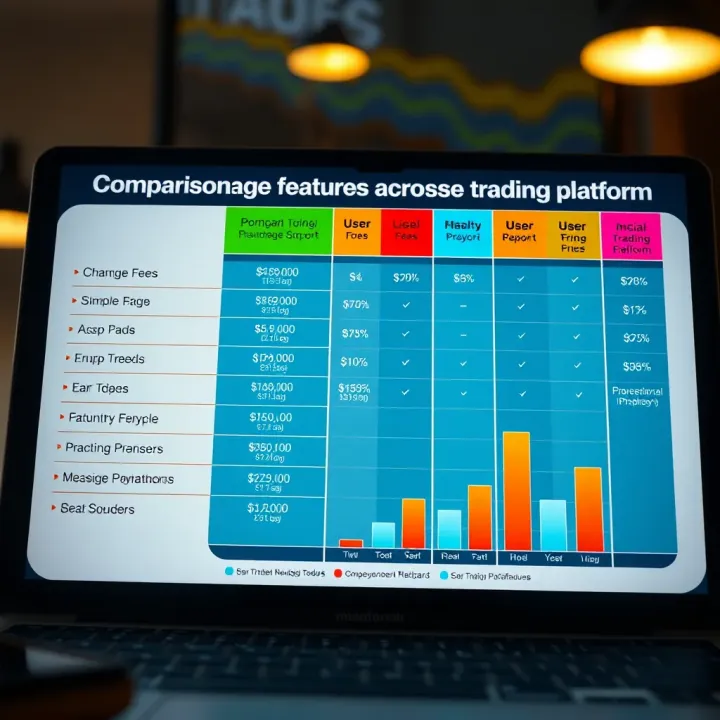
Find the best trading platform for Indian investors with insights on brokerage fees, user experience, customer support, and features tailored to your trading style 📈💻

📈 Explore the best trading apps in India to earn money via stocks and commodities. Discover features, security, and tips for safe, cost-effective investing.
Based on 8 reviews