

Choosing the Right Trading App for Indian Investors
Discover how to pick the best real trading app 📱 for Indian investors 🇮🇳 with tips on security 🔐, reliability, and user experience for smarter investments.
Edited By
Emily Thompson
For anyone navigating the Indian stock market, picking the right Android trading app is more than just convenience—it’s about safety, efficiency, and getting the most out of your investments. The sheer number of available apps can be overwhelming, but key factors help separate the wheat from the chaff.
A good Android trading app should offer real-time market updates, smooth order placement, and detailed portfolio tracking—all while ensuring your personal and financial data remain secure. Apps like Zerodha Kite, Upstox Pro, and Angel Broking have gained popularity thanks to their user-friendly interfaces and adherence to regulatory standards set by the Securities and Exchange Board of India (SEBI).

With cyber threats on the rise, prioritising regulatory compliance and strong encryption methods in your trading app choice protects you from risks like identity theft and unauthorised access.
Beyond security, ease of navigation matters. Investing on the go requires fast load times and intuitive charts that clearly show trends without clutter. Custom alerts based on price points or news can keep you ahead, saving you from constantly monitoring the markets.
Moreover, the app’s integration with banking services for smooth fund transfers through UPI or net banking adds to seamless trading experience in India’s digital economy.
Here are a few practical pointers when selecting your trading app:
Check for SEBI registration and customer grievance redressal systems.
Look for apps that support multiple types of orders (limit, market, stop-loss).
Ensure availability of educational tools and research insights.
Test the app’s compatibility with your Android device version and its performance under network fluctuations.
Read user reviews focusing on reliability during high-volatility periods.
Choosing an Android trading app tailored for Indian investors means balancing safety, functionality, and user experience. With the right tools, you can trade confidently and stay tuned to the market pulse anytime, anywhere.
Understanding Android trading apps is essential for Indian investors looking to trade stocks, commodities, or currencies efficiently. These apps provide a convenient platform to access market information, place orders, and manage portfolios from anywhere. Grasping what an Android trading app offers helps you select one that suits your trading style and meets your security and usability expectations.
An Android trading app is a software application designed specifically for Android smartphones and tablets, enabling users to buy and sell financial instruments like shares, mutual funds, and derivatives. It connects investors directly to stock exchanges such as the National Stock Exchange (NSE) and Bombay Stock Exchange (BSE), facilitating real-time transactions. Popular apps like Zerodha Kite and Upstox Pro provide features such as live price updates, chart analysis, and order execution, all packed in a mobile-friendly interface.
These apps often integrate with your trading account and bank, allowing seamless fund transfers and settlement. Unlike desktop platforms, Android trading apps offer flexibility to trade anytime, especially beneficial during volatile market hours. They typically support multiple order types and provide notifications for market events, helping traders respond quickly to market movements.
Trading on Android devices offers several practical advantages that make managing investments easier for Indian investors. Firstly, accessibility is a major factor—since smartphones are widely used across urban and rural India, having direct market access on your device puts trading at your fingertips. You no longer need to be tied to a computer or office.
Secondly, Android apps provide timely alerts so you never miss important price changes or news updates. For example, if the Sensex dips sharply, your app can notify you instantly to take protective action. Thirdly, many apps incorporate intuitive charts and technical tools customised for mobile use, enabling quick decision-making on the move.
Another benefit is cost-effectiveness. Apps from brokers like Angel Broking often have zero brokerage plans or minimal fees for small trades, attracting beginners and casual investors. Lastly, security features such as two-factor authentication and biometric login add layers of protection to safeguard your financial data.
Having a reliable Android trading app turns your mobile into a powerful trading terminal, helping you keep pace with Indian markets without being glued to a desktop.
Overall, understanding these basic concepts of Android trading apps lays a strong foundation. It arms you to pick an app that complements your trading preferences, provides essential tools, and maintains the security standards you deserve.
When it comes to trading on Android devices, certain features can make all the difference between a smooth experience and a frustrating one. Indian investors should focus on apps that not only offer real-time updates but also safeguard their investments and personal data. Let’s break down what to look for.
Market conditions can change in seconds, and lagging information can cost you dearly. A good Android trading app must provide real-time market data that updates instantly. This helps you keep track of price movements, volumes, and other vital stats without delay. Consider apps like Zerodha Kite, which deliver live feeds and instant alerts tailored to your watchlist or portfolio.
Alerts are just as crucial. Imagine you’ve set a target price for a stock, but you’re away from your phone. The app should notify you immediately via push notifications, so you never miss a trading opportunity or a stop loss trigger. This feature is particularly important for active traders who rely on quick reactions.
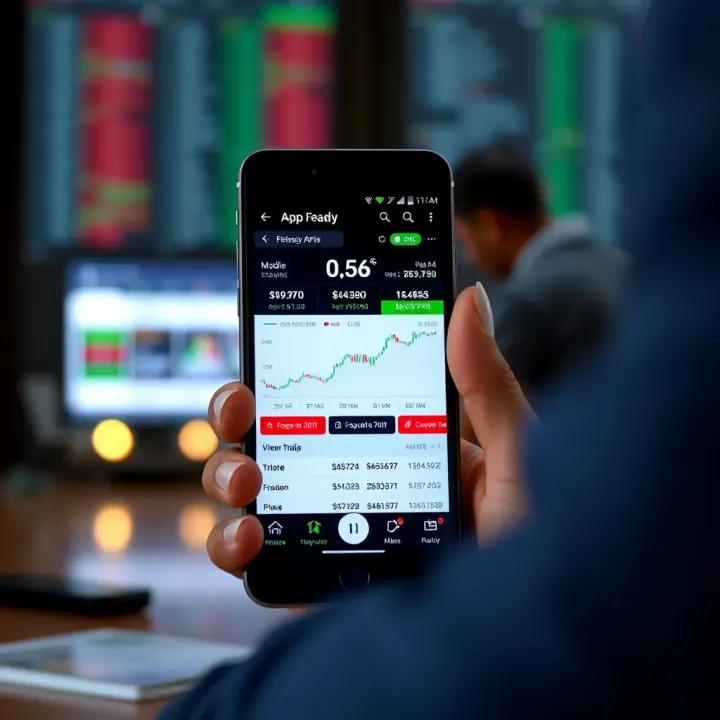
An app might be packed with features, but if it’s cluttered or difficult to navigate, you’ll end up wasting precious time. The interface should be intuitive, with clear menus and easy access to all major functions such as order placement, portfolio review, and research tools.
Look for apps that offer customization options. For example, Upstox Pro allows you to rearrange widgets and personalise dashboards, helping you prioritise what matters most. Smooth navigation reduces errors and helps you execute trades swiftly, which is key when markets are volatile.
Protecting your financial information and investments should be the top priority of your trading app. Here’s what to check:
Robust authentication methods protect your account from unauthorised access. Many apps use two-factor authentication (2FA), which means you need your password and a second factor like an OTP (one-time password) sent to your mobile or email. Biometric options, such as fingerprint or facial recognition, add convenience without compromising security.
For Indian users, apps are increasingly adopting Aadhaar-based or UPI-linked authentication, offering an extra layer linked to government-issued ID or your bank account.
Encryption scrambles your data while it travels between your device and servers, preventing hackers from intercepting sensitive information. Top trading apps use advanced encryption standards (AES) to secure transactions and personal details.
Without encryption, your login credentials, transaction details, and bank info could be exposed, posing a serious risk. So, always confirm that the app uses end-to-end encryption and adheres to industry norms.
RBI, SEBI, and other regulators have strict rules to protect investors and maintain market integrity. A legitimate trading app complies with these regulations, which includes secure data storage, timely reporting, and transparent operations.
Compliance offers peace of mind. For instance, SEBI mandates that trading apps must allow users to view past transactions and account statements easily. It also enforces guidelines on data privacy under India’s Information Technology Act. Choosing an app that sticks to these rules helps avoid scams and regulatory issues.
Security is not just a feature; it’s a necessity. Without proper safeguards, even the best trading strategies can fall apart.
In summary, when picking an Android trading app, focus on timely market data, ease of use, and strong security features. These factors work together to support informed, safe, and efficient trading tailored for Indian markets.
Choosing the right trading app is essential for active traders and investors looking to navigate India’s dynamic stock markets effectively. Popular Android trading apps stand out because they combine robust technology with features tailored to Indian users, including local fund transfer options, regulatory compliance, and user-friendly design. These apps make trading accessible even during commutes or breaks, helping traders react quickly to market changes.
Zerodha Kite is widely regarded as the go-to trading platform for many Indian investors due to its low brokerage charges and clean interface. The app offers real-time market data, advanced charting tools, and extensive analytics, making it suitable for both beginners and seasoned traders. Its integration with the Console dashboard helps investors track portfolios and access taxation reports without much hassle. Plus, Zerodha’s use of UPI for seamless fund transfers works well for users who prefer hassle-free deposits and withdrawals.
Upstox Pro appeals to traders who want a powerful platform without complex navigation. This app boasts features like multi-exchange access, advanced order types, and customizable charts. On top of that, it supports API integration, which is handy for algorithmic traders. Upstox’s customer base appreciates its competitive brokerage and solid customer service, especially for those operating in the high-frequency trading space. The app also ensures compliance with SEBI regulations, reassuring users about security and legitimacy.
Angel Broking’s mobile app combines simplicity with sensible features aimed at casual investors and active traders alike. It offers portfolio tracking, market insights, and personalised recommendations driven by nifty machine learning models. The app’s guidance for stock investment and mutual funds is quite useful for users who want a nudge towards diversified portfolios. Angel Broking also keeps brokerage transparent, with clear information on charges, which helps new traders avoid unpleasant surprises.
Choosing one of these popular apps depends on your trading style, portfolio size, and feature needs. Each app brings something different — Zerodha Kite’s analytics, Upstox Pro’s advanced orders, or Angel Broking’s guidance — so prioritise what matches your requirements best.
Understanding these platforms will help you leverage their tools efficiently and boost your chances of successful trading on Android.
Choosing the right trading app depends largely on your personal trading style and the features that suit you best. Since apps vary widely in costs, usability, and support, picking one that fits your needs can save you time and safeguard your investments.
Start by understanding your trading goals. Are you a day trader who requires fast execution and real-time data? Or a long-term investor focused on portfolio management and research tools? For example, if you trade intraday on the NSE, you might prioritise an app offering lightning-fast order execution and live charts, like Zerodha Kite. Conversely, if you prefer mutual funds or SIPs, an app with easy investment tracking and insights, such as Groww, may be more suitable.
Consider also if you trade multiple asset classes—stocks, derivatives, commodities, or currencies. The best app for you will support your desired markets with seamless navigation, so you don’t waste precious seconds switching platforms.
Brokerage charges can eat into your profits quickly. Look beyond headline brokerage rates to spot any additional costs such as account maintenance fees, transaction or GST charges, and penalties for order modifications. Upstox, for instance, offers zero brokerage on equity delivery but charges for intraday trades, so knowing this helps plan your strategy.
Hidden fees might appear in fund transfer processes or withdrawal limits. It's best to compare total costs on your typical trading volume before settling. Some apps might waive subscription fees for a time but compensate through higher charges elsewhere.
Responsive customer support makes a big difference when issues arise, like app glitches or order errors. Dark websites and helplines with long waits only add to trader frustration. Check whether the app offers easy contact options—chat support, toll-free numbers, or quick email responses.
Reviews on customer service can be eye-opening. Angel Broking, for instance, has a team known to handle queries promptly, which matters if you want reassurance during volatile market days.
Picking an Android trading app isn't just about flashy features but how well it fits your trading habits, cost expectations, and service needs. Invest the time upfront to get it right to avoid headaches later.
By focusing on your specific trading profile, understanding the cost components clearly, and ensuring solid support, you stand a better chance of choosing an app that helps you trade smarter and safer on your Android device.
Trading through Android apps demands more than just selecting the right platform; it needs smart strategies and diligent management. Mastering key practices like risk control, staying informed, and keeping your app up to date will smoothen your trading experience and can help safeguard your capital.
One of the simplest yet most effective risk management features on trading apps is the stop loss. This tool lets you set a predetermined price at which your stock or asset will be sold automatically to limit potential losses. For instance, if you buy shares of a company at ₹500 and worry about sudden dips, setting a stop loss at ₹480 can prevent major losses without constantly monitoring the market. Besides stop loss, some apps offer trailing stops, which adjust as the stock price moves in your favour, securing profits while protecting downside.
Proper use of these features requires understanding market volatility. Indian markets can swing, especially around earnings announcements or RBI policy changes. Using risk tools wisely means you don't need to watch your phone every minute but can trade with a safety net.
Indian investors must keep a close eye on relevant news as markets often react sharply to economic data, corporate results, or global events. Most Android trading apps offer market news feeds and customised alerts. Regularly checking these updates helps you spot opportunities or risks early.
For example, a sudden hike in oil prices may affect shares of Indian oil companies or related sectors. Getting instant alerts about such moves can prompt timely decisions. Besides app notifications, following reputed financial news sources further strengthens your grasp of market movements.
Upgrading your trading app regularly is crucial for both security and functionality. Developers frequently issue updates to patch security vulnerabilities, improve speed, or add new features. An outdated app might slow down order execution or expose your data to risks.
Besides security, updates often bring smoother navigation and bug fixes, which enhance your trading efficiency during critical moments. For instance, an app crashing during peak trading hours could cause missed opportunities or losses. Hence, enabling automatic app updates or checking for new versions before trading days is a good habit.
Smart trading does not rely on intuition alone but on careful risk management, staying informed, and using technology correctly. Following these tips will help you use Android trading apps with confidence and improve your chances of success in the Indian stock markets.
Discover how to pick the best real trading app 📱 for Indian investors 🇮🇳 with tips on security 🔐, reliability, and user experience for smarter investments.
Discover how to pick the best online trading app in India 📱 Learn key features, security tips, fees, user experience & top choices for smooth, safe investing.
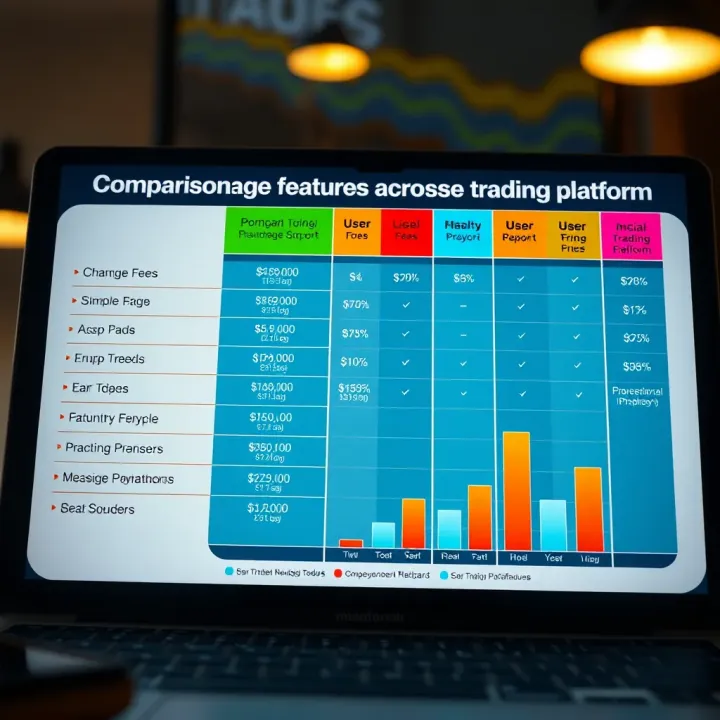
Find the best trading platform for Indian investors with insights on brokerage fees, user experience, customer support, and features tailored to your trading style 📈💻

🔍 Wondering if Forexdana is genuine or a scam? This review examines the platform's background, user feedback, regulations, trading features, and risks for Indian investors.
Based on 6 reviews