

Best Time for Forex Trading in India
Discover the best time for forex trading in India ⏰ by understanding global market sessions and IST overlap. Maximise returns with practical trading tips and session insights 🌏💹.
Edited By
William Foster
Trading the EUR/USD currency pair from India requires keen awareness of global forex market timings and how they align with Indian Standard Time (IST). This currency pair is the most traded globally, thanks to the economic might of both the Eurozone and the United States. Understanding when the markets are active and volatile can help you spot better chances for profit, while keeping risks in check.
The forex market operates 24 hours on weekdays, divided mainly into three primary trading sessions: Asian, European, and US. For Indian traders, the European and US sessions are the most relevant to EUR/USD because these sessions represent the times when this pair sees the highest trading volume and price movements.
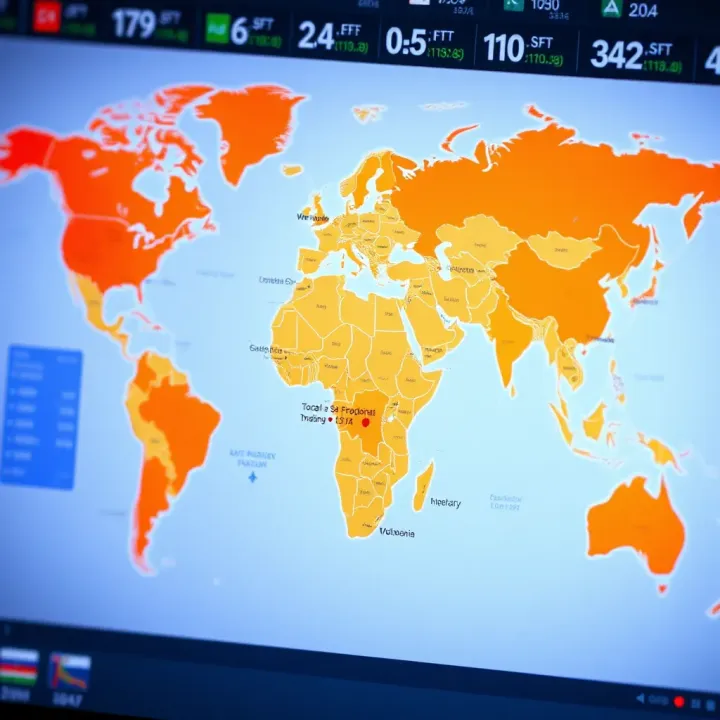
The European session runs roughly from 12:30 pm to 9:00 pm IST, coinciding with the active hours in London and Frankfurt. This session accounts for large liquidity in EUR/USD.
The US session overlaps with the European session from about 6:30 pm to 9:00 pm IST, creating a period of peak volatility. This overlap often leads to sharper price swings and more trading opportunities.
The Asian session, mainly from 4:30 am to 12:30 pm IST, usually sees quieter market activity for EUR/USD, as the major European and American players are inactive.
Volatility spikes during the European-US session overlap, so timings around 6:30 pm to 9:00 pm IST tend to be the most lucrative for EUR/USD traders in India.
To optimise your trading, syncing your schedule with these sessions is vital. For example, a trader looking to capitalise on volatile moves should focus on the late evening hours (Indian time), whereas those preferring steadier trading might opt for the early European session.
By mapping the market hours realistically against your daily routine, you can improve trade timing and risk management. Practical trade planning around session overlaps can result in enhanced opportunities without the unnecessary risk of low-volume periods.
Next, we will explore how specific session overlaps affect volatility and how Indian traders can adjust their timing effectively to benefit from these movements.
Trading the EUR/USD pair requires a solid grasp of its unique dynamics because it sits at the heart of the forex market. This pair reflects the economic ties between the Eurozone and the United States, which means price movements often respond directly to shifts in either economy. Understanding these factors not only helps you anticipate market trends but also positions you better to time your trades effectively from India.
EUR/USD dominates global forex trading largely due to the size and influence of both economies involved. The Eurozone represents over 19 countries with a combined GDP topping $13 trillion, while the US economy exceeds $25 trillion. This sheer scale makes EUR/USD highly liquid, meaning it’s easier to enter and exit trades without major price jumps. As a result, the spread—the difference between buy and sell prices—is usually tight, saving trading costs.
Besides liquidity, EUR/USD offers abundant volatility during certain hours, giving traders clearer opportunities for profit. For example, when European markets open and US investors react to overnight news, large price swings emerge. This combination of liquidity and volatility attracts traders from India who prefer trading pairs offering both affordability and active movement.
Key economic data like GDP growth, unemployment rates, inflation figures, and trade balances from both regions directly affect EUR/USD prices. For instance, if Eurozone inflation is higher than expected, it can strengthen the euro as markets anticipate tighter monetary policies. Similarly, better-than-expected employment numbers in the US often boost the dollar.
Indian traders can watch the monthly Eurozone Consumer Price Index (CPI) and US Non-Farm Payrolls (NFP) reports closely. These releases create short bursts of volatility, impacting intraday trading strategies. Being aware of these schedules helps in planning trades to either capitalise on these moves or stay cautious during unpredictable moments.
Monetary policies set by the European Central Bank (ECB) and the US Federal Reserve (Fed) play a vital role. Interest rate decisions, quantitative easing measures, and forward guidance influence investor sentiment profoundly. When the Fed hikes rates, for example, the dollar usually strengthens against the euro as yields become more attractive for investors.
Take the ECB’s recent stance: despite inflation concerns, the ECB maintained a cautious approach, which at times softens the euro against the dollar. Meanwhile, the Fed’s more aggressive rate hikes in 2023 caused noticeable dollar gains. Keeping an eye on central bank press conferences and minutes offers insights into future moves, vital for timing trades.
Events such as elections, trade negotiations, and geopolitical tensions impact EUR/USD significantly. For example, uncertainty around US-China trade deals or Eurozone member elections can trigger sudden market reactions. Political instability tends to lower investor confidence, making the pair more volatile.
In the Indian context, geopolitical news reaching global headlines can influence your open trades, especially during Asian trading hours when news breaks first. Understanding this helps you manage risks better by tightening stop-loss orders or reducing position sizes during such events.
EUR/USD price shifts come from a mix of economic facts, policy changes, and political climate. Staying informed about these factors equips you best to navigate the forex market confidently from India.
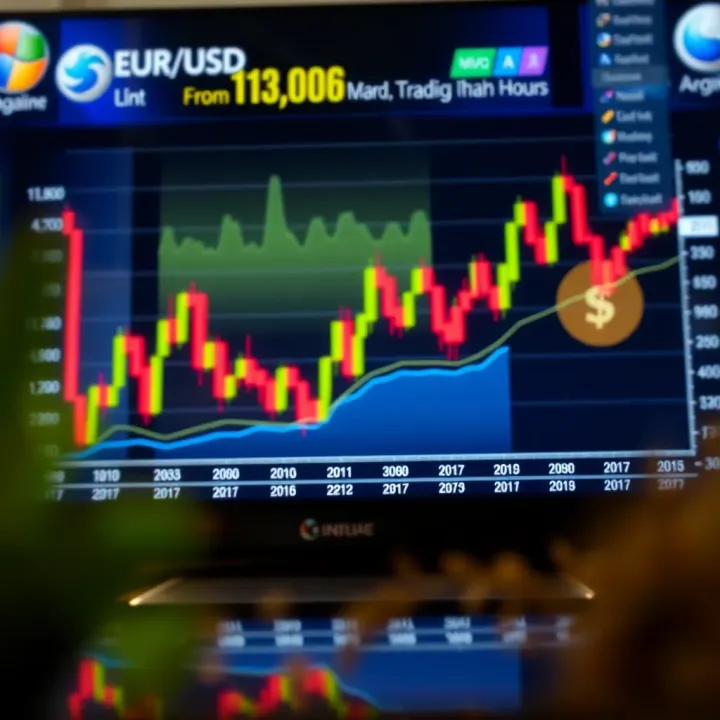
Understanding global forex market sessions is fundamental for Indian traders focusing on the EUR/USD pair. These sessions mark the hours when major financial centres across the world are active, significantly influencing market liquidity and volatility. By aligning your trading hours with these sessions, you can improve trade execution and spot better entry or exit points.
The forex market operates 24 hours due to the different time zones of key financial centres. For Indian traders, knowing the equivalent Indian Standard Time (IST) of these sessions is essential. Generally, the London session runs from 1:30 pm to 10 pm IST, New York is active from 6:30 pm to 3 am IST, Tokyo operates between 6 am and 3 pm IST, and Sydney’s hours are roughly 3:30 am to 12:30 pm IST.
This time conversion helps you plan trading around your daily routine. For example, a trader in Mumbai can focus on the London session in the afternoon while also catching the New York session late evening. This flexibility makes forex trading accessible without disrupting work or family commitments.
Each session has its own market traits. London, being the forex capital, typically shows high liquidity and volatility, which benefits traders looking for tighter spreads and clearer price movements. The New York session adds further volume, especially during its overlap with London hours. Conversely, the Tokyo and Sydney sessions tend to be quieter with lower volatility, but they can present steady trends suitable for different trading styles.
The London-New York overlap is the busiest, with elevated trading volumes affecting EUR/USD volatility. This overlap from 6:30 pm to 10 pm IST is when both European and American markets operate simultaneously. It often triggers strong price movements and swift trade opportunities, making this the most favourable time for active traders seeking profit from swings.
In contrast, the Tokyo-London overlap, running from 1:30 pm to 3 pm IST, has less impact on EUR/USD. Since the Tokyo session mainly influences the Asian currency pairs and the London session barely starts, the volatility is subdued. Indian traders focusing on EUR/USD might find this period less lucrative but still useful for monitoring markets or placing less aggressive trades.
Synchronising your trading activity with the London-New York overlap provides optimal liquidity and volatility, enhancing your chances for effective EUR/USD trades from India.
Recognising these session timings and overlap effects allows Indian traders to schedule their strategies efficiently, balancing market activity with personal convenience and risk management.
Spotting the right time to trade the EUR/USD pair can make a noticeable difference for Indian traders. Choosing peak trading hours means you'll enjoy better liquidity, which reduces the spread and slippage, helping you enter and exit trades at your desired price points. Also, volatility—price fluctuations—tends to spike during certain sessions, offering more profit potential but also requiring careful risk management.
Volatility is a trader’s double-edged sword. More price movement means greater opportunities, but it also increases risk. For example, when the London and New York sessions overlap, liquidity surges, causing sharp swings in the EUR/USD pair prices. This window usually offers tighter spreads and better execution for both short-term traders and those relying on technical signals.
The London-New York overlap occurs from 7:30 pm to 12:30 am Indian Standard Time (IST). During this period, the forex market is bustling, driven by the combined participation of two major financial hubs. Traders based in India often find this overlap relevant as it offers the best chance to capitalise on volatility while still manageable within typical daily schedules.
Early morning trading (around 4:00 am to 7:30 am IST) catches the tail end of the Tokyo session and the start of London’s market. This slot typically sees less volatility compared to the London-New York overlap but can suit traders who prefer steadier price movements or have commitments later in the day. However, trading so early may not fit everyone’s routine.
On the other hand, late evening trading during the London-New York overlap falls between 7:30 pm and 12:30 am IST and is a popular window. While it can be tiring due to late working hours, it offers the highest liquidity and volatility, making it attractive to active traders looking for significant price moves.
Balancing trading with personal responsibilities is vital. Working professionals and investors often face the challenge of fitting trades around office hours or family time. Many use limit orders or automated trading tools to manage positions without constant screen time, especially during high-volatility windows. Prioritising sleep and managing stress also means choosing trading hours that won’t burn you out.
Choosing the right trading time is not just about market hours but how it fits your daily life. Effective scheduling helps maintain discipline and improves decision-making under volatile conditions.
By recognising these trading windows and matching them with your lifestyle, you can enhance both your trading outcomes and personal well-being.
Trading EUR/USD from India demands a strategic approach beyond just picking the right time. Indian traders benefit when they align their trades with global market rhythms while factoring in local realities like work timings and access to reliable information. Knowing when and how to act can prevent costly mistakes and improve your trading outcomes.
Scheduling trades around major announcements is critical for EUR/USD traders. Key economic indicators such as the US Non-Farm Payrolls, Eurozone CPI data, or the Federal Reserve’s interest rate decisions often lead to sharp price movements. Indian traders who check the economic calendar before market open can better anticipate volatility spikes and decide whether to enter a trade or stay on the sidelines.
For example, if the US jobs data is due at 8:30 pm IST, a trader might choose to close positions earlier to avoid unpredictable swings or plan a quick trade after assessing market reactions. This awareness leads to better timing and risk control.
Reliable sources for economic data play a big role here. Traders often rely on platforms like Investing.com, Forex Factory, or official announcements from the US Bureau of Labour Statistics and Eurostat. Such sources provide real-time updates in GMT or IST, making it easier to plan. Keeping an eye on RBI notifications and SEBI advisories also helps Indian traders stay compliant and aware of domestic forex regulations.
Setting stop-loss and take-profit levels doesn’t just protect from big losses; it also locks in profits at expected market points. For instance, when trading during the London-New York session overlap — the period with maximum liquidity and volatility — placing tight stop-loss orders prevents sudden reversals from wiping out gains. Likewise, take-profit targets help in securing wins before the market cools down.
Avoiding overtrading during volatile hours is equally vital. While volatility offers opportunities, it can also lure traders into rash decisions fueled by FOMO (fear of missing out). Indian traders juggling full-time jobs or other commitments should stick to pre-planned trades and avoid chasing every price swing. Overtrading often leads to exhaustion and mistakes, especially during late-night US session spikes.
Smart traders know that patience and discipline during high-volatility sessions help in weathering unpredictability. It’s better to wait for clear signals than to force trades when emotions run high.
By integrating careful scheduling around news releases and disciplined risk management, Indian traders can make the most of trading the EUR/USD pair without undue stress or losses.
Understanding India's regulatory landscape and the platforms available is crucial for Indian traders dealing with the EUR/USD currency pair. The Reserve Bank of India (RBI) plays a significant role in framing policies that govern forex trading, ensuring transparency and compliance with international norms. Traders must navigate these regulations carefully to operate legally and efficiently.
The Reserve Bank of India regulates forex transactions to prevent misuse and protect the economy from excessive foreign exchange risks. It mandates that all foreign exchange dealings happen through authorised dealers, typically Indian banks and registered brokers. For an Indian trader, this means using RBI-approved channels to trade EUR/USD and other currency pairs.
RBI also sets guidelines on forex exposure limits for residents, restricting speculative trading beyond specified boundaries. This is to ensure currency market stability and avoid undue pressure on the rupee's value. For example, retail traders cannot indulge directly in offshore forex markets except through permitted instruments such as currency futures and options on recognised exchanges like NSE or BSE.
Indian forex trading is mostly confined to pairs involving the Indian Rupee, like USD/INR or EUR/INR, under the Foreign Exchange Management Act (FEMA). Direct spot trading in cross-currency pairs like EUR/USD is technically not permitted for Indian residents on Indian platforms unless routed through RBI-regulated entities.
Moreover, trading overseas forex brokers offering EUR/USD must comply with the Reserve Bank’s norms on capital inflow and outflow. Indian traders need to ensure their overseas broker is registered properly and that payments are settled via legal banking channels, avoiding the black market forex. Awareness of these guidelines helps avoid legal hassles and facilitates smoother transactions.
Platforms catering to Indian users increasingly support INR deposits and withdrawals, simplifying fund transfers with local banks and wallets. This feature reduces currency conversion fees and transaction delays, providing convenience and cost efficiency.
For example, popular platforms like Zerodha and Upstox offer currency derivatives with INR settlement and support UPI and net banking for seamless transfers. Overseas platforms like ICICI Direct or Kotak Securities' online portals also bridge the gap by enabling INR transactions for currency futures.
Some forex platforms offer services specifically designed for Indian traders, such as integration with Indian payment gateways, customer support in local languages, and educational resources aligned with domestic regulations.
Additionally, these platforms sometimes provide risk management tools like customised stop-loss orders suitable for volatile sessions aligned with Indian market hours. They may also offer real-time economic calendars with data relevant to India’s time zone, helping traders plan their EUR/USD trades more effectively.
Compliance with RBI regulations and choosing the right platform are key for Indian traders to trade EUR/USD confidently and legally while benefiting from localised features.
Discover the best time for forex trading in India ⏰ by understanding global market sessions and IST overlap. Maximise returns with practical trading tips and session insights 🌏💹.
🔍 Learn about Quotex withdrawal times in India! Discover factors affecting processing, tips for smooth transfers, and how to avoid common issues. 💸
Explore fixed time trading apps in India 📱— learn how they work, key features, risks, and important regulations to trade smartly and safely in financial markets.
Explore real trade apps in India 📱: features, benefits, security tips, top choices, and how they enhance your trading experience effectively.
Based on 15 reviews