

Understanding Diamond Pattern Trading
📈 Learn to spot diamond patterns in stock charts and use practical strategies to trade wisely in Indian markets. Manage risks and avoid common mistakes effectively.
Edited By
Amelia Reed
Automated trading bots have rapidly become a key tool in financial markets worldwide, including India. These are computer programmes designed to execute trades automatically based on predefined criteria and algorithms. By removing human emotions like fear or greed from decision-making, they aim to make trading more disciplined and efficient.
At their core, these bots scan market data around the clock and trigger buy or sell orders as soon as market conditions meet preset rules. This means trades can happen within milliseconds—much faster than any manual trader could manage. For example, a bot might be programmed to buy stocks when their price crosses a certain moving average and sell when it dips below it.
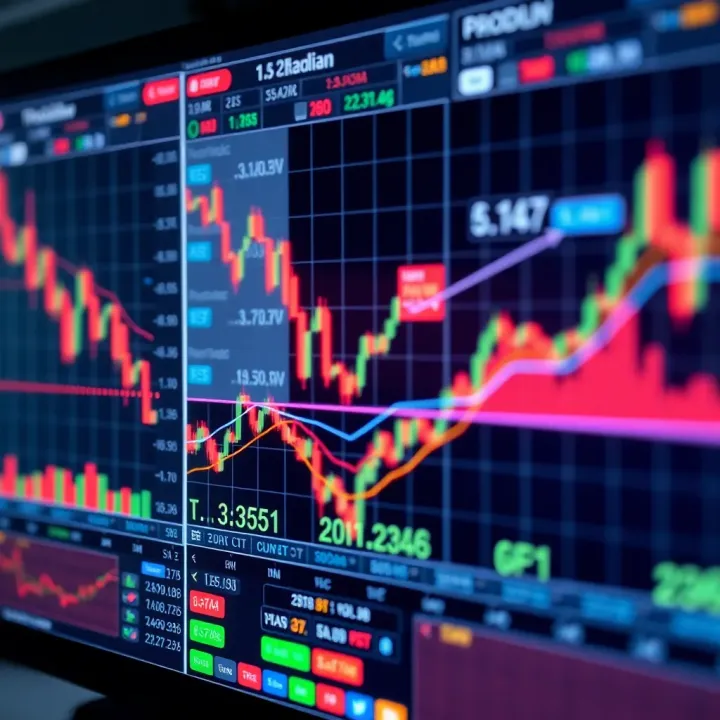
Automated trading bots help traders avoid emotional mistakes and capture opportunities even outside typical market hours.
In India, stock exchanges such as NSE and BSE operate during fixed hours, but global markets run 24/7. Bots enable traders to participate in forex, commodities, or international equities anytime. Moreover, they reduce dependency on constant manual monitoring, freeing up time.
Here are some common bot strategies popular among Indian traders:
Trend-following bots: These track price trends, buying during uptrends and selling in downtrends.
Arbitrage bots: They exploit price differences between different exchanges or instruments to earn profits.
Mean reversion bots: These assume prices always return to a historical average and trade accordingly.
Setting up a bot requires solid programming knowledge or using platforms that provide customizable bots with drag-and-drop interfaces. Integration with Indian brokers that allow API access is essential.
Though bots add speed and discipline, they also carry risks. Faulty algorithms or unexpected volatility can lead to large losses quickly. Hence, careful testing and ongoing monitoring remain crucial.
In sum, understanding how automated trading bots operate helps traders harness technology wisely, cutting emotional bias and improving efficiency in both domestic and international markets.
Understanding how automated trading bots work is key for traders aiming to tap into their potential. These bots execute trades automatically based on predefined rules, reducing human error and improving speed. Knowing their components and integration points helps traders select or customise bots that align with their strategies.
Automated bots rely on trigger parameters—specific conditions signalling when to buy or sell. These often use technical indicators like moving averages, Relative Strength Index (RSI), or Bollinger Bands. For example, a bot might be set to buy a stock when its 50-day moving average crosses above the 200-day average, signalling a bullish trend. Setting precise triggers lets the bot respond to market movements without constant human supervision.
Execution engines are the core systems that carry out trades once triggers activate. They translate signals into actual market orders, handling complexities like order types (market, limit), quantities, and timing. An efficient execution engine minimises latency—crucial in intraday trading where seconds can mean profit or loss. For instance, an execution engine linked directly to the National Stock Exchange’s (NSE) trading platform can swiftly place orders, improving trade success rates.
Backtesting enables traders to test their strategies against historical data before employing them live. This process highlights whether a bot's logic might have worked in past market conditions. Optimisation adjusts parameters to maximise returns while controlling risks. Suppose a bot is designed to trade the Nifty 50; backtesting on the last five years of data can reveal its profitability and suggest tweaks. Without backtesting, traders risk using bots that perform poorly under real market stress.
Application Programming Interfaces (APIs) connect bots with trading platforms, allowing secure and real-time data exchange. APIs grant bots permission to place orders, fetch account details, and monitor positions programmatically. For example, popular Indian brokers like Zerodha and Upstox provide APIs enabling customised bot trading. Well-integrated APIs reduce errors and ensure smooth communication between bot and broker.
Managing orders efficiently prevents costly mistakes such as duplicate or failed executions. Bots must track order statuses—pending, executed, or cancelled—and handle modifications or cancellations as needed. Strong order management safeguards traders from slippage or unintended positions. For example, if a bot detects market volatility, it can cancel pending orders and reissue adjusted ones, preserving capital.
Access to live price and volume data allows bots to react swiftly to changing market conditions. Without real-time data, decisions become outdated, risking losses. Data feeds from exchanges like BSE and NSE offer continuous updates that bots use to evaluate trigger parameters and execute trades timely. Accurate, fast data ensures trading bots operate effectively, avoiding issues like latency or stale information.
Automated trading bots are only as good as their algorithms and integration. Mastering how these elements work together equips traders to make smart choices that fit their market goals.
Automated trading bots offer several benefits that appeal to traders looking to improve efficiency and consistency in the markets. These programmes execute trades based on preset rules, removing human limitations and helping to capitalise on market opportunities more effectively. Understanding the advantages these bots bring is crucial for traders who want to optimise their strategies while managing risk.

One significant advantage of automated bots is their ability to operate without emotional biases. Human traders often struggle with fear, greed, or hesitation, especially in volatile markets. For instance, during sharp market swings, a trader might hold on to a losing position hoping for a reversal or prematurely exit a profitable trade out of fear. In contrast, bots stick strictly to the rules defined by their algorithms, making objective decisions all the time. This trait is invaluable for maintaining discipline, particularly in fast-moving markets like India's NSE or BSE where quick reaction matters.
Automated bots can execute trades at speeds impossible for humans, operating 24/7 without breaks. This continuous monitoring allows bots to capture small, fleeting market inefficiencies, such as arbitrage opportunities between exchanges, that a human might miss. For example, crypto trading bots on Indian platforms like WazirX can spot price differences across exchanges within milliseconds and act swiftly. Moreover, bots handle high-frequency trading strategies where reaction time literally affects profitability. This speed and uptime let traders leverage opportunities throughout the trading day and even outside regular hours.
Automated trading bots also make it easier to backtest strategies against past market data before risking real capital. This process helps traders refine their approach and understand potential pitfalls. Consider an intraday scalping strategy tested on historical Sensex data — backtesting reveals the average win rate, drawdowns, and ideal parameters like stop loss levels. Traders in India can use historical stock data from NSE or BSE to run multiple simulations quickly and decide which strategy suits their risk-appetite. Without automation, such rigorous testing would be slow and prone to errors.
Automated bots bring objectivity and speed to trading, critical for navigating complex markets like India’s. Backtesting further equips traders with data-driven insights, reducing guesswork.
Ultimately, these advantages show why automated trading bots are becoming integral to modern trading. While they are no silver bullet, their ability to reduce emotional errors, react swiftly, and vet strategies thoroughly makes them valuable tools for serious market participants.
Automated trading bots have simplified many trading tasks, yet they are not free from risks. Traders must understand the potential downsides to make informed choices and manage their exposure correctly. These risks affect the reliability, profitability, and security of using automated systems in financial markets.
Technical failures pose a serious threat to automated trading bots. For example, if a trading server crashes or internet connectivity drops during market hours, a bot may fail to execute trades as intended or keep orders pending longer than safe. Such glitches can lead to missing profitable opportunities or incurring unintended losses. In 2013, a glitch in a popular US-based high-frequency trading firm caused severe market disruptions within seconds, emphasising how quickly technical errors can escalate.
Beyond crashes, software bugs in the bot's algorithms also lead to wrong trade executions. A trader relying solely on automation without manual oversight risks losses if unnoticed.
Over-optimisation, often called "curve fitting," happens when a bot is tailored too closely to historical data. While backtesting is useful, a bot perfected for past trends may underperform or fail during unexpected market conditions. For instance, many bots that performed well during stable markets in 2019 struggled during the volatile 2020 period caused by the global pandemic.
Markets themselves evolve with new regulations, technologies, and investor behaviour. An automated strategy must be continuously reviewed and updated to stay relevant. Relying rigidly on a single set of parameters can turn a helpful tool into a liability.
Security forms a crucial concern with automated trading. Bots connect directly to trading accounts via Application Programming Interfaces (APIs), often holding significant capital and permissions. Weak security controls expose traders to hacking, data theft, or unauthorised transactions. Cases of fraudulent bots stealing cryptocurrency or executing manipulative trades have been reported, highlighting this risk.
To mitigate such concerns, traders should use bots from trusted providers, keep API permissions minimal, and regularly monitor account activity. Employing strong passwords and two-factor authentication (2FA) further protects against unauthorised access.
Automated trading offers speed and efficiency but carries technical, strategic, and security risks that can impact returns. Proper awareness and vigilance are vital to safeguard investments.
By recognising these risks, traders can better weigh benefits against potential pitfalls and adopt smart practices while integrating automated trading bots into their strategies.
Automated trading bots come in various types, each designed for specific strategies that cater to different market conditions and trader goals. Understanding these types can help you pick the best fit for your trading style and risk appetite. They work by applying their algorithms to market data, making trades swiftly and often in volumes that manual trading cannot match.
Trend-following bots track market movements to identify ongoing trends. Their algorithms rely on indicators like moving averages or relative strength index (RSI) to enter trades aligned with market momentum. For example, if a stock consistently rises above its 50-day moving average, the bot may trigger a buy. These bots work well in stable trending markets but can struggle during sideways or volatile phases where false signals are common.
Arbitrage bots exploit price differences for the same asset across different markets or exchanges. They buy where the price is lower and sell where it's higher, locking in profit from the spread. Consider cryptocurrencies where price variances between Indian exchanges such as WazirX and Binance can be noticeable briefly. Speed matters here, as these opportunities vanish quickly due to market efficiency. Arbitrage bots require robust connectivity and low-latency execution to benefit fully.
Market-making bots act as liquidity providers by placing both buy and sell orders around current market prices. Their goal is to earn from the bid-ask spread repeatedly. In the Indian stock market, large brokerages or proprietary trading firms often deploy such bots to support liquidity in less active stocks. While they generate steady income, market-makers face risks during sudden price swings, so risk management and dynamic pricing are crucial components.
These bots automate the task of rebalancing investment portfolios to maintain a desired allocation across assets. Say you want to keep 60% in equities and 40% in bonds; the bot monitors market value changes and triggers trades to correct any deviations periodically. This is especially useful for long-term investors in mutual funds or ETFs, helping maintain discipline without manual intervention. Rebalancing bots can be customised according to frequency and threshold parameters.
Knowing the type of bot that aligns with your goals helps you use automated trading more effectively, balancing potential rewards and risks.
Each bot type serves distinct purposes, and some traders combine different bots for diversification or complementing strategies. While automated bots offer speed and efficiency, understanding their specific functions and limitations remains key for successful trading.
Choosing the right automated trading bot and managing it effectively are key to success in modern trading. Not every bot suits every trader or market condition, so understanding the bot's capabilities and aligning them with your objectives is essential. Moreover, managing a bot actively helps you avoid losses stemming from market shifts, technical hiccups, or strategy flaws.
Before trusting your money to any trading bot, verify its credibility. This means checking its track record over various market phases, including bullish, bearish, and sideways trends. Look for transparent performance data such as win rate, average profit per trade, and drawdown levels. For example, a bot that historically earns modest profits but keeps losses low can be better than one with occasional high gains but heavy drawdowns.
Also, confirm whether the bot is regularly updated to respond to market changes or regulatory rulings, especially in India, where SEBI guidelines can impact algorithmic trading rules. Reviews from other traders and any audit reports from independent experts can provide extra assurance. Avoid bots making unrealistic promises of guaranteed profits.
Trading bots are more effective when customised to meet your specific goals and risk appetite. For instance, if you are a conservative investor looking to preserve capital while aiming for gradual growth, you might want a bot that trades less frequently with tight stop losses. On the other hand, an aggressive trader seeking high returns may opt for a bot designed to capitalise on short-term volatility.
Most reputable trading bots offer settings to adjust parameters like trade size, stop-loss thresholds, and indicators used for entry and exit signals. Customising these settings helps align the bot’s behaviour with your financial targets and risk tolerance. For example, a bot could be programmed to avoid trading during volatile Indian festivals or significant economic announcements, reducing exposure to unpredictable swings.
Letting a bot run on autopilot without supervision is risky. Continuous monitoring is necessary to ensure it performs as expected and to detect any technical issues. Keep an eye on key metrics such as trade frequency, profit and loss, and available margin.
Adjustments may be required if the market conditions change. For example, a bot optimized for trending markets may underperform during range-bound phases. In such cases, tweaking the strategy parameters or switching to a different bot suited to the current market environment can help maintain profitability.
Regularly updating and tuning your bot based on its live performance and prevailing market trends prevents unexpected losses and maximises returns.
Effective management also involves ensuring your API keys are secure and monitoring for any suspicious trade activities. Having a clear risk management plan, including stop-loss limits and capital allocation, complements active bot supervision.
In summary, selecting a credible bot, customising strategies to fit your needs, and vigilant monitoring are the pillars of successful automated trading. Together, these steps can help you navigate market complexities with confidence.
Automated trading, while bringing efficiency and precision to financial markets, also raises crucial questions about regulation and ethics in India. Understanding these aspects is vital for traders, investors, and analysts who rely on algorithmic systems to make informed decisions. The regulatory framework ensures that automated trading remains fair, transparent, and secure while protecting the interests of all market participants.
The Securities and Exchange Board of India (SEBI) has laid down clear guidelines to govern algorithmic trading practices in Indian markets. SEBI mandates that brokers and traders using automated trading systems register these algorithms and submit detailed disclosures about their functioning. This transparency helps prevent market manipulation and ensures accountability. For example, SEBI limits the order-to-trade ratio to curb excessive order placement, which can strain the system or create artificial market activity. These rules also require regular audits and risk controls within trading platforms, promoting a stable environment for both retail and institutional investors.
Investor protection forms the backbone of the regulatory approach to automated trading in India. With algorithms operating autonomously, sudden glitches or erroneous trades can lead to significant losses easily. SEBI requires trading members to have stringent risk management protocols and disaster recovery systems to mitigate such errors. Moreover, measures like pre-trade risk checks and continuous monitoring of bot activity help detect unusual patterns early. Traders should choose platforms that comply with these norms and stay vigilant themselves by regularly reviewing their bot’s performance. Transparent reporting and clear communication channels also empower investors to seek timely redressal if needed.
Automated trading’s promise depends heavily on trust — trust built through regulation, monitoring, and ethical usage.
As technology evolves, regulatory bodies face the challenge of keeping rules updated to match new complexities. The growing use of artificial intelligence (AI) and machine learning in bots demands fresh frameworks addressing explainability, bias, and decision accountability. SEBI is expected to enhance its guidelines to cover these developments, including real-time surveillance powered by analytics. Another challenge lies in managing cross-border algorithmic trades and ensuring coherent oversight across global and domestic markets. Traders should stay informed about regulatory updates and gear their systems for flexible compliance to avoid penalties and disruption.
Being proactive about ethical considerations is equally important. This includes avoiding strategies that exploit market loopholes or use high-frequency trading to create unfair advantages. Responsible use of automated trading bots not only protects markets but also helps maintain investor confidence, which is essential for vibrant market activity.
In sum, navigating the regulatory and ethical landscape of automated trading in India involves understanding SEBI’s guidelines, prioritising investor safety, and preparing for future complexities. This approach ensures that automation enhances trading without compromising fairness or stability.
📈 Learn to spot diamond patterns in stock charts and use practical strategies to trade wisely in Indian markets. Manage risks and avoid common mistakes effectively.

📈 Understand forex time zones and their effect on trading hours worldwide. Learn to plan trades better and optimise strategies from India for improved results.

📉 Learn how the reverse flag pattern signals trend reversals in trading. Explore formation, key traits, trade setups, and real-market examples for smarter decisions!
Discover how the Quotex leaderboard ranks traders ⚖️, boosts competition 📈, and impacts your trading strategy in India 🇮🇳. Tips, risks, and benefits explained.
Based on 10 reviews