
Understanding RBI's Legal Forex Trading Rules
Explore RBI's forex trading rules 📊 for Indian traders 🇮🇳, learn approved transaction types, compliance tips, and how to trade legally on global markets 🌐.
Edited By
Isabella Wright
Forex trading sessions mark the active hours of currency trading across global financial centres. For Indian traders, understanding these sessions and their timings is key to planning trades and managing risks efficiently. The forex market operates 24 hours a day, but liquidity and volatility change with each session, affecting trade opportunities.
The major forex sessions include the Sydney, Tokyo, London, and New York sessions. Each corresponds to business hours in their respective regions but overlaps occur, which usually bring heightened activity. For example, the London and New York overlap often produces more price swings and deeper liquidity, creating better trading conditions.
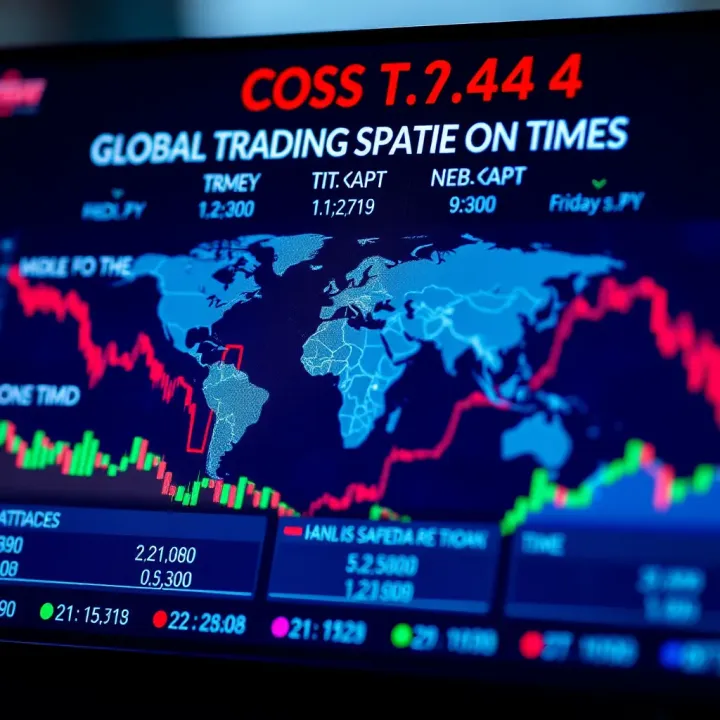
Indian Standard Time (IST) is 5 hours 30 minutes ahead of GMT, placing Indian traders in a distinct zone relative to these sessions. The Sydney session begins around 4:30 pm IST and runs till 1:30 am IST, while Tokyo’s session follows from 6 am to 3 pm IST. The London session runs from 12:30 pm to 9:30 pm IST, and New York’s session spans 5:30 pm to 2:30 am IST.
The overlap between the London and New York sessions from 5:30 pm to 9:30 pm IST is particularly important for Indian traders seeking high liquidity and volatility, as this window combines momentum from both Europe and North America.
Forex market liquidity peaks during session overlaps.
Indian traders should focus on timings that suit their risk appetite and trading style.
The quieter Sydney and Tokyo sessions may offer range-bound markets with fewer sudden moves.
In practice, an Indian trader might prefer trading the London-New York overlap for major pairs like EUR/USD and GBP/USD, aiming to capitalise on active market participation. Conversely, for currency pairs involving the Japanese yen or Australian dollar, timing trades during the Tokyo or Sydney sessions, respectively, can offer better price behaviour.
Understanding session timings helps Indian traders plan entry and exit points without being caught off guard by sudden market changes. By aligning trades with optimal hours, they can increase efficiency and potentially improve returns while managing exposure to volatility.
Understanding the forex market and its trading hours is vital for Indian traders seeking to optimise their strategies and timing. Forex trading connects currencies worldwide, with each market operating during specific hours influenced by local business times. Knowing when these markets open and close helps investors capture favourable price movements and avoid low liquidity periods.
The forex market is the world's largest financial market, with a daily turnover exceeding $6 trillion. It operates 24 hours on weekdays, allowing continuous currency trading across different global financial centres. Unlike stock markets, forex involves trading currency pairs such as USD/INR and EUR/USD, where profit comes from exchange rate fluctuations. Dealers, banks, corporations, and individual traders participate, making it highly liquid. For example, when the US economy reports employment data in the morning Indian time, traders expect increased USD volatility.
The forex market relies on four major trading sessions linked to key financial centres: Sydney, Tokyo, London, and New York. Each session represents business hours in its region. Due to different time zones, these markets overlap at certain times, which usually means higher liquidity and volatility. For instance, the London and New York sessions overlap from 6:30 pm to 10:30 pm IST, giving Indian traders prime opportunities to enter active markets. Conversely, trading during session gaps generally means thinner volumes, leading to wider spreads and less predictable price moves.
Indian Standard Time (IST) is 5 hours and 30 minutes ahead of GMT, placing India's trading hours uniquely across global sessions. The Tokyo session opens at 6:30 am IST and ends by 3:30 pm IST, aligning with Asian market activity. London’s session, opening at 1:30 pm IST and closing at 10:30 pm IST, covers European market hours. The New York session runs from 6:30 pm to 3:30 am IST, overlapping with London in the early evening. Indian traders should sync their trading hours considering IST to catch relevant market moves without confusion.
Matching your trading routine with global forex sessions based on IST helps you time entries, monitor liquidity, and manage risk better, making your forex trading more effective.
By keeping track of these session timings and understanding their influences, Indian traders can choose the best times to place orders for key currency pairs like USD/INR, EUR/INR, and GBP/INR, improving their prospects in the dynamic forex market.
Understanding the major forex trading sessions is vital for Indian traders because each session brings distinct market behaviours that affect volatility, liquidity, and trading opportunities. Knowing when these sessions open and close in Indian Standard Time (IST) helps you plan your trades better and manage risks effectively. For instance, the currency pairs dominated in the Asian session might behave very differently from those in the New York session, impacting your choice of trading hours.
Session timings in IST: The Tokyo session runs roughly from 6:30 am to 3:30 pm IST. This means Indian traders who prefer morning trading can catch early market moves when Asian markets are most active. Since this session opens soon after the Indian market wakes up, it is particularly relevant for those balancing Indian and international forex trades.
Currency pairs active in this session: The Tokyo session heavily focuses on pairs involving the Japanese yen, like USD/JPY and EUR/JPY, as well as other Asia-Pacific currencies such as the Australian dollar (AUD) and New Zealand dollar (NZD). For instance, if you’re trading USD/JPY during this time, expect decent liquidity and moderate volatility. The session may not be the most volatile compared to others, but it offers steady trends ideal for certain trading styles, especially swing trading.

Session timings in IST: London’s forex market opens at 1:30 pm IST and closes around 10:30 pm IST. This session overlaps with the latter half of the Tokyo session and later overlaps with the early New York session, creating crucial periods of activity.
Impact on market volatility: The London session tends to be one of the most volatile with higher liquidity. Its overlap with other sessions causes sharp price movements, which Indian traders can capitalise on. For example, major currency pairs like GBP/USD and EUR/USD see heightened action, providing good opportunities for day traders and scalpers who thrive on swings.
Session timings in IST: The New York session starts at 7:00 pm IST and runs till 4:00 am IST. This timing means Indian traders must be ready for night-time trading if they want to participate actively in this market.
Trading trends during this session: The New York session frequently sets the tone for daily trends as it coincides with big US economic data releases. Indian traders watching USD-based pairs like USD/CAD or USD/MXN find this session particularly decisive. Volatility picks up early in this session and sometimes extends into the overlap with the London session, creating valuable chances to enter or exit positions.
Knowing these sessions and their characteristics helps Indian traders choose the right times and currencies to trade, balancing their schedule with market activity for smarter decisions.
Forex session overlaps happen when the trading hours of two major global markets clash. For Indian traders, these overlaps are more than just timing coincidences — they can unlock crucial trading opportunities. Overlaps usually bring higher liquidity and more price movement, which experienced traders can use to their advantage.
The London and New York sessions overlap roughly between 7:30 pm and 12:30 am Indian Standard Time (IST). This time window is quite significant for Indian traders because it falls in the late evening and night, when many professionals have more flexibility. During this overlap, the biggest financial hubs – London and New York – are both active, which means more participants in the forex market.
This increased market participation translates to higher liquidity, so Indian traders see tighter spreads on major currency pairs like EUR/USD, GBP/USD, and USD/INR. The better liquidity lowers transaction costs and helps execute trades faster. At the same time, volatility rises, creating opportunities to capitalise on price swings. However, this also means risks increase, requiring traders to follow disciplined risk management.
Liquidity peaks during this overlap as banks, hedge funds, and large institutions operate simultaneously. This surge makes it easier to enter and exit trades without slippage. For instance, INR-related currency pairs often see better pricing and narrower spreads during these hours, benefitting Indian investors.
That said, volatility can rise sharply. Sudden news releases or macroeconomic data from the US or Europe usually hit the market during this time. For Indian traders, that means fast-moving price changes which can yield profits but can also cause sudden losses if unprepared. Using stop-loss orders and avoiding overleveraging helps manage this volatility.
The Tokyo and London sessions overlap between approximately 1:30 pm and 3:30 pm IST. This overlap is critical for currency pairs involving Asian and European markets, such as USD/JPY, EUR/JPY, and GBP/JPY. Activity during this period connects the Asian and European market movements, adding depth to price discovery.
This overlap often brings moderate volatility. Indian traders focusing on these pairs can spot trends early, as Tokyo market sentiments continue while London traders begin to jump in. For example, if the Bank of Japan announces policy changes in the morning, Indian traders might see trend continuation or reversal when the London session opens.
For Indian investors, the Tokyo-London overlap offers chances to trade on swing or position strategies, as price trends may develop more clearly than during isolated sessions. Since this overlap falls in the afternoon, those who trade from office or home find it easier to monitor markets in real-time.
Moreover, this period is less volatile than the London-New York overlap, making it suitable for traders cautious about risk but wanting to capture meaningful price actions. Selecting currency pairs active during this overlap can help diversify trading beyond the typical USD pairs, including yen-crosses relevant for hedging exposures.
Tip: Track forex session overlaps closely using trading platforms or apps that show market hours in IST. Align your trades with these overlaps to exploit liquidity peaks and timely price moves while managing risk thoughtfully.
By understanding forex session overlaps and timing trades accordingly, Indian traders can enhance their chances of success and better manage market dynamics.
Picking the right trading hours is key for Indian forex traders. The forex market never sleeps, but liquidity and volatility change a lot during the day. Choosing the best hours helps you catch good price movements and avoid periods when the market is slow or unpredictable. For instance, trading during major session overlaps can offer better trading conditions, while other times might be too quiet or risky.
Volatility indicates how much a currency pair’s price can change during a session. For example, the overlap between London and New York sessions generally brings high volatility, useful for traders looking to profit from price swings. Liquidity means how easy it is to execute trades without much price slippage. Higher liquidity, often seen during these overlaps, lowers transaction costs.
Besides market activity, your personal availability also matters. If you work standard office hours, late-night sessions like Tokyo may not suit you. So, balancing market conditions with your daily routine is important.
The right mix of volatility, liquidity, and your schedule can make or break your forex trading results.
Day trading involves opening and closing trades within the same day. It benefits most from volatile sessions like London-New York overlap (6:30 pm to 11:30 pm IST). During these hours, price moves are frequent and sizeable, giving day traders many chances to enter and exit trades quickly. For example, many traders prefer the first two hours of the overlap for spikes in activity.
Swing trading means holding positions for several days to weeks, focusing less on hourly price shifts. Swing traders can trade during broader hours, but they often avoid illiquid periods to prevent sudden gaps. Trading during the London session (2:30 pm to 11:30 pm IST) works well because of steady market activity. Since swing traders watch weekly trends, they monitor sessions mainly to check risk exposure and confirmation signals.
Scalping is about fast trades, sometimes lasting seconds to minutes. This style demands very high liquidity and low spreads. Sessions with overlap, especially London-New York and Tokyo-London overlaps, suit scalpers best. For Indian traders, the 6:30 pm to 9:30 pm IST window offers a good balance of volume and volatility with tighter spreads. Scalpers need to react instantly, so avoiding odd hours is vital.
Risk varies with session characteristics. High volatility often means potential for bigger profits but also bigger losses. For example, unexpected news during the New York session can create sharp price swings. Indian traders should adjust stop-loss orders and position sizes accordingly.
It's wise to monitor overnight risks if you hold positions beyond your active session, especially since liquidity tends to drop and spreads widen outside main sessions. Using alerts or automated exits can help minimise risk during thin market phases.
Effective risk management also involves awareness of session-specific behaviours. For example, the London session can trigger big moves early on, but it tends to calm down towards closing. Understanding this helps set realistic profit targets and stop losses.
Ultimately, matching your risk appetite with session volatility, liquidity, and timing habits improves your trading consistency and preserves capital.
Understanding forex session timings can greatly improve how you trade from India. The foreign exchange market is open 24 hours, but not all hours are created equal. Using practical strategies linked to session timings helps you seize better opportunities and manage risks effectively.
Technology is a trader’s best ally for tracking session timings. Mobile apps like MetaTrader 4 or 5, and platforms such as TradingView, offer real-time market clocks showing session openings in Indian Standard Time (IST). Setting alerts for major session starts, like London or New York, keeps you ready for sudden liquidity spikes.
For example, if you are particularly interested in trading GBP/INR or USD/INR pairs, having notifications when the London and New York sessions open can signal increased activity. Currency pairs tend to be more volatile then, giving you better entry and exit points. This tracking becomes even more valuable during session overlaps.
Indian traders often juggle forex trading alongside a day job or other commitments. Aligning your trading style with session timings makes this easier. For instance, if you are a day trader, focusing on the London-New York overlap (6:30 pm to 11:30 pm IST) exploits high liquidity without disrupting your day.
Swing traders might prefer to place positions during the quieter Asia-Tokyo session (5:30 am to 2:30 pm IST) and hold them through the more volatile periods. Scalpers, who require rapid trades, should monitor the sessions with the greatest activity and volume to avoid slippage and poor fills.
Planning also means factoring in Indian festivals or local holidays, when your attention might be divided, so you avoid entering trades during distracted hours.
Many traders fall into traps around session timings. A common oversight is ignoring the impact of daylight saving changes in Western countries. Since India does not observe DST, the effective timings of London or New York sessions shift by an hour twice a year. This alone can cause you to miss crucial sessions or trade during low activity hours.
Another mistake is trading sessions blindly without understanding their typical volatility. For example, opening trades during the Asian session when you want high movement from EUR/USD pairs may backfire since European and American currencies are less active then.
To avoid losses, always cross-check session times against IST regularly and match your strategy to the session’s character. Don't trade just because the market is open; trade when conditions suit your style and goals.
In short, practical use of technology, adapting your schedule to session rhythms, and sidestepping timing pitfalls can make your forex trading in India smarter, more precise, and ultimately more rewarding.
Explore RBI's forex trading rules 📊 for Indian traders 🇮🇳, learn approved transaction types, compliance tips, and how to trade legally on global markets 🌐.

📱 Explore RBI-authorized forex trading apps in India with insights on regulations, key features, and tips for safe, compliant currency trading. 💹🌐

Explore RBI-authorized forex trading platforms in India 🇮🇳. Learn about regulations, choosing the right platform, safety tips, and avoiding risks in forex trading 📊💱.

Explore RBI-approved forex trading apps in India 🇮🇳, learn about legal rules, must-have features, and tips to trade safely and confidently 💹.
Based on 7 reviews