
QXBroker.com Review for Indian Traders
Explore QXBroker.com’s features, account types, and trading tools tailored for Indian traders. Compare brokers and make smart investing choices 📈💼🇮🇳
Edited By
Henry Scott
Exporting opens doors for Indian businesses aiming to expand beyond domestic markets. Choosing the right export options can affect costs, delivery time, and regulatory compliance. Understanding the different modes and their implications helps businesses plan strategically and compete globally.
Indian exporters typically consider several key modes of export:
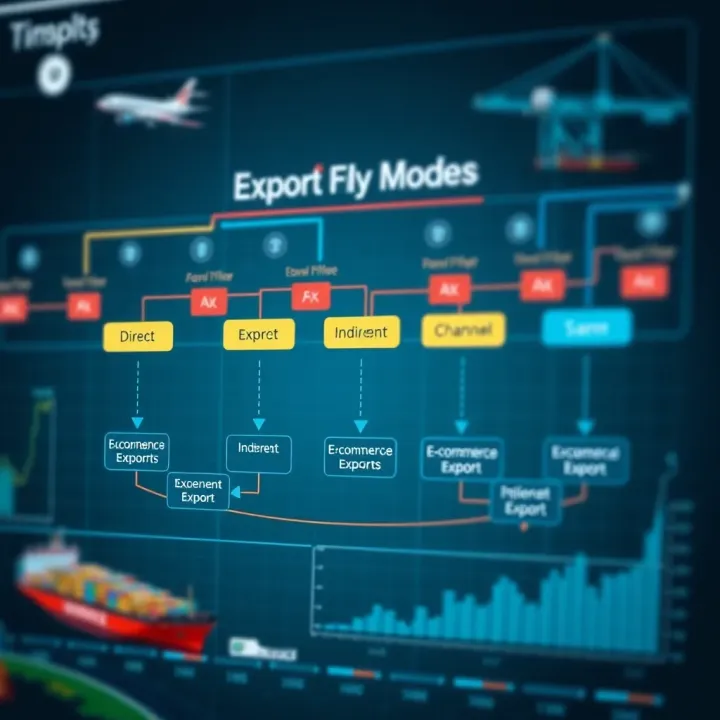
Direct Exporting: Selling products directly to foreign buyers or through overseas agents. This offers control over pricing and branding but needs deeper market knowledge.
Indirect Exporting: Using intermediaries like export houses or trading companies. This reduces risk and paperwork but cuts into profit margins.
E-commerce Platforms: Leveraging platforms such as Amazon Global or Flipkart Global to reach international consumers with lower logistics complexity.
Selecting an export mode depends on factors like product type, volume, target market, and the company’s export experience.
Beyond modes, complying with export regulations is non-negotiable. Indian exporters need to secure an Import Export Code (IEC) from the Directorate General of Foreign Trade (DGFT). Moreover, adherence to customs clearance, quality standards, and foreign trade policies safeguards seamless shipments.
Key export documents include:
Commercial Invoice
Packing List
Bill of Lading or Airway Bill
Certificate of Origin
Export Declaration
Payment methods vary too. Letters of Credit (LC) provide security to both buyers and exporters. For smaller or recurring shipments, Advance Payment, Documentary Collection, or Open Account methods are common.
For new exporters, partnering with export facilitation agencies or consulting Indian export promotion councils can provide valuable guidance and reduce costly errors.
In short, knowing the available export options and regulatory framework improves a company’s ability to navigate complexities, reduce delays, and increase profitability in international trade. The coming sections will detail these options along with practical tips and case insights relevant to Indian exporters.
Export methods significantly influence how Indian businesses connect with overseas buyers. Choosing the right method shapes your reach, control over sales, and overall risk exposure. Whether you sell directly, go through intermediaries, or export services, understanding these methods is vital for effective international trade.
Selling directly to foreign buyers means the Indian exporter establishes a direct link with overseas customers without middlemen. For example, a textile manufacturer in Tiruppur may directly deal with a retailer in Dubai. This direct contact allows better price control and clearer communication about product standards and delivery schedules.
Benefits and challenges go hand in hand in direct exports. The benefit is clear: you gain better profit margins by cutting out intermediaries and build strong customer relationships. However, this method demands significant effort in market research, compliance knowledge, and logistics management. It also means handling customs, payments, and after-sales support directly — areas that can be challenging for smaller enterprises without dedicated export departments.
Using intermediaries like export houses or agents provides a simpler route for businesses new to exports or lacking infrastructure. These intermediaries manage the entire export process — from finding buyers to handling documentation — on behalf of the exporter. For instance, a small handicraft unit in Rajasthan might use an export house in Mumbai to reach European markets.
When and why to choose this option usually depends on resources and experience. Indirect exports suit smaller firms with limited knowledge of foreign markets or funds to set up export operations. This path reduces risk and workload but often at the cost of lower profit margins and less control over marketing and customer feedback.
Exporting services versus goods entails different considerations. Services like IT consulting or financial advisory don’t involve physical shipment but require handling global compliance such as data protection rules and cross-border taxation. Unlike goods, service exports rely heavily on reputation and digital delivery channels.
Examples relevant to Indian exporters include the booming IT and software sector where firms like Infosys and TCS export services worldwide. Other examples are education services, where Indian universities attract students from Africa and the Middle East, and specialised consultancy in areas like Ayurveda or yoga instruction delivered online.
Selecting the appropriate export route depends on your business size, product in hand, and target market familiarity. Direct exports offer control, indirect exports ease, while service exports demand different operational expertise.
Direct exports: Greater control, higher effort
Indirect exports: Simplified process, lower returns
Service exports: Intangible products, compliance focus
Choosing wisely can boost your global footprint while managing risks effectively.
Export documentation and compliance form the backbone of any seamless export operation. Without proper paperwork, Indian exporters can face delays, legal hurdles, or even financial losses. Each document serves a specific role, ensuring transparency and trust between the exporter, importer, and regulatory bodies. For example, missing a Certificate of Origin while exporting handcrafted textiles to Europe could result in higher tariffs or shipment rejection.
The commercial invoice acts as a formal bill issued by the exporter to the buyer, detailing the goods, prices, payment terms, and other essential information. It’s crucial for customs to verify the transaction value and classify goods correctly. Meanwhile, the packing list complements this by itemising the shipment contents, package dimensions, and weights, helping customs and logistics teams handle and check the consignment accurately. For instance, exporters sending spices from Gujarat must provide accurate packing details to avoid confusion at ports.
These transport documents prove the contract of carriage between the exporter and the carrier. The Bill of Lading (B/L) applies for sea shipments while the Airway Bill (AWB) suits air freight. The B/L serves as a document of title, meaning the holder can claim the goods, whereas the AWB is non-negotiable but still essential for tracking and proof of shipment. Exporters of leather goods from Chennai typically rely on these documents to confirm shipment pickup and final delivery locations.
This certifies where the goods originated and can affect tariffs and trade agreements. For Indian exporters leveraging preferential trade deals, such as the South Asian Free Trade Area (SAFTA), the certificate helps reduce or waive customs duties in partner countries. Consider an exporter in Maharashtra sending engineering components to Sri Lanka; the certificate assures the buyer about product origin and eligibility for concessions.
Certain goods require an export licence issued by Indian authorities before shipment, especially restricted or controlled items like pharmaceuticals or defence equipment. The Director General of Foreign Trade (DGFT) typically handles these approvals. Exporters must check regulations early to avoid delays. For example, companies exporting Ayurvedic formulations abroad should verify if their products need licences under DGFT’s export control list.
DGFT regulates and promotes India’s foreign trade through policy implementation and licensing. It issues Exporter Identification Numbers (EINs), manages export licences, and formulates trade policies. Having DGFT approval is mandatory for most exporters, acting as a trust mark for international buyers. Firms regularly monitor DGFT notifications to stay compliant with changing export rules.
Customs clearance involves verifying export documentation, conducting physical inspections if required, and releasing goods for shipment. Indian Customs authorities check compliance with rules on forbidden goods, quality standards, and export duties. Efficient customs clearance reduces demurrage charges and shipment delays. Exporters often engage authorised clearing agents to handle these processes smoothly.
While India mostly encourages exports by not levying export duties, some items may attract tariffs or need special clearances. Additionally, destination countries impose import tariffs that Indian exporters should factor into pricing and competitiveness. For example, exporters of cotton yarn to the US must consider US customs duties and adjust their costs accordingly to safeguard profit margins.
Proper documentation and regulatory compliance not only ensure legal smoothness but also build confidence with buyers and customs, enabling Indian exporters to expand successfully in global markets.
Choosing appropriate payment terms and methods is a key step for Indian exporters. It impacts cash flow, risk management, and how smoothly transactions proceed. Exporters must balance securing prompt payments with offering terms attractive enough to win buyers in foreign markets.
Advance Payment is the safest approach for exporters since the buyer pays before shipment. This method suits when the exporter lacks trust in the foreign buyer or the market is new. For example, a small textile exporter from Surat might demand advance payment before dispatching goods, ensuring they avoid bad debts. However, buyers sometimes hesitate, especially if they haven't worked with the seller before.
Letter of Credit (LC) is widely used because it reduces risks for both parties. Issued by the buyer’s bank, the LC guarantees payment once the exporter meets all terms, such as submitting the correct documents. Indian exporters of engineering goods rely on LCs to get secure payment on time, especially when dealing with first-time overseas clients. Though this comes with bank charges and documentation effort, it strikes a good balance between security and flexibility.
Documents Against Payment (D/P) means the exporter ships goods and hands over shipping documents to the buyer’s bank. The buyer can only collect these documents (necessary to claim goods) after paying the amount due. This method provides some payment security but still exposes exporters to risk if buyers delay or default on payment. A spice exporter in Andhra Pradesh might choose D/P when dealing with trusted buyers in UAE to maintain cash flow without demanding upfront cash.
Open Account is the most buyer-friendly method, where goods are shipped before payment is made, usually within a credit period like 30 or 60 days. Indian IT service companies often operate on open account terms with US clients due to long-standing business relations. While it helps exporters remain competitive, it significantly raises the risk of delayed payments.
Conducting credit checks on overseas buyers helps exporters assess the likelihood of timely payment. Using agencies or local contacts, exporters can verify financial health and payment history. For instance, an Indian agro-product exporter dealing with new buyers in African markets can reduce surprises by checking references or credit reports beforehand.
Another tool is export credit insurance which covers losses if buyers default. Organisations like ECGC (Export Credit Guarantee Corporation of India) provide such insurance, allowing exporters to venture into new markets confidently. For example, a Mumbai-based electronics exporter acquiring ECGC cover safeguards receivables worth ₹1 crore, avoiding heavy losses if a buyer fails to pay.
Selecting the right payment terms involves balancing risk, cost, and customer trust. A smart choice reduces payment delays and secures cash flow for Indian businesses expanding overseas.
Selecting the right export option can be a turning point for any Indian business aiming to go global. The choice directly affects costs, market reach, regulatory compliance, and payment security. It's not just about shipping products overseas; it's about setting the stage for sustainable growth and risk management.
Different products need different approaches to reach overseas buyers effectively. For example, perishable goods like fresh mangoes or flowers require fast, direct exports to maintain quality, while non-perishable items such as handicrafts may do well through indirect exports using export houses. Market demand also matters; if demand is high and stable, businesses may prefer direct exporting to build a closer relationship with buyers. On the other hand, if demand is uncertain or niche, using intermediaries helps share risks and reduce upfront costs.
Smaller businesses with limited capital and export experience often find indirect exporting easier. They rely on agents or export houses who handle much of the paperwork and logistics, making the process less intimidating. In contrast, larger companies with dedicated export teams can manage direct exports efficiently, control branding, and negotiate better terms. For example, Tata Group’s large-scale exports of industrial goods benefit from direct exporting where they control the entire supply chain, ensuring quality and compliance.
Exporters must consider the regulatory environment of their intended markets. Some countries have strict import rules, safety standards, or certification requirements that dictate how products must be shipped and documented. Understanding these regulations beforehand helps decide between direct or indirect export methods. For instance, exporting pharmaceuticals to the European Union involves rigorous compliance checks, often handled better by well-established companies directly rather than relying on intermediaries.
A small textile manufacturer in Surat found exporting directly too costly and complex. By partnering with an export house in Mumbai, they managed to tap into markets in the Middle East smoothly. The export house handled customs clearances, documentation, and bulk shipping. This approach allowed the business to avoid heavy upfront investments while still growing its international footprint.
On the other hand, Infosys, the IT giant, exports software services globally by managing client relationships directly. Their direct export strategy helps maintain quality control, customise services for different markets, and build long-term contracts. This also reduces dependency on third parties and improves payment security. Such examples show how business scale and industry shape export strategies effectively.
Choosing the right export method is not just a technical decision but a strategic move that can define how sustainably your business grows in international markets. Take the time to assess your product, resources, and target market before committing.
Explore QXBroker.com’s features, account types, and trading tools tailored for Indian traders. Compare brokers and make smart investing choices 📈💼🇮🇳
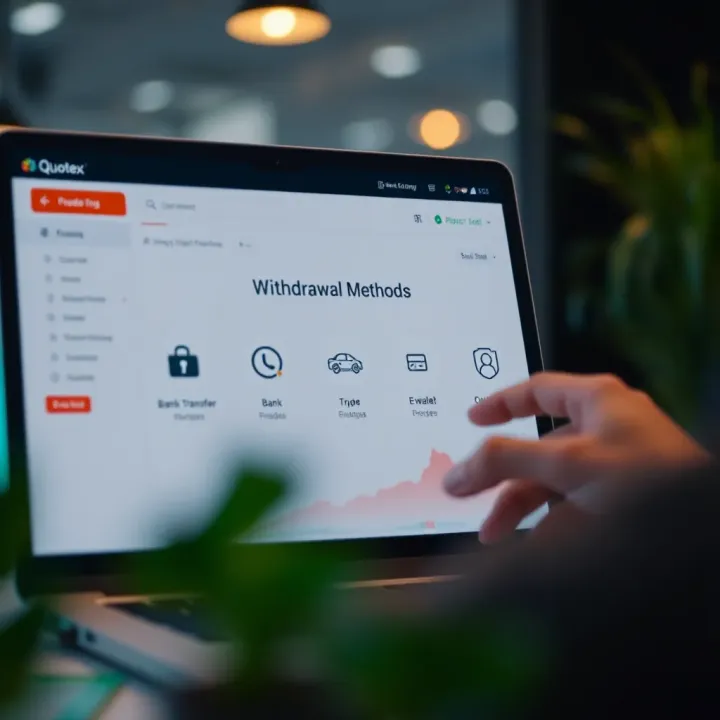
💰 Explore easy Quotex withdrawal methods with step-by-step guides, eligibility tips, fees & processing times to manage your funds smoothly and avoid common issues.
Explore demo forex accounts to practice currency trading risk-free 🇮🇳. Learn benefits, tips, key features & challenges for Indian traders aiming to boost confidence and skills.

🔍 Wondering if Forexdana is genuine or a scam? This review examines the platform's background, user feedback, regulations, trading features, and risks for Indian investors.
Based on 12 reviews