

Reliance's Market Share Outlook by 2030
Explore Reliance's growth, challenges, and future market share by 2030 in India 📈. See how tech & trends shape their industry lead 🔍.
Edited By
Ethan Bailey
Demo stock market platforms provide a simulated environment where you can practice trading without risking real money. These platforms mimic real stock exchanges, allowing beginners and seasoned traders alike to test strategies, understand market dynamics, and build confidence before stepping into live markets.
In India, where investment awareness is growing but risks are high, demo platforms serve a key role. They let you experiment with buying and selling shares, tracking price movements, and managing portfolios under conditions similar to the National Stock Exchange (NSE) or Bombay Stock Exchange (BSE).
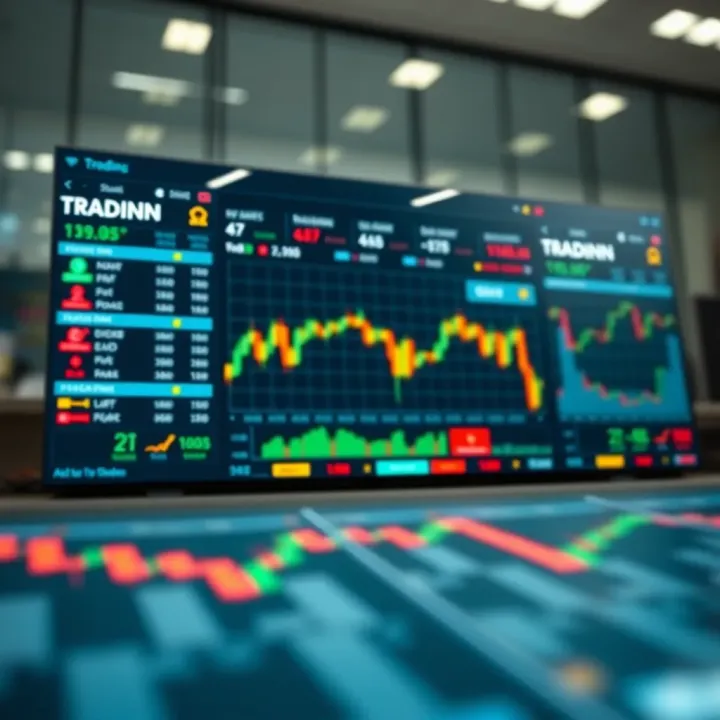
A typical demo platform offers virtual funds, say ₹10 lakh, for you to trade with. This lets you try out different approaches—like intraday trading or long-term investing—without worrying about losses hurting your pocket. It’s like having a practice pitch to fine-tune your game.
Using demo stock market platforms helps reduce initial trading mistakes and improves understanding of complex concepts like margin, leverage, and order types.
They provide real-time or slightly delayed market data so you see actual price movements.
You can place market, limit, or stop-loss orders, just like on actual trading apps.
Portfolio performance reports and trade history help you track your learning curve.
These features let investors grasp market emotions and decision-making under pressure, without fear of losing real capital. For instance, you might notice how rapidly prices swing during a corporate results season or how global events impact Indian indices.
While demo trading is an excellent learning tool, it cannot fully replicate live market psychology. The thrill and fear that come with risking your own ₹ can behaviourally alter trading decisions. Still, practising regularly on demo platforms like those from Zerodha Kite, Upstox Pro, or Angel Broking can sharpen your investment skills.
Ultimately, demo stock market platforms are a stepping stone for anyone aiming to trade or invest wisely in Indian markets. They help decode market mechanisms practically, preparing you for real-life investing challenges.
Demo stock market platforms serve as a practical stepping stone for new and even experienced traders who want to sharpen their skills without risking real money. These platforms simulate actual market conditions, allowing users to familiarize themselves with trading procedures, market orders, and various financial instruments in a risk-free environment. For a first-time investor in India, demo trading provides a hands-on view of how the market functions daily, offering valuable experience before committing hard-earned funds.
A demo stock market account is essentially a practice account loaded with virtual money, designed to mimic real market trading. It allows users to buy and sell stocks, shares, and derivatives without actual financial risk. The purpose is to help traders understand the market mechanism, test different strategies, and get used to trading platforms before trading live with real capital.
Different types of demo accounts cater to varied market segments. For instance, some provide simulated equity trading, focusing on shares of companies listed on exchanges like the NSE (National Stock Exchange) and BSE (Bombay Stock Exchange). Others allow trading in derivatives such as futures and options, popular among Indian traders for hedging or speculation. This variety helps traders choose a demo account aligned with their investment goals or trading interests.
Learning without financial risk: Demo trading acts as a safety net for beginners. It gives them the liberty to experiment with trades and understand market dynamics without the fear of losing money. For example, a newbie can try buying shares of companies like Reliance Industries or TCS on these platforms and observe how prices fluctuate without any actual financial consequence.
Understanding market orders and trading tools: Demo platforms familiarize users with placing different types of market orders such as market, limit, and stop-loss. They also expose traders to various tools like charts, technical indicators, and lookup for company financials. This exposure is particularly useful in India, where many brokers offer complex tools that new investors might find overwhelming initially.
Building confidence before investing real money: Confidence plays a vital role in trading success. Demo trading helps beginners gain that by letting them execute and assess their decisions in a real-time market setup. For example, practising order placements during volatile periods like a budget announcement or quarterly results release can prepare them better for live markets.
Using demo stock market platforms is like learning to drive in a simulator before hitting busy city roads — it builds your skills, reduces mistakes, and improves decision-making when it really counts.
This introduction explains the foundation for deeper insights on how demo platforms function and why they remain an integral tool in the Indian trading ecosystem.
Demo stock market platforms come packed with important features that help traders and investors get a real feel of the market without risking actual money. These key features bridge the gap between theory and practice, letting you test strategies, understand order execution, and use market tools much like a real trading environment.
One of the most critical features is the provision of virtual funds. Demo accounts usually offer a decent amount of virtual capital — typically ranging from ₹1 lakh to ₹10 lakh or more. This virtual cash allows you to place trades just as you would with real money, making it easy to experiment with different positions and asset classes. For example, if you want to try your hand at trading Nifty futures or stocks like Reliance Industries, you can do so without risk, observing how different investments perform under varying market conditions.
Besides the amount of virtual funds, the timeliness of market data plays a vital role in demo trading. Some platforms provide real-time market data, which closely mimics live trading environments, while others operate on delayed data, typically 15-20 minutes behind real time. Real-time data lets you react to price moves and market events promptly, sharpening your decision-making. However, delayed data might miss sudden price jumps, making the experience less realistic but still useful for understanding trend patterns and practicing order entries.
Quality demo platforms offer comprehensive market charts and technical indicators. These features let you apply tools such as moving averages, Relative Strength Index (RSI), and Bollinger Bands to study price trends and momentum. For example, analysing SBI’s stock through candlestick charts combined with RSI can guide buying or selling decisions within the demo account, teaching you how technical analysis works in practice.
Along with charts, up-to-date news feeds and financial report summaries are often integrated within demo platforms. Staying aware of corporate announcements, quarterly results, or macroeconomic developments is crucial even in simulated trading. It helps you understand how news impacts market sentiment. Suppose the Reserve Bank of India announces a rate cut; observing how market prices respond in your demo account can build your reaction skills for live markets.
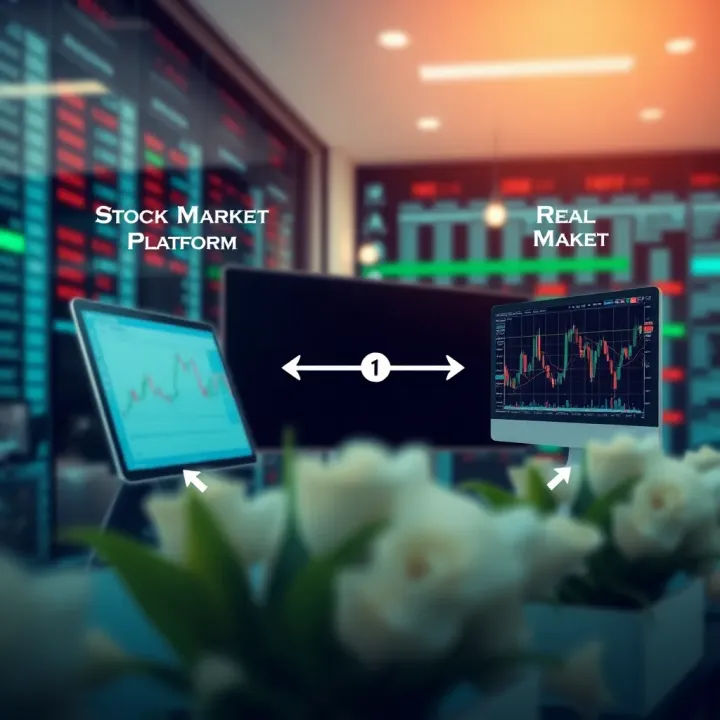
Demo platforms allow you to practise placing different types of orders such as market, limit, and stop-loss orders. Market orders execute immediately at the current price – ideal when you want to enter or exit fast. Limit orders let you specify a price, ensuring that you don’t buy or sell above or below your preferred rate. Stop-loss orders protect your investment by automatically selling when prices hit a set level, limiting losses in volatile markets.
Lastly, understanding execution nuances like slippage and transaction costs is part of effective trading. Real markets often have slippage, where you might get a slightly different price than expected due to liquidity or speed issues. Some demo platforms include simulation of these effects, but not all. Being aware that slippage and brokerage fees impact profits helps you prepare for real trading situations and practice realistic risk management.
Practising on a demo platform with these key features equips you better for live trading, reducing surprises and building practical knowledge before committing money.
By focusing on these features when choosing a demo account, you set yourself up for a more productive learning experience, gaining familiarity with market dynamics and trading tools that professionals use daily.
Demo accounts serve as a practical ground to hone your stock market skills without risking real money. To get the best out of such platforms, you need a clear approach that includes realistic goal-setting, strategy practice, and performance tracking. Treat your demo trading seriously—as you would real trading—to build strong habits and insights.
Creating trading plans is fundamental. Just like in a real market, plan your trades with entry and exit points, stop-loss levels, and profit targets. Suppose you aim to practice day trading, then define how many trades you want to attempt daily and what percentage of virtual capital you’re willing to risk. This discipline helps you avoid impulsive decisions and allows you to test your strategy in varied market conditions.
Risk management practice is equally important. Demo accounts let you experiment with position sizing and stop-loss orders to guard against big losses. For example, if you allocate 2% of virtual capital to one trade, observe how this affects your portfolio over many trades. Practising risk management in a risk-free environment creates muscle memory that’s critical when you switch to real money trading.
Technical trading techniques can be tested extensively on demo platforms. You can check how moving averages, RSI (Relative Strength Index), or Bollinger Bands guide your buy and sell decisions without losing actual money. For instance, experiment with a simple strategy like buying when the 50-day moving average crosses the 200-day moving average. This hands-on approach sharpens your ability to read charts.
On the other hand, long-term investment approaches like value investing or dividend strategies also benefit from demo accounts. Use the platform to understand how holding stocks over months or quarters impacts your virtual portfolio. This experience familiarises you with portfolio diversification and helps gauge patience—a key trait for long-term success.
Record keeping and journaling trades is a habit worth cultivating early. Maintain notes on why you took certain trades, your thought process, and emotional state during trades. This practice reveals patterns in your decision-making and highlights areas needing improvement.
Analysing outcomes for improvement deepens your learning. Review your journal regularly to spot repeated errors—like exiting trades too early—or successful strategies that performed well. Such analysis provides practical lessons that improve your trading discipline and strategy adaptation over time.
Consistent use of demo accounts with clear goals, strategy testing, and performance tracking can significantly shorten your learning curve and equip you better for real market challenges.
Using demo accounts effectively requires treating them as real, disciplined training grounds. This approach not only sharpens your trading skills but also builds the confidence and habits needed for actual investing success.
Demo stock trading platforms help new investors learn without risking real money. However, they have limitations that traders should keep in mind before moving to live markets.
Psychology of risk-taking with virtual money: When trading with virtual funds, the emotional pressure is very different from trading with actual money. The risk feels less real, so people often take bolder trades or ignore stop-loss rules. For instance, someone might hold on to a losing demo trade longer simply because there’s no actual loss involved, but in real trading, the fear of losing ₹10,000 would likely cause an earlier exit.
Behavioural differences in real trading: Real money introduces stress, excitement, and fear that affect decision-making. Even experienced traders can behave differently under pressure, sometimes making impulsive moves or freezing during sudden market swings. Demo platforms cannot replicate this psychological intensity, so practicing decision-making under emotional stress becomes challenging. Knowing this difference is key for investors to prepare mentally before starting live trading.
Delayed data or absence of slippage effects: Most demo platforms use delayed or simulated market data. This means your orders may get filled instantly at the current price without actual market demand or supply impact. In real scenarios, especially during volatile periods, orders might execute at a different price due to slippage. For example, a limit order to buy at ₹1500 might get filled at ₹1502 during fast market moves, but a demo account won't usually show such differences, which affects trading accuracy.
Limited access to liquidity and volatility: Real markets have fluctuating liquidity levels and volatility influenced by large trades, news, and investor sentiment. Demo platforms often lack these dynamic conditions. This can hide important challenges like partial order fills, price gaps, or sudden sharp moves which traders face in real markets. Without exposure to these, learners might be unprepared for navigating real market conditions where timing and order size matter a lot.
Understanding these limitations helps investors use demo accounts as educational tools rather than precise replicas of live trading. It’s wise to combine demo practice with gradual exposure to real markets, starting with small investments to build experience under actual conditions.
Demo trading platforms offer a hands-on way for Indian investors to develop skills without risking actual money. They simulate real market conditions, helping users practise strategies and understand trading mechanics before entering live markets. Choosing a platform that aligns with your needs and familiarity with Indian market nuances makes learning efficient and relevant.
Zerodha Kite mock trading
Zerodha, one of India's largest discount brokers, provides the Kite mock trading platform to give users a real-like practice environment. This platform replicates live market prices and lets traders experiment with market, limit, and stop-loss orders using virtual funds. It's especially useful for beginners who want to familiarise themselves with the NSE and BSE securities, spotting price trends, and executing orders without financial risk.
The strength of Zerodha Kite's demo lies in its seamless integration with the live trading environment and user-friendly interface. Traders can try various strategies in equity, derivatives, and currency segments within the same interface they would use for actual trading. This makes the transition smoother when they open real accounts.
Upstox Pro Demo
Upstox, known for its intuitive trading platform, offers a Pro Demo account tailored for Indian investors. This tool allows users to handle virtual money and access live market feeds to test their trading ideas. The platform supports advanced charting features and multiple order types, making it ideal for investors keen on technical analysis.
What sets Upstox Pro apart is its focus on speed and mobile-friendliness. Many traders in tier-2 and tier-3 cities who rely on mobile-first platforms find Upstox Pro Demo handy for practising intraday trades and understanding volatility in Indian markets.
ICICI Direct Virtual Trading
ICICI Direct's virtual trading platform stands out for integrating research reports, analyst recommendations, and fundamental data, alongside trading simulation. Indian investors who value detailed company insights alongside trade execution find this offering particularly valuable.
Though its interface may feel slightly complex to freshers, the ICICI Direct virtual platform bridges the gap between theoretical knowledge and hands-on trading. Users can simulate investments across equities, derivatives, and mutual funds, mimicking real-world portfolio management.
TradingView Paper Trading
TradingView's paper trading platform is popular worldwide, offering an advanced charting and scripting environment. For Indian investors, it supports NSE and BSE data, letting users test algorithmic strategies via its Pine Script feature.
The platform is cloud-based and accessible via browsers and mobile, helping traders assess technical setups in a risk-free way. Its social features encourage sharing ideas and learning from others, which adds a collaborative edge to individual practice.
MarketWatch Virtual Stock Exchange
MarketWatch Virtual Stock Exchange provides a game-like simulation of stock market investing, where users participate in contests or create custom trading games. Though US-centric, many Indian investors use it to practise trading psychology and portfolio management skills.
The virtual exchange allows for trading a wide range of stocks and ETFs and tracks portfolio performance with realistic pricing. It appeals especially to learners who prefer an engaging, competitive environment over traditional single-user demos.
Selecting the right demo platform depends on your learning goals and preferred trading style. Broker-provided accounts like Zerodha Kite and Upstox Pro offer platforms close to real trading, while independent simulators like TradingView provide advanced tools for technical strategy development.
This balanced approach helps investors practise with tools tailored to the Indian context, improving readiness for live market challenges.
Moving from a demo stock market account to trading with real money is a pivotal step for any investor. While demo platforms provide a safe space to learn and experiment, real trading brings in actual risks and emotions that influence decision-making. Successfully transitioning means preparing practically with knowledge of the account-opening process, understanding broker choices, and applying lessons from practice trading to manage risks effectively.
Opening a real trading account in India requires completing the Know Your Customer (KYC) process. This is mandatory as per Securities and Exchange Board of India (SEBI) regulations to verify your identity and address. Typically, you will need documents like Aadhaar card, PAN card, bank statement or passbook, and a passport-sized photograph. Many brokers offer online KYC now, making it quicker to submit and verify documents.
KYC verification protects against fraud and ensures compliance, which makes it a vital step before you can start trading. For example, Zerodha and Upstox both provide seamless KYC onboarding experience through the Digilocker or video verification, allowing you to set up your account with minimal hassle.
Selecting a broker is a critical decision, influencing your trading costs, platform features, and customer support. Factors to consider include brokerage charges, ease of the trading platform, access to research tools, margin facilities, and customer service quality.
For instance, if you are someone who prefers user-friendly mobile apps, Zerodha’s Kite and Upstox Pro apps are often recommended. On the other hand, if you value personalised advisory and extensive market reports, ICICI Direct’s platform might suit you better. Evaluating these aspects based on your style and needs helps make the transition smoother and sets you up for success.
In real trading, managing emotions becomes far more challenging because actual money is at stake. Demo trading does not trigger the fear or greed that influence decisions under pressure. Applying risk management techniques you practiced in demo trading helps keep your losses in check.
For example, you may have tried setting stop-loss orders on demo platforms; implementing these strictly in live markets protects capital when prices move unfavourably. Staying disciplined despite market swings and avoiding impulsive trades are vital lessons to carry over.
Learning to stay calm and stick to your plan is often what separates successful traders from those who burn out quickly.
Jumping in with large capital right after demo trading often leads to mistakes driven by overconfidence or panic. Instead, start small with amounts you are comfortable risking. Over time, as you gain confidence and learn from real market behaviour, increase your investment size gradually.
This phased approach allows you to adjust to real market conditions, handle volatility, and build a track record without risking too much too soon. For instance, you might begin with ₹10,000 to ₹20,000 and scale up as your understanding and confidence grow.
Transitioning effectively demands combining the practical aspects of account setup, broker selection, and steady application of demo-learned skills. This ensures you move into real trading with better preparedness and a structured approach to investment.
Explore Reliance's growth, challenges, and future market share by 2030 in India 📈. See how tech & trends shape their industry lead 🔍.

Explore QXBroker.com demo account features 🎯 Learn how Indian traders can test strategies, practice safely, and get comfortable with the market before trading live 🚀

📊 Get a detailed forecast of Reliance Industries Limited (RIL) target price by 2025. Understand factors, risks, and strategies for mid-term investment gains.

📈 Learn how to use Quotex login demo step-by-step! Practice trading risk-free, master strategies & avoid beginner mistakes with our practical guide. 💡
Based on 14 reviews